Recognize Warning Signs Before a Heart Attack Today
Body Warnings Before a Heart Attack
Heart attacks are one of the leading causes of death globally, making it crucial for individuals to recognize early warning signs. Understanding what these signs are can significantly impact outcomes, potentially saving lives. It’s essential to be aware of how the body signals heart distress and what you can do about it.
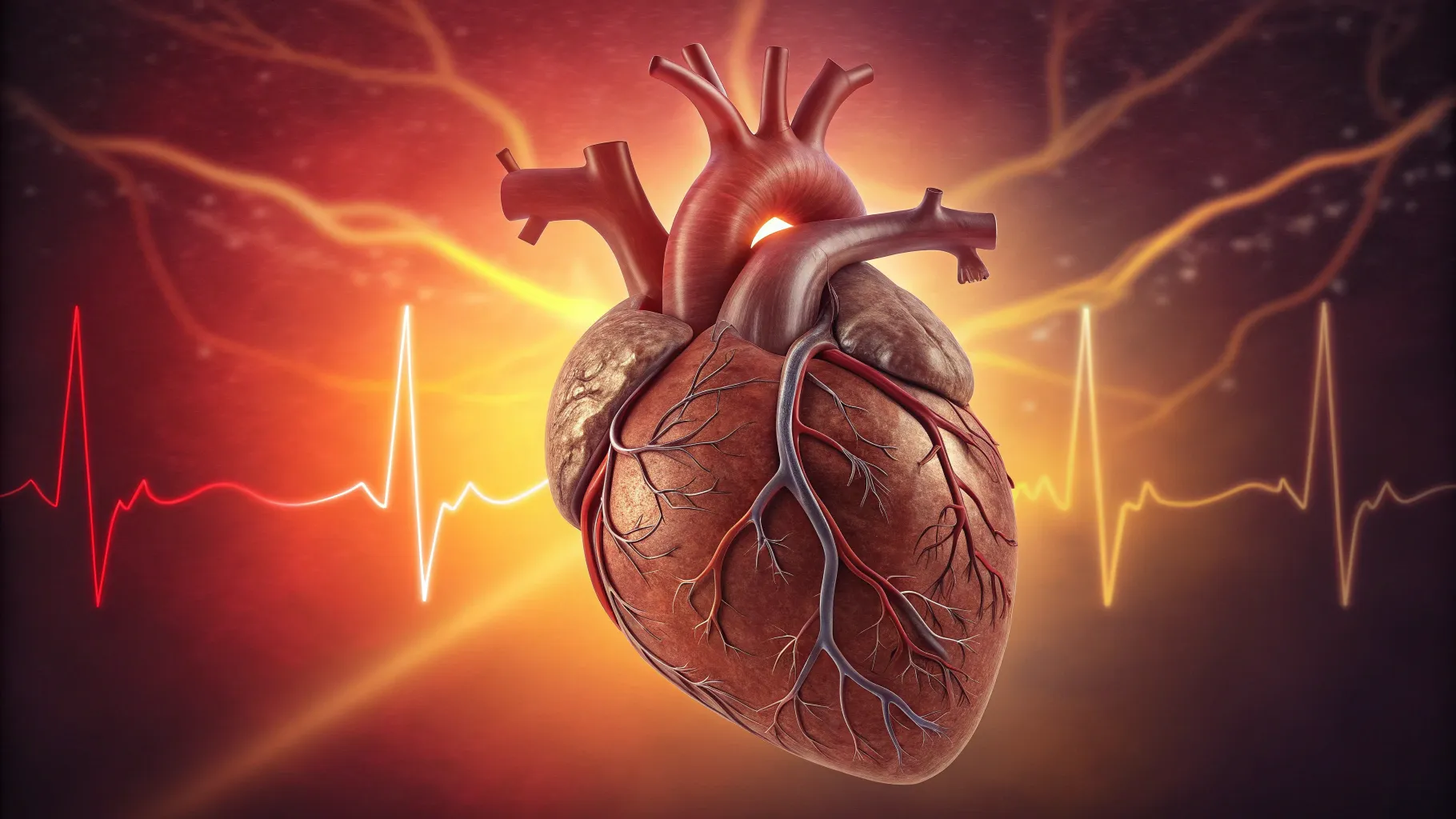
What Are Early Signs of Heart Attack?
When it comes to heart health, the adage "better safe than sorry" rings particularly true. The early signs of a heart attack can vary significantly, and not everyone experiences the classic chest pain associated with this serious medical event. In fact, statistics show that about 50% of heart attack victims do not experience any obvious symptoms beforehand.
Some common early indicators include:
- Chest Discomfort: Often described as pressure, squeezing, fullness, or pain in the center or left side of the chest that lasts for more than a few minutes or goes away and comes back.
- Shortness of Breath: This may occur with or without chest discomfort and can happen during rest or exertion.
- Fatigue: Unusual fatigue that is prolonged and doesn’t seem to link with any activities may signal heart problems.
- Radiating Pain: Pain or discomfort can spread to the shoulders, neck, arms, back, teeth, or jaw.
Why Chest Pain Shouldn't Be Ignored
Many people associate chest pain with a heart attack, believing only those with severe symptoms are at risk. However, the reality is that heart events can manifest in less dramatic fashion. According to a 2023 study, about 40% of heart attack patients presented with mild discomfort rather than severe pain.
Ignoring chest pain or brushing it off as indigestion can have dire consequences. Many heart attacks start slowly with mild pain or discomfort that intensifies over time. Thus, if you experience this symptom, seek medical attention immediately. Early intervention can lead to better outcomes.
Can Fatigue Be a Sign of Heart Problems?
Fatigue is an often-overlooked sign of heart problems. In 2025, numerous health professionals emphasize the importance of recognizing fatigue as a potential symptom. Many patients report experiencing unexplained tiredness weeks before their heart attack.
This is not simply feeling tired after a hectic day; rather, it's a persistent exhaustion that cannot be alleviated by rest. In fact, a recent survey indicated that nearly 70% of those who survived heart attacks reported significant fatigue in the days leading up to their events. This form of fatigue can be due to the heart being unable to adequately supply oxygen to the body, signaling distress.
How the Body Signals Heart Distress
The human body often sends signals that something is not right long before a major health event. Recognizing these signs can be life-saving. Other indicators might include:
- Cold Sweat: Breaking out in a cold sweat without obvious cause can indicate impending heart issues.
- Nausea or Vomiting: Some individuals may experience gastrointestinal issues alongside heart problems, often mistaking them for stomach bugs.
- Anxiety: Many individuals report feeling an overwhelming sense of anxiety or impending doom prior to a heart attack, a psychological manifestation of distress.
It's important to note that these signals vary widely among individuals, especially between men and women. While men often experience traditional symptoms like chest pain, women may display atypical symptoms such as fatigue or nausea.
How to Recognize Silent Heart Symptoms
Not everyone experiences a heart attack the same way. In fact, some heart attacks can occur without any obvious symptoms, which is referred to as a "silent heart attack." Understanding the silent symptoms can be pivotal given that about 1 in 10 heart attacks are silent, with victims often unaware they had a heart event until they later experience severe complications.
In detecting silent heart symptoms, consider the following:
- Subtle Chest Discomfort: This may go unnoticed as chest pain or discomfort since it may not escalate to severe levels.
- Minor Physical Symptoms: Like persistent fatigue, shortness of breath during minimal exertion, or mild anxiety. Consider these especially if they last several days or weeks.
- Routine Screening: Regular check-ups and screenings, especially if you have risk factors such as a family history of heart disease, can help identify underlying issues.
Early Detection is Key
In 2025, awareness surrounding heart health is more critical than ever, especially with rising rates of heart disease fueled by an increase in sedentary lifestyles and unhealthy eating habits. Being proactive about your heart health can lead to earlier interventions, which are proven to reduce the likelihood of severe consequences or death from heart attacks.
Listen to your body. If you're experiencing any of the signs discussed, don’t hesitate to contact a healthcare professional. Knowing how the body signals heart distress is paramount in preventing heart attacks, allowing individuals to seek help and receive necessary treatment before it's too late.
Stay educated, stay alert, and prioritize your heart health. It might just save your life, or the life of someone you love.
Authored by FreshLifeWire team