Recognize Important Signs of Breast Cancer Early Detection
How to Recognize the Important Signs of Breast Cancer
Breast cancer continues to be a serious health concern, impacting millions of women and a growing number of men around the world every year. As of early 2025, the statistics are shocking yet enlightening; approximately 1 in 8 women will be diagnosed with breast cancer in their lifetime. Early detection plays a crucial role in improving survival rates. This article aims to provide essential information on recognizing the important signs of breast cancer, such as breast lumps, nipple changes, and skin dimpling. Let’s dive into the details.
Understanding Breast Cancer Signs
At the forefront of breast cancer signs are breast lumps. Not all lumps are cancerous, but any new lump or mass in the breast should be examined by a healthcare professional. The lumps often feel different from the surrounding tissue, and they may be firm and immovable, or they may have a softer, fluid-filled quality. According to data from the past year, nearly 80% of breast cancer cases were identified by women who noticed changes or irregularities during their regular self-exams.
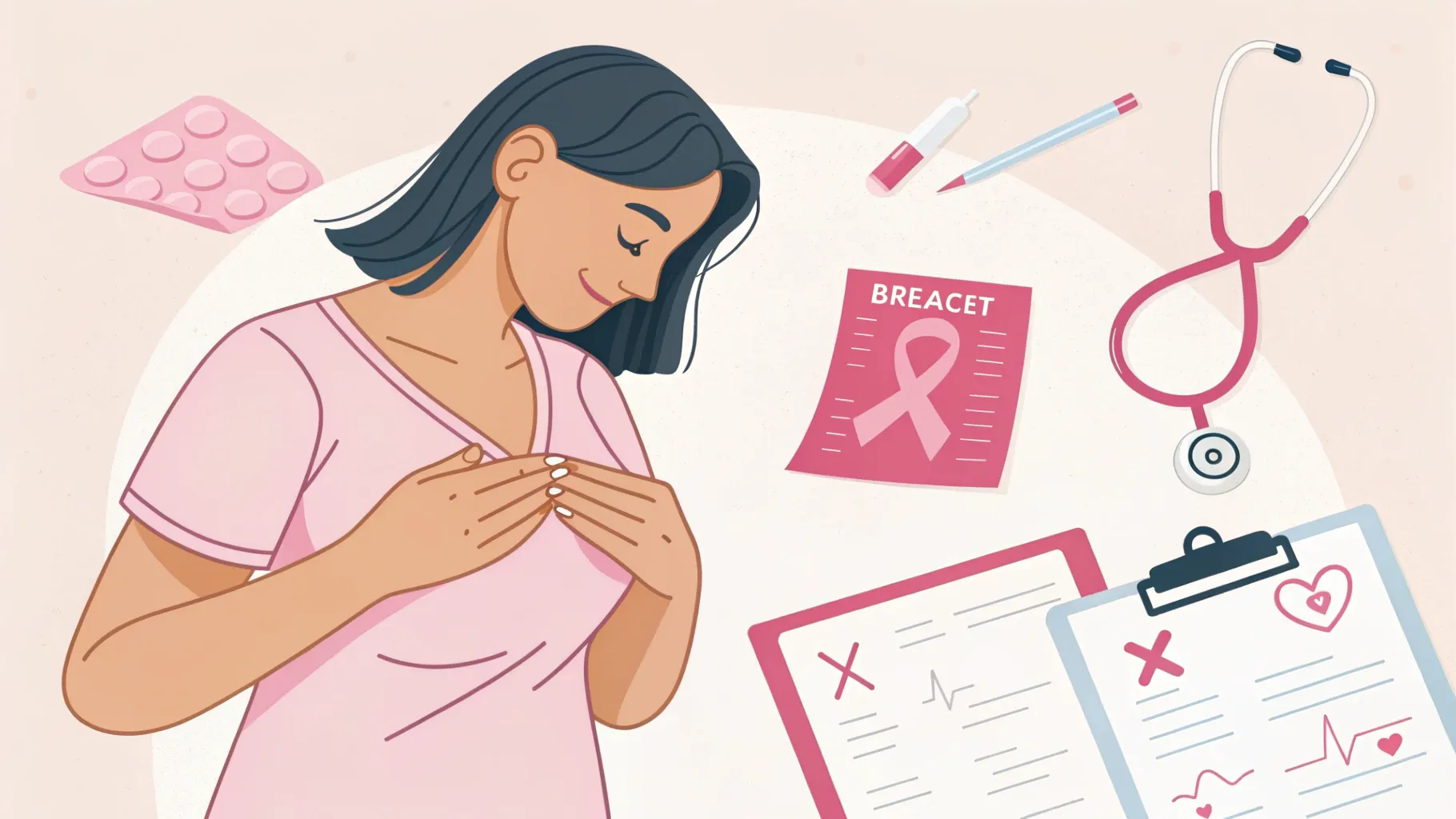
It's essential to conduct monthly breast examinations, as familiarity with one’s own breast tissue can make it easier to spot unusual changes. When examining your breasts, look for:
- New lumps or hard areas
- Changes in the size or shape of your breast
- Unusual swelling or thickening
- Pain or tenderness in a specific area
Beyond Lumps: Other Warning Signs
While breast lumps are an important indicator, they're not the only sign of breast cancer. Other symptoms can manifest in various forms, often depending on the individual. Observing any changes in the nipple area is critical. This might include:
- Nipple discharge: Any fluid that leaks from the nipple, particularly if it's bloody or occurs with no physical manipulation, should be evaluated immediately.
- Changes in the nipple: A nipple that becomes inverted, or changes in color or texture, can signal an underlying concern.
- Skin dimpling or irritation: If the skin on your breasts becomes dimpled, puckered, or inflamed, it can indicate a more serious issue.
Moreover, breast pain is often misinterpreted, leading many to feel reassured. However, persistent or significant pain in one area of the breast deserves medical investigation. This is especially true if the discomfort is not related to menstrual cycles or other identifiable causes.
The Importance of Early Detection
According to recent studies, early detection of breast cancer significantly increases the chances of successful treatment. Mammograms, which can detect tumors before they can be felt, should be a regular part of your healthcare routine. Current guidelines recommend that women begin annual mammograms at age 40, and earlier if they are at high risk due to family history or genetic factors.
Healthcare professionals advise not ignoring recommendations for clinical breast exams either. A professional examination, typically done during annual check-ups, can uncover issues that may go unnoticed in self-exams or mammograms. Many cancer centers and organizations emphasize the importance of familiarizing oneself with the process of both self-examination and the clinical exam to increase awareness of breast health.
Statistics show that early-stage breast cancer has a 99% survival rate when detected early compared to advanced stages. It’s critical for individuals to understand their own bodies and recognize the significance of these signals.
Consider, for instance, a case from a local oncology center. A patient named Sarah, who diligently performed her monthly breast exams, discovered a small lump one morning. She immediately scheduled a visit with her doctor. Thanks to her proactive approach, the cancer was detected in its early stages, leading to successful treatment. Sarah's experience demonstrates the power of awareness and knowledge. By staying informed and vigilant, you too can empower yourself against breast cancer.
Raising Awareness
Raising awareness about breast cancer can be as simple as sharing knowledge with family and friends. Emotional support from loved ones is an often-overlooked aspect of overcoming breast cancer. Community events, such as breast cancer walks or educational seminars, give you the chance to connect, share experiences, and advocate for better resources in breast health. Even recent campaigns and social media movements have fueled awareness towards early detection, encouraging individuals to look out for their own breast health and keep these important checks on their health calendar.
The challenges of breast cancer are substantial, but understanding the signs and symptoms remains a powerful tool in combating this disease. Informing yourself and others can lead to better outcomes for many affected by this illness.
In 2025, continuing efforts for awareness, education, and early diagnosis are paramount. By paying close attention to changes in your body and seeking medical attention for any notable symptoms, you contribute to a broader culture of breast health.
Remember, prevention is better than cure. Staying updated on breast cancer signs and conducting regular screenings are crucial in the fight against this pervasive disease. Together, we can foster a future where breast cancer is caught earlier and treated more effectively, ultimately saving lives.
Authored by FreshLifeWire team