Recognize Iron Deficiency Symptoms for Better Health
Understanding Iron Deficiency Symptoms
Iron deficiency is one of the most common nutritional deficiencies affecting millions of people worldwide. It can lead to serious health complications if not addressed. In 2025, we continue to see a prevalence of symptoms ranging from mild to severe that can significantly impact daily life and overall well-being. Recognizing iron deficiency symptoms is crucial for timely diagnosis and management. In this article, we will explore the various signs and symptoms that indicate a lack of iron in the body and how this condition can affect individuals from different walks of life.
Common Symptoms of Iron Deficiency
The human body requires iron for various crucial functions, chiefly to produce hemoglobin, the protein in red blood cells that carries oxygen. When iron levels drop, several telling symptoms can arise. Here are some of the most common:
- Fatigue: One of the earliest and most noticeable symptoms is persistent fatigue. This occurs because the body lacks sufficient red blood cells to transport oxygen effectively, leading to low energy levels.
- Pale Skin: The skin may appear unusually pale, particularly in individuals with fair complexions. A lack of hemoglobin can cause the blood to lose its rosy hue.
- Shortness of Breath: People may find themselves easily winded during everyday activities, such as climbing stairs or walking.
- Heart Palpitations: An irregular heartbeat or feeling as though your heart is racing can occur. This happens as the heart works harder to pump oxygen-rich blood throughout the body.
- Cold Hands and Feet: Insufficient iron levels can lead to poor circulation, making extremities feel cold or numb.
- Restless Legs: A constant urge to move the legs, particularly at night, can be linked to iron deficiency.
- Headaches and Dizziness: Chronic headaches and a feeling of lightheadedness can occur due to inadequate oxygen supply to the brain.
Statistics from early 2025 indicate that nearly 25% of the world’s population is affected by iron deficiency, with women and children being particularly vulnerable. This data underscores the importance of recognizing these symptoms early.
The Impact of Iron Deficiency on Daily Life
Living with iron deficiency symptoms can be incredibly challenging. Individuals often report how their daily activities become impacted—simple tasks like shopping, exercising, or even socializing can feel overwhelming. For instance, many working adults cite fatigue as a reason for decreased productivity. According to a recent survey conducted by health organizations in early 2025, more than 70% of individuals experiencing iron deficiency reported needing to take breaks more frequently at work.
Moreover, iron deficiency can have significant implications for mental health. People with low iron levels can experience mood swings, irritability, and even symptoms resembling anxiety or depression. This relationship is largely due to the essential role that iron plays in neuron function and neurotransmitter regulation. In fact, case studies from the last six months show that after increasing their iron intake, many individuals noted improvements in mood and cognitive function.
Who is at Risk of Iron Deficiency?
Understanding who is most at risk for developing iron deficiency is vital in combating this issue. Certain groups are more susceptible:
- Women: Menstruating women lose blood monthly, which can deplete iron levels, especially if they have heavy periods.
- Pregnant and Nursing Women: Increased iron demands for fetal development and breastfeeding can put women at higher risk for deficiency if their diets do not compensate accordingly.
- Children and Adolescents: Rapid growth during childhood and adolescence necessitates higher iron intake, making these groups more vulnerable.
- Individuals with Certain Health Conditions: Those with gastrointestinal disorders (like celiac disease or inflammatory bowel disease) may have trouble absorbing iron adequately.
Recognizing these high-risk groups helps healthcare professionals educate and promote dietary adjustments or supplementation to prevent iron deficiency.
Diagnosing Iron Deficiency
If you suspect that you or someone you know is experiencing iron deficiency symptoms, it is essential to seek medical advice. Healthcare providers typically conduct a blood test to measure levels of hemoglobin and ferritin, which indicates iron stores in the body. Recent advancements in screening have made it easier than ever to identify iron deficiency at an early stage, allowing for prompt intervention.
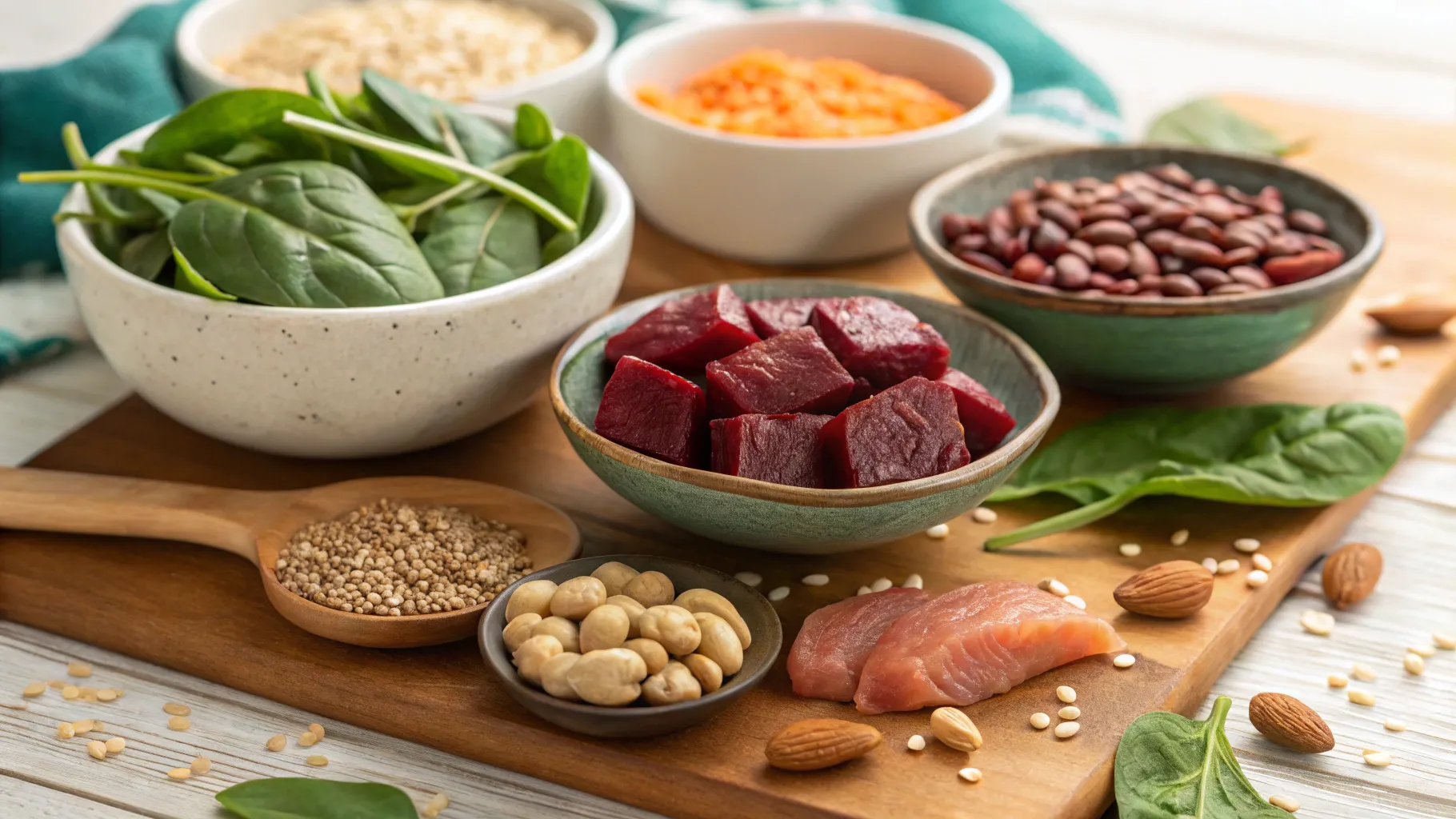
The general recommendation is to consult with a healthcare professional if symptoms persist. They may suggest an iron-rich diet or supplements as part of a management plan. Foods rich in iron include red meat, poultry, lentils, beans, and fortified cereals, which should be prioritized in daily meals.
Preventing Iron Deficiency
Prevention is always better than treatment. To maintain optimal iron levels, include a variety of iron-rich foods in your diet. Pairing these sources with vitamin C-rich foods (like oranges and bell peppers) can enhance iron absorption. For those who follow strict vegan or vegetarian diets, planning meals to include both iron sources and absorption enhancers is crucial.
Awareness campaigns and health education continue to rise, aiming to arm individuals with the knowledge they need to mitigate their risk of iron deficiency. With the right dietary choices and prompt medical attention, managing iron levels is achievable, leading to a healthier, more energetic life.
Authored by FreshLifeWire team