Recognize Early Signs of Colon Cancer and Get Screened
Identifying Early Signs of Colon Cancer
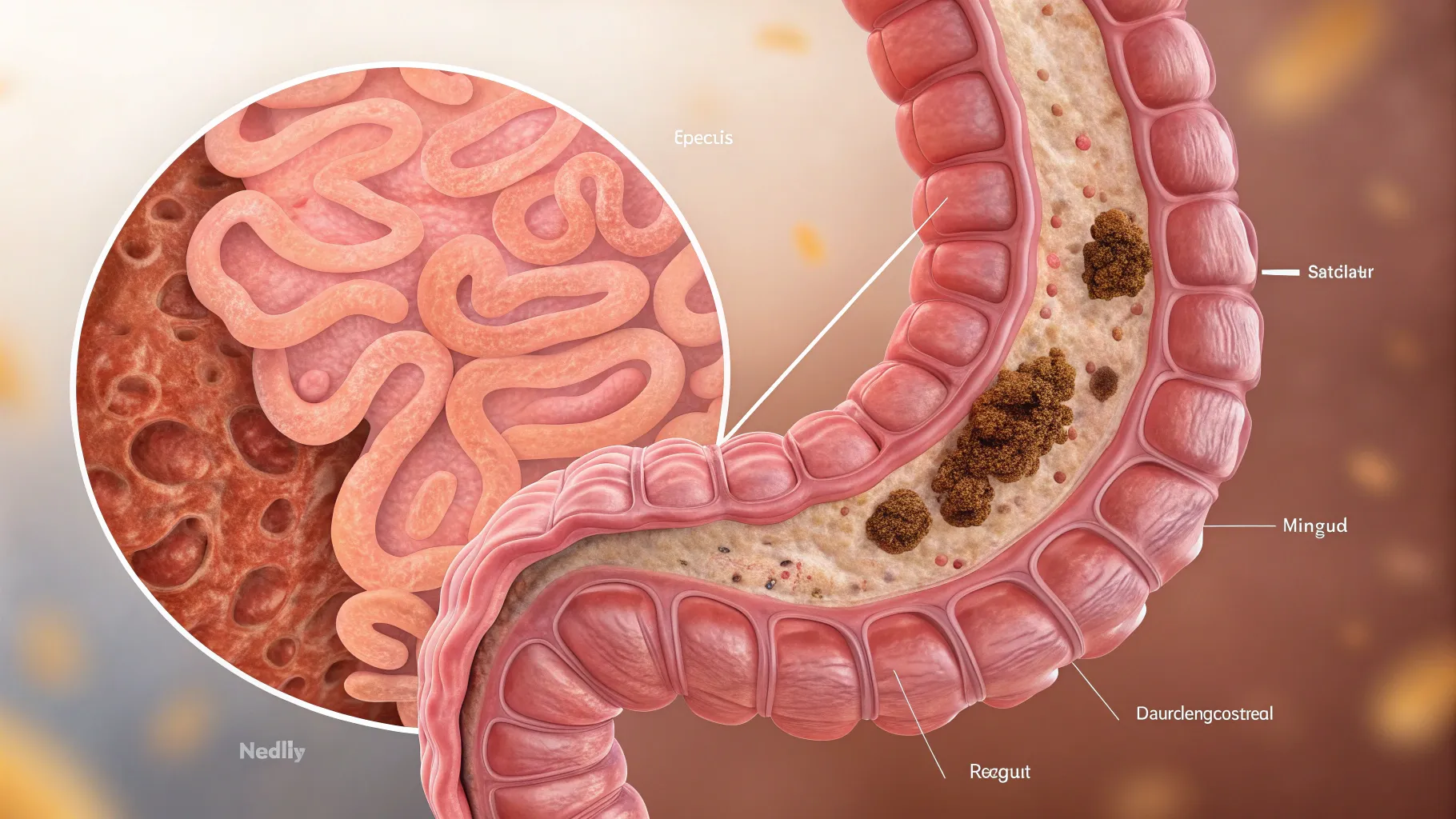
As we navigate through 2025, it's vital to understand the early signs of colon cancer. This disease is increasingly being diagnosed among younger adults, which emphasizes the need for heightened awareness and vigilance. Early recognition of symptoms can lead to better treatment outcomes and potentially save lives. Unfortunately, many first symptoms of colon cancer are subtle and may easily be confused with benign conditions.
The Critical Nature of Early Detection
Early detection plays a pivotal role in improving survival rates for colon cancer. Current data from the World Health Organization (WHO) indicates a remarkable 90% survival rate when colon cancer is detected at a localized stage. Contrast that with a stark drop to only 14% when the disease has metastasized to distant organs. These statistics serve as a powerful reminder of the need to remain alert regarding the warning signs of colon cancer. Prompt diagnosis not only helps in enhancing prognosis but also simplifies the treatment journey.
Recognizing Colon Cancer Symptoms
So, what should you watch out for? Here are some key colon cancer early warning signs that may indicate a need to seek medical advice:
- Changes in Bowel Habits: If you experience persistent diarrhea or constipation lasting more than a few days, it could hint at a significant health issue. While these changes might seem minor, they deserve close monitoring.
- Blood in Stool: Seeing blood in your stool, whether bright red or dark, warrants immediate professional attention. Blood is a prominent symptom that should never be dismissed, as it could signify serious conditions, including colon cancer.
- Abdominal Discomfort: Regular abdominal pain, whether it manifests as cramps or ongoing discomfort, should not be brushed off. These sensations might relate to digestive problems or even growths within the intestines.
- Unexplained Weight Loss: Unintended weight loss can be alarming and indicative of various health issues, including cancer. Coupled with other symptoms, this could necessitate a doctor’s visit.
- Fatigue and Weakness: Chronic tiredness that persists despite adequate rest may indicate underlying health issues. Fatigue can result from internal problems, including blood loss due to cancer.
- Rectal Bleeding: Any occurrence of rectal bleeding should be taken seriously. Although often attributed to hemorrhoids, this symptom can indicate more serious health issues.
- Sensation of Incomplete Bowel Movements: If you continually feel like your bowels haven't fully emptied, it might suggest a blockage or growth that needs further examination.
Supportive Statistics and Case Studies
Research has shown that in the past six months, approximately one in four patients diagnosed with colon cancer under the age of 50 reported these initial symptoms. Notably, a recent study published in Cancer Progress emphasized the vital role of regular screenings in detecting early signs, particularly for individuals with a family history of colorectal conditions. In one such case, a 45-year-old man reported changes in his bowel habits. Following a colonoscopy, he was diagnosed with stage I colon cancer. Thanks to proactive detection measures, his prognosis is currently very favorable.
As data continues to emerge, it’s becoming increasingly clear that timely and regular medical screenings can be life-saving. Experts now recommend that individuals over 45 consider routine colonoscopies. For those with a family history of colon cancer or other colorectal issues, these screenings may begin even earlier.
Symptom Awareness and Health Advocacy
Staying attuned to your body’s signals is crucial when it comes to health. The initial symptoms of colon cancer can be mistaken for more benign conditions, such as irritable bowel syndrome (IBS) or even due to poor dietary habits. Being proactive and alert to changes can usher in timely interventions that could make all the difference.
Doctors today advocate for a comprehensive approach to health, emphasizing the importance of examining multiple symptoms collectively. Regular communications with your healthcare provider can facilitate better health outcomes. For instance, organizations such as the American Cancer Society are championing campaigns to promote early screening and enhance awareness, particularly for individuals with genetic predispositions.
If any of these signs resonate with you, it is prudent to contact your healthcare provider. Discussing your symptoms openly can lead to appropriate diagnostic procedures like colonoscopies or imaging studies. Understanding your family history and risk factors is key to optimizing preventive care strategies.
Upon recognizing symptoms, your healthcare provider will guide you on the next steps, which could mean lifestyle changes, increased screening frequency, or even the need for surgical interventions to remove any identified growths. Remaining educated about your health acts as your strongest protective measure against colon cancer.
In 2025, it has never been more critical to stay vigilant and informed about colon cancer symptoms to watch for. Regular check-ups, an awareness of bodily changes, and a thorough understanding of risk factors can empower you towards achieving a healthier life. Knowledge is power, and when it comes to combating colon cancer, being informed is your most effective ally.
Authored by FreshLifeWire team