Recognize Bowel Cancer Indicators and Screening Options
Understand Bowel Cancer Indicators
Bowel cancer, also known as colorectal cancer, is one of the most common forms of cancer affecting both men and women globally. As of 2025, recent statistics indicate that approximately 1.8 million new cases are diagnosed annually. Understanding the indicators of bowel cancer is crucial as it enables early detection and significantly increases the chances of successful treatment.
Recognizing the Early Symptoms of Bowel Cancer
The symptoms of bowel cancer can often be subtle and may easily be mistaken for less serious gastrointestinal issues. However, being vigilant about the signs can make a significant difference in outcomes. Here are some key indicators to watch for:
- Change in Bowel Habit: A noticeable change in bowel habits lasting more than a few weeks can be a critical sign of bowel cancer. This might include diarrhea, constipation, or a change in stool consistency.
- Blood in Stool: The presence of blood, either bright red or dark-colored, in your stool can be alarming. If this symptom appears, it is vital to consult a healthcare professional.
- Abdominal Pain: Unexplained, persistent pain in the abdomen or a sensation of fullness can be indicative of an underlying issue, including bowel cancer.
- Unexplained Weight Loss: If you are losing weight without trying, especially in conjunction with other symptoms, it's important to seek medical advice.
- Fatigue and Weakness: Experiencing unusual fatigue or weakness can be a sign of anemia, which can occur with bowel cancer due to internal bleeding.
It is essential to understand that experiencing one or more of these symptoms does not automatically mean a diagnosis of bowel cancer, but it should prompt a visit to your doctor for further investigation.
Bowel Cancer Screening: A Vital Resource
Regular screening plays a crucial role in the early detection of bowel cancer. The recommended age for screening typically begins at 45 for average-risk patients. The aim of screening is to identify pre-cancerous polyp growths or early-stage cancers, significantly improving treatment success rates.
There are several screening methods available that healthcare professionals may recommend:
- Fecal Occult Blood Test (FOBT): This test checks for hidden blood in the stool. It should be done annually and can detect blood that may not be visible to the eye.
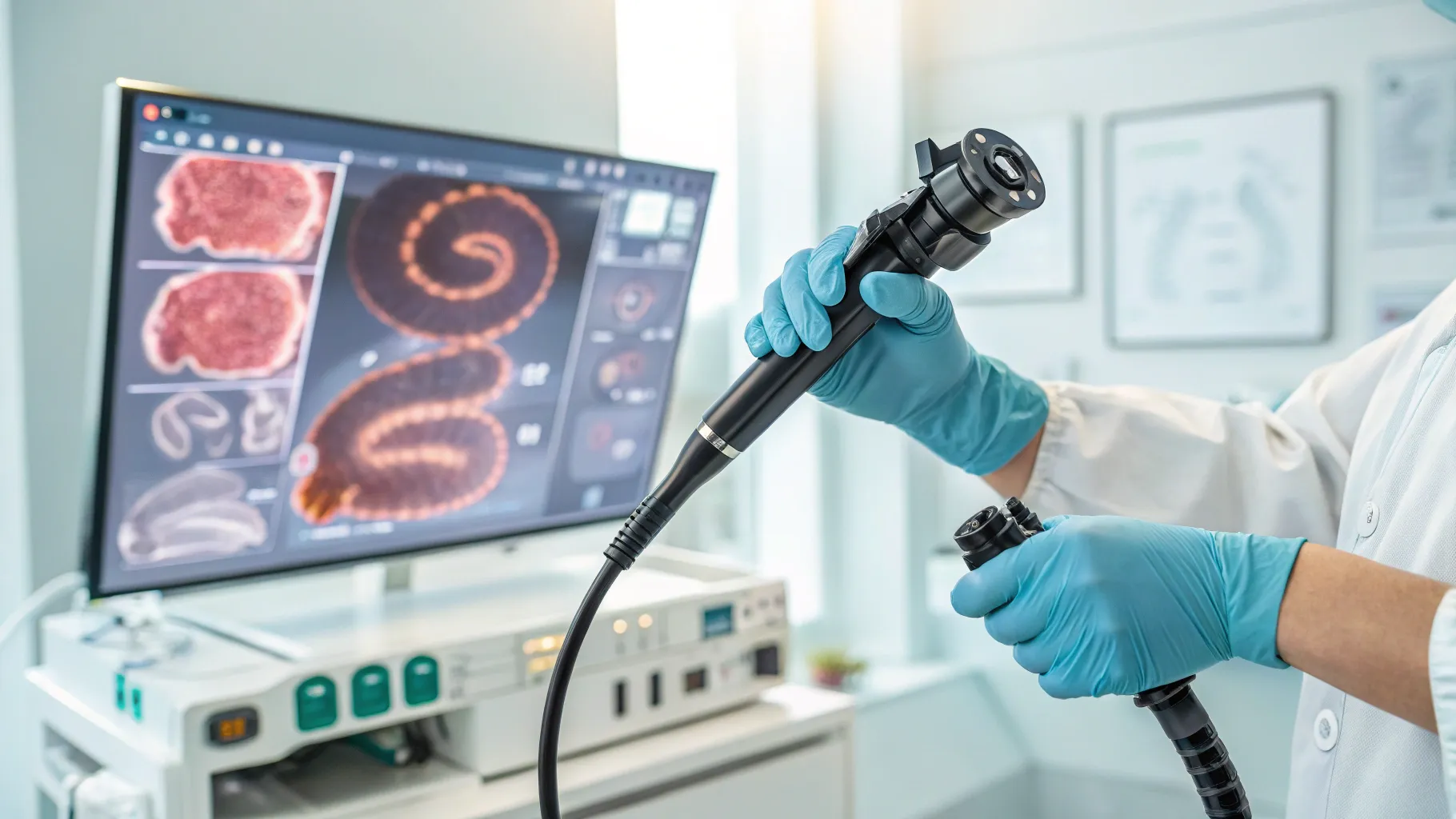
- Flexible Sigmoidoscopy: A procedure where a doctor uses a flexible tube with a camera to examine the rectum and lower part of the colon. This is typically recommended every five years.
- Colonoscopy: This test allows for a thorough examination of the entire colon. It can help identify cancers or polyps and is usually recommended every ten years if no abnormalities are found.
Recent data shows that countries with robust bowel cancer screening programs have a significantly lower incidence rate. For instance, a study published in late 2024 found that aims to increase screening participation have resulted in early-stage detection rates rising by over 30% in the last year alone.
The Importance of Early Diagnosis
Early diagnosis of bowel cancer is critical, as treatment outcomes are greatly improved when the disease is caught in its initial stages. For example, the 5-year survival rate for individuals diagnosed at stage 1 is approximately 90%. In contrast, this rate drops to 14% for those diagnosed at stage 4. Therefore, awareness and proactive screening are key.
Healthcare providers are increasingly utilizing artificial intelligence (AI) technologies to improve diagnosis. In recent implementations, AI has automated the analysis of colonoscopy images, aiding in the quicker identification of polyps and abnormal tissue, thereby enhancing the screening process for practitioners.
Real-World Impact and Advocacy
Recognizing the importance of education and awareness, various organizations are launching campaigns aimed at raising public awareness about bowel cancer. These campaigns are focused on informing the public about symptoms, the need for early screening, and available treatment options.
One notable campaign, launched in early 2025, involved community outreach programs that aimed to educate populations that may be at higher risk, such as individuals with a family history of bowel cancer. These programs are not only distributing educational materials but also providing free screening opportunities to encourage early detection.
Furthermore, support groups are increasingly becoming available for those diagnosed with bowel cancer. Such groups offer emotional support and valuable information on coping strategies, treatments, and living life post-diagnosis.
What You Can Do
Staying informed is the first step in recognizing and tackling bowel cancer effectively. Remember to:
- Be proactive about your health and discuss your screening options with your healthcare provider.
- Educate yourself about the symptoms and risk factors associated with bowel cancer.
- Encourage friends and family to participate in screening programs, particularly if they meet the recommended age guidelines.
By understanding bowel cancer indicators and advocating for screening, you can play a vital role in the early detection and treatment of this disease. Awareness, screening, and support – these are the cornerstones of combating bowel cancer today.
Authored by FreshLifeWire team