The Purpose and Benefits of Day Care for Early Learning
The Purpose of Day Care Centers
Day care centers play a crucial role in early childhood development, providing a safe and nurturing environment for children while their parents are at work. In 2025, the importance of these institutions continues to evolve with an increasing understanding of early childhood education and its long-term impacts.
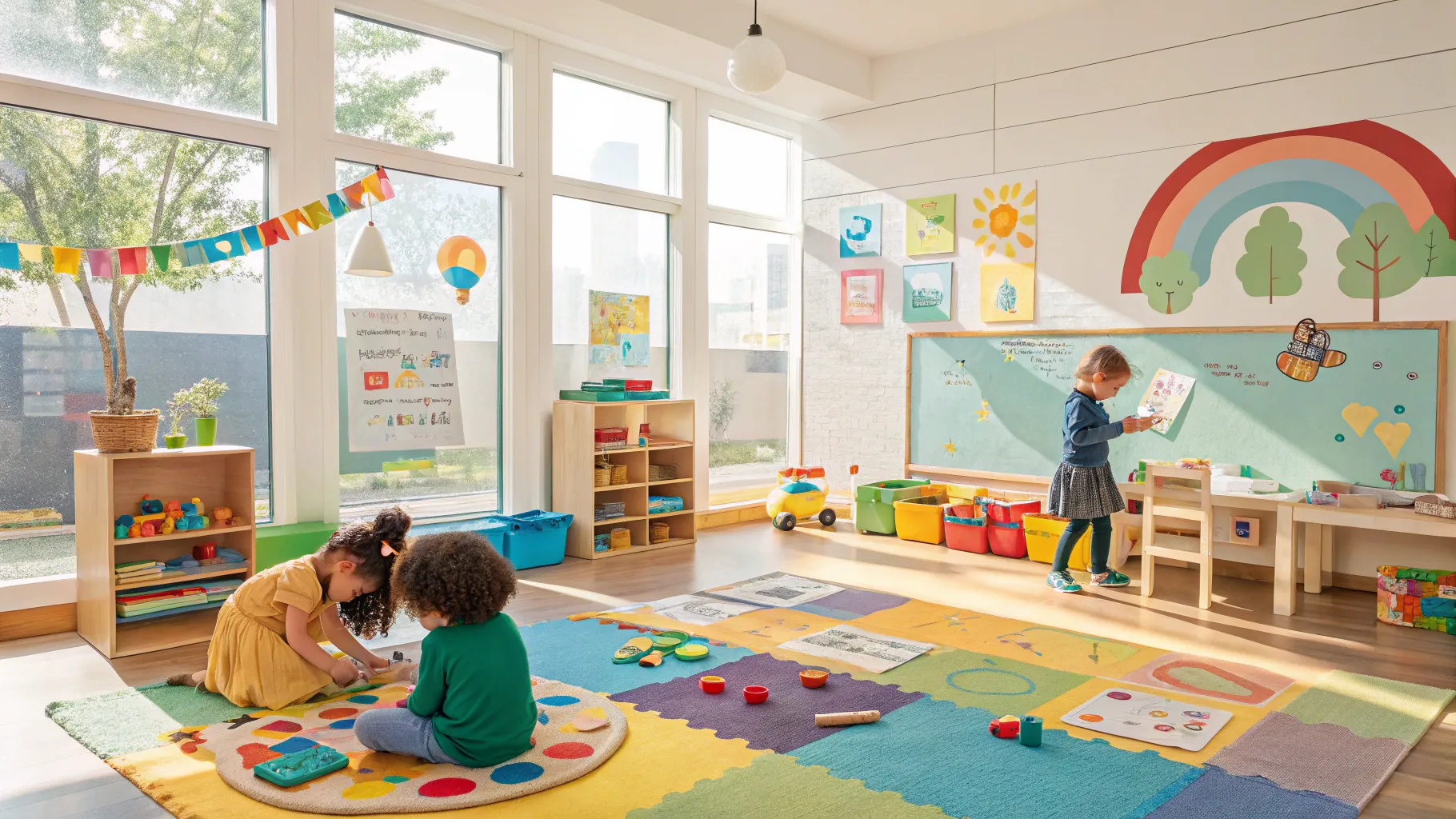
The primary purpose of a day care center is to offer supervision and care for young children, typically from infants to age five. These centers serve as a bridge for parents who need reliable child care as they balance work and family responsibilities. According to recent studies, more than 60% of families in the U.S. utilize some form of day care service, highlighting the significant role these centers play in modern family life.
How Day Care Supports Early Learning
One of the most significant benefits of day care is its focus on early learning. High-quality day care programs are designed to promote cognitive, social, and emotional development through a structured curriculum tailored to young children. Research shows that children who attend quality day care centers perform better in school, exhibit better behavior, and are more adept at social interactions than those who do not.
Day care centers often incorporate a blend of educational activities that foster learning through play. These activities can include:
- Storytime: Engaging children with books helps develop language skills and nurtures a love for reading.
- Art and Crafts: Creative activities enhance fine motor skills and encourage self-expression.
- Interactive Games: These foster problem-solving skills and teamwork among peers.
- Outdoor Activities: Physical play is essential for developing gross motor skills and encouraging a healthy lifestyle.
In addition to structured learning, day care centers emphasize the importance of social interaction. Children learn to share, take turns, and empathize with others, skills that are crucial for their development. According to a survey conducted in early 2025, 75% of parents noted significant improvements in their child’s social skills after attending a day care program.
Why Socialization is Important for Toddlers
Socialization is one of the key components of child development, particularly during the toddler years. This stage of life is marked by critical growth in social skills, emotional regulation, and language abilities. Day care centers provide the perfect environment for toddlers to learn these crucial skills.
Interacting with peers allows toddlers to practice communication and develop a sense of belonging. They learn to navigate relationships and handle conflicts, laying the foundation for future interactions in school and later in life. According to the National Association for the Education of Young Children (NAEYC), children who engage in consistent socialization from a young age are significantly more prepared for kindergarten and beyond.
Activities Done in Day Care
Day care centers are designed to be more than just a place for supervision; they are vibrant learning environments filled with diverse activities that promote growth across various developmental domains. For instance, many centers implement a curriculum that includes:
- Music and Movement: Music activities, including singing and dancing, help enhance rhythmic skills and improve coordination.
- Science Exploration: Simple science experiments can spark curiosity and a love for discovery.
- Sensory Play: Activities involving sand, water, and play dough provide tactile experiences that are crucial for brain development.
- Field Trips: Visits to local farms, museums, or parks can provide real-world learning experiences that further enrich children's understanding of their environment.
Additionally, many day care centers emphasize multicultural experiences, introducing children to diverse cultures through festivals, foods, and stories, helping to instill an appreciation for diversity from an early age.
How Day Care Helps Working Parents
For many parents, the day-to-day life of balancing work obligations with family needs can be overwhelming. Day care centers provide essential support by allowing parents to work without worrying about the safety and well-being of their children. In fact, a survey found that over 80% of working parents feel a sense of relief knowing their children are in a secure and stimulating environment.
Furthermore, day care centers often provide flexible hours to accommodate varying work schedules, including extended hours for those with unconventional work hours. This flexibility is crucial in today's job market, where many parents may need to work late or early shifts. Advances in technology have also enhanced communication between parents and day care providers, with many centers using apps to keep parents updated on their children's activities and progress throughout the day.
Additionally, some day care centers offer family support services, including parenting classes and workshops that help working parents enhance their skills and improve their family dynamics. These initiatives can lead to healthier relationships within families, ensuring a more enriched home life for children.
In 2025, the landscape of day care continues to adapt to the needs of families, providing essential services that not only care for children but also empower parents to thrive in their personal and professional lives.
Authored by FreshLifeWire team