Pulmonary Hypertension Symptoms Diagnosis and Treatment 2025
Pulmonary Hypertension Understanding and Management in 2025
Pulmonary hypertension (PH) has become a pressing public health concern, affecting millions of individuals across the globe. This condition is defined by elevated blood pressure in the pulmonary arteries, leading to serious health challenges if not identified early. In 2025, awareness is rising about this condition, yet many remain unaware of its profound implications. It is crucial to understand the symptoms, causes, diagnostics, and treatment options related to pulmonary hypertension to effectively manage it and improve the quality of life for those affected.
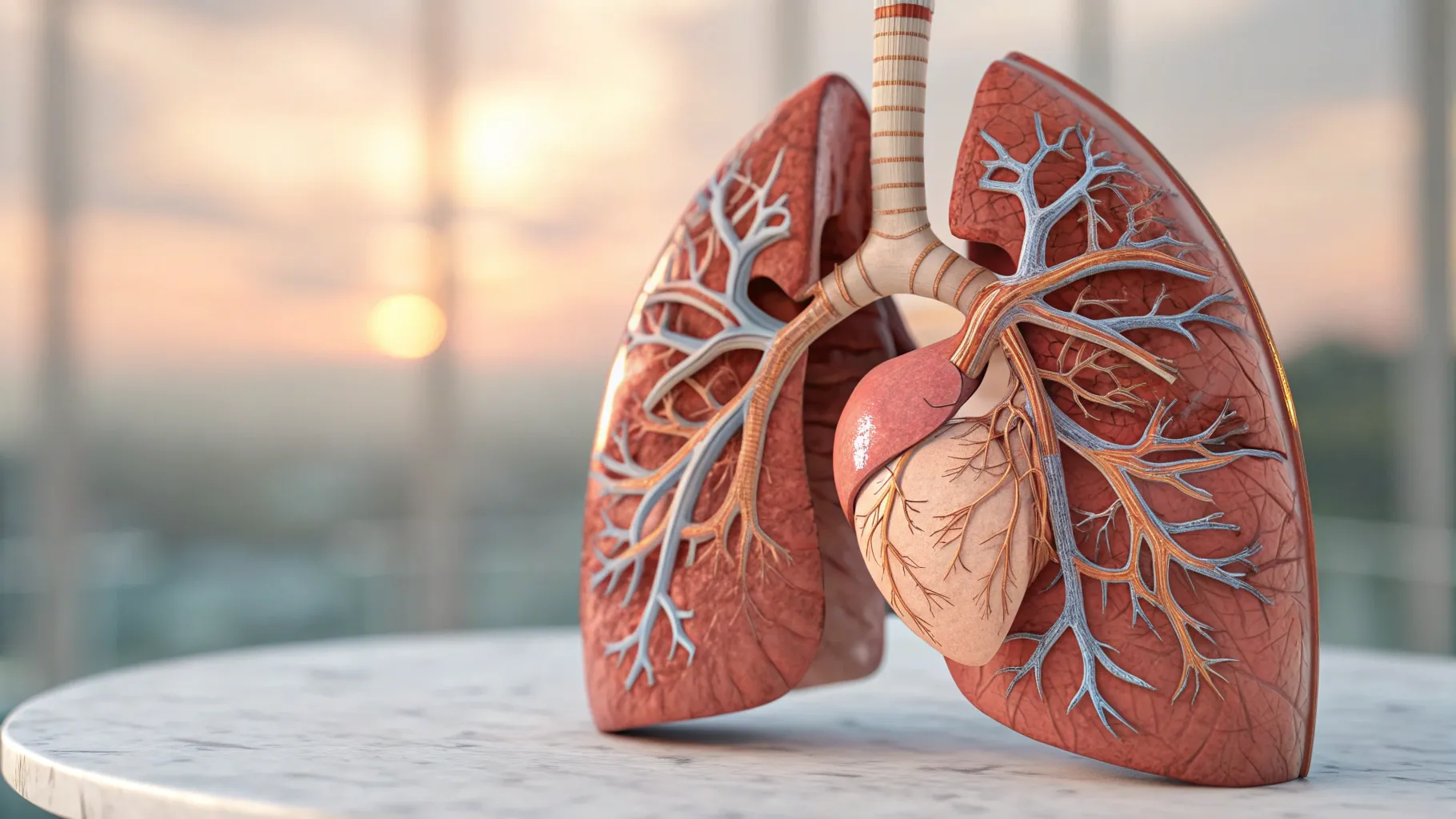
Recognizing Early Symptoms of Pulmonary Hypertension
Timely recognition of pulmonary hypertension symptoms is vital for prompt management and treatment. In 2025, healthcare providers emphasize the importance of discerning these often subtle manifestations. Here are some common symptoms of PH to watch for:
- Shortness of breath: Many individuals experience difficulty breathing during activities previously manageable.
- Fatigue: Persistent fatigue that does not improve with rest is a frequent complaint.
- Dizziness or fainting: These can occur during physical exertion, attributed to reduced blood flow to vital organs.
- Chest pain or discomfort: While this symptom may not be widely reported, some patients do experience it due to increased cardiac strain.
- Swelling: Edema, particularly in the legs or abdomen, suggests heart overload and poor circulation.
It’s essential to consult a healthcare professional if you experience any of these symptoms. Early diagnosis exponentially increases treatment success and overall patient outcomes.
Understanding Causes of Pulmonary Hypertension
Pulmonary hypertension can result from various factors, making it a complex disease for both patients and healthcare providers. Our understanding of these causes has significantly evolved in 2025. Here are some key contributors to PH:
- Idiopathic Pulmonary Hypertension: This type occurs without a known cause, constituting around 20% of cases.
- Genetic Factors: Recent studies have identified specific genetic mutations as contributing factors to familial pulmonary arterial hypertension.
- Chronic Health Conditions: Conditions like chronic obstructive pulmonary disease (COPD), sleep apnea, and certain heart diseases notably elevate the risk of PH.
- Exogenous Factors: Prolonged exposure to some medications, environmental toxins, and lifestyle choices may increase susceptibility to PH.
- Portal Hypertension: Liver diseases can lead to increased blood flow to the lungs, ultimately causing pulmonary hypertension.
Gaining insight into these critical risk factors enables healthcare providers to create tailored treatment plans, empowering patients to take proactive measures to avert disease progression.
Diagnostic Processes in Pulmonary Hypertension
Accurate diagnosis of pulmonary hypertension is essential for effective management. The diagnostic landscape in 2025 has become increasingly advanced, characterized by improved accessibility and accuracy. Here are the standard diagnostic steps employed by medical professionals:
- Physical Examination: Doctors perform a comprehensive evaluation to identify potential signs of PH and assess a patient's general health.
- Imaging Tests: Enhanced imaging technologies, including echocardiograms, chest X-rays, and CT scans, provide vital information regarding cardiovascular and pulmonary health.
- Right Heart Catheterization: This invasive procedure measures pulmonary artery pressure directly, serving as the gold standard for diagnosing PH.
- Blood Tests: A thorough analysis of blood samples helps uncover any underlying health issues or confirm or eliminate alternate diagnoses.
- Exercise Testing: Evaluating how a patient’s body responds to physical activity can offer crucial insights into their condition.
Advancements in diagnostic techniques raise the chances of early identification of PH, crucial for starting timely and effective interventions.
Innovative Treatment Options for Pulmonary Hypertension
As of 2025, the treatment landscape regarding pulmonary hypertension is filled with optimism, offering a variety of options tailored to individual conditions. Treatment strategies primarily depend on the severity of the disease and the underlying causes. Below are some of the common approaches:
- Medications: Numerous drug options are available, including:
- Endothelin Receptor Antagonists (ERAs): These medications help block the effects of endothelin, a natural vasoconstrictor, thereby lowering pulmonary artery pressure.
- Phosphodiesterase-5 Inhibitors: Agents like sildenafil work to relax blood vessels in the lungs, enhancing oxygen delivery.
- Prostacyclin Analogs: For patients with severe PH, these powerful medications can be administered through continuous infusion or inhalation.
- Oxygen Therapy: For those experiencing hypoxia, supplemental oxygen proves to be an effective symptom reliever.
- Lung Transplantation: In advanced cases, lung transplantation becomes a viable, life-saving option for eligible patients.
In addition to pharmaceutical interventions, lifestyle changes—such as adhering to a healthy diet, engaging in gentler exercise programs, and steering clear of tobacco—constitute essential components of managing pulmonary hypertension effectively.
As we navigate through 2025, understanding and innovations in treating pulmonary hypertension continue to evolve rapidly. Continuous research is paving the way for new therapies that can significantly enhance the quality of life for individuals grappling with this complex condition. Staying informed about pulmonary hypertension not only empowers patients but also fosters a supportive environment for improved health outcomes.
Authored by FreshLifeWire team