Is Psoriasis Infectious Symptoms Causes and Treatment Guide
Understanding Psoriasis Is It Infectious
Psoriasis is a chronic autoimmune condition that affects millions worldwide, yet it is often misunderstood. Many people mistakenly believe that this skin disorder is infectious, which is far from the truth. This article seeks to clarify what psoriasis is, its symptoms, and its causes, while also addressing the compelling question: Is psoriasis infectious?
What Are the Symptoms of Psoriasis
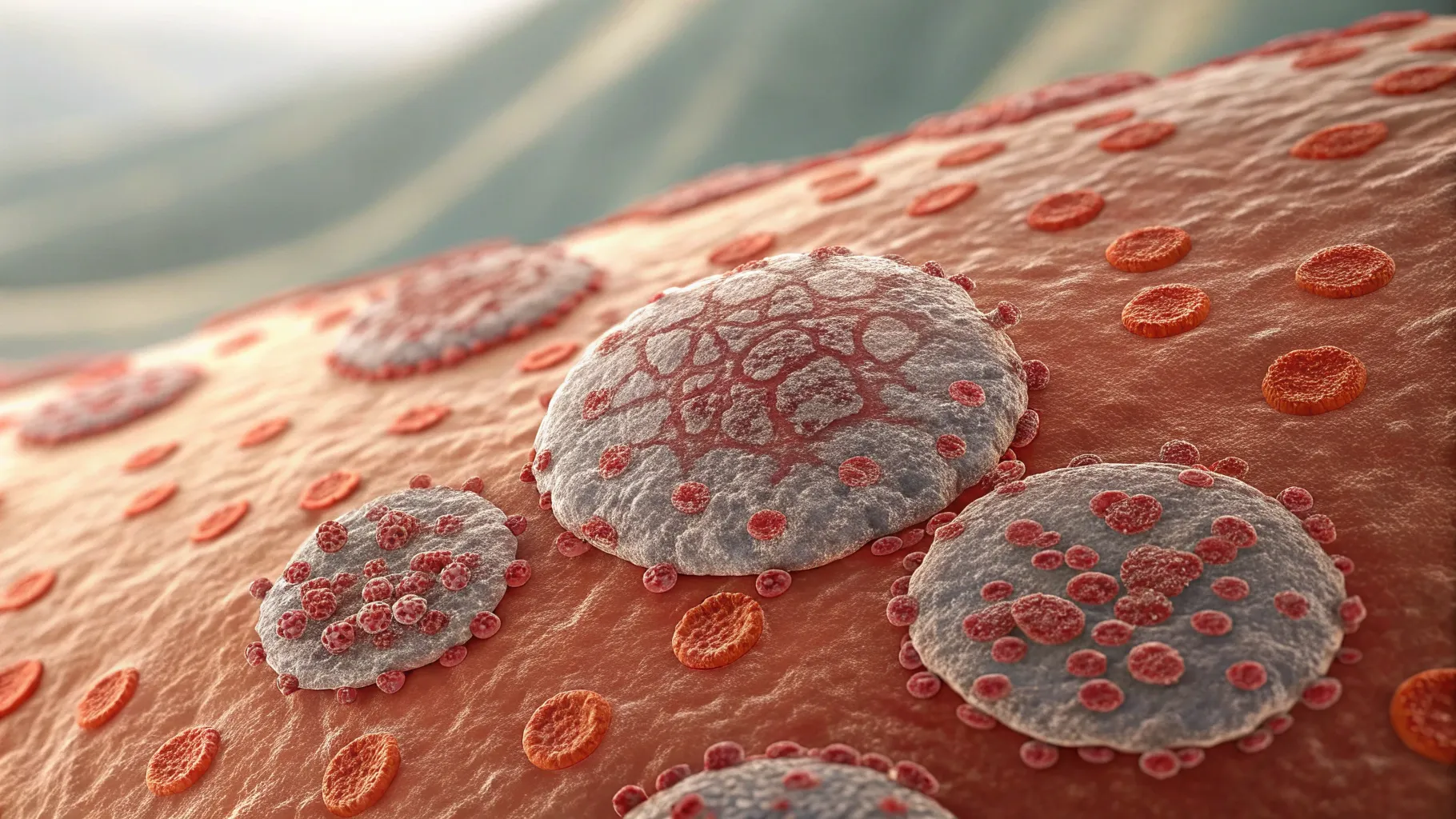
Individuals experiencing psoriasis may encounter a variety of symptoms that can significantly impact their quality of daily life. The most typical symptoms associated with psoriasis include:
- Red, inflamed patches of skin: These areas are frequently covered with silvery scales that can be itchy and uncomfortable. The visibility of these patches can cause emotional distress and social anxiety.
- Dry, cracked skin: Some patients may have exceptionally dry skin that can crack open and bleed, creating additional discomfort and a risk for infections.
- Significant itching or burning: The itching can range from mild irritation to severe discomfort, leading many individuals to scratch and exacerbate their condition.
- Nail changes: Psoriasis can also affect the nails, leading to pitting, discoloration, or separation from the nail bed.
- Joint inflammation: For some, the condition transitions into psoriatic arthritis, resulting in swollen and stiff joints that can limit mobility.
Research indicates that around 2-3% of the global population lives with psoriasis today, reflecting its prevalence. Recent statistics from early 2025 suggest that flare-ups can persist for weeks or even months, underscoring the need for effective management strategies.
What Causes Psoriasis
The exact cause of psoriasis remains a puzzle for researchers, though it is generally accepted to result from a combination of genetic and environmental factors. Let’s explore some key contributors:
- Genetic predisposition: A family history of psoriasis significantly increases one’s likelihood of developing the condition. Studies show that if a parent or sibling has psoriasis, the risk climbs considerably, illustrating the genetic component of the disorder.
- Immune system dysfunction: As an autoimmune disorder, psoriasis involves the immune system mistakenly attacking healthy skin cells. This leads to increased skin cell production, which accumulates and forms the characteristic scales and patches.
- Environmental triggers: Stress, skin damage, infections, smoking, and excessive alcohol consumption can all spark flare-ups. Notably, new studies have also linked metabolic disorders like obesity to more severe psoriasis cases, emphasizing the importance of lifestyle choices for patients.
In light of these factors, it's clear that psoriasis is deeply interconnected with both lifestyle and biological markers. Understanding these can empower individuals to adopt strategies that may help in managing their condition effectively.
Psoriasis Treatment Options
While there is currently no cure for psoriasis, various treatment options are available to manage the symptoms effectively. Treatment methodologies have evolved significantly, focusing on alleviating discomfort and enhancing the quality of life. Early 2025 brings exciting advancements in the treatment landscape.
- Topical Treatments: Commonly prescribed topical treatments include corticosteroids, vitamin D analogues, and retinoids. Innovative formulations that enhance absorption and minimize side effects are currently in development, promising even greater relief for patients.
- Phototherapy: Through controlled exposure to ultraviolet light, phototherapy has proven effective for many individuals. New handheld devices now permit at-home use, providing greater convenience and adherence to treatment schedules.
- Systemic Treatments: For moderate to severe cases, systemic treatments—administered orally or via injection—may be required. The introduction of biologics, which target specific components of the immune system, has redefined treatment methods. Several new biologic medications have received FDA approval in early 2025, showing impressive results in reducing both the symptoms and severity of psoriasis.
Aside from traditional treatments, many patients are incorporating holistic approaches. Diet modifications, regular exercise, and mindfulness practices are increasingly seen as beneficial in managing psoriasis and improving overall well-being.
Is Psoriasis Infectious
A common misconception surrounding psoriasis is that it is an infectious disease. However, psoriasis is NOT infectious. This means you cannot contract psoriasis through contact with someone who has it, nor can you pass it on to others. This misunderstanding fuels social stigma, which further complicates the lives of those affected.
Understanding that psoriasis stems from genetic and autoimmune factors, rather than infectious agents, can help alleviate concerns among friends and family. Illustratively, a woman in early 2025 faced significant challenges due to the misconception held by those around her regarding contagiousness. After community events focused on raising awareness, her support network became more informed, transforming the dynamic of understanding and support.
The Importance of Community Support
Coping with psoriasis can be physically and emotionally taxing. The role of community support cannot be overstated; it is crucial for individuals dealing with the condition. Joining support networks—whether online forums, social media groups, or in-person meetings—can provide essential resources and emotional backing.
As treatment modalities continue to progress, fostering awareness about psoriasis is essential for breaking down stigmas and improving the lives of those affected. Supportive friends, family, and community members can make a remarkable difference in how individuals experience this condition.
Indeed, as we continue to learn more about psoriasis and work to enhance treatment options, it becomes clear that knowledge is power. With better understanding, the stigma around psoriasis as an infectious disease can be diminished, allowing individuals to reclaim their lives and dignity. The journey may be complex, but through understanding, compassion, and informed treatment, those living with psoriasis can navigate their path more confidently in 2025 and beyond.
Authored by FreshLifeWire team