Prosthetic Leg Advancements in 2025
The Evolution of Prosthetic Leg Technology
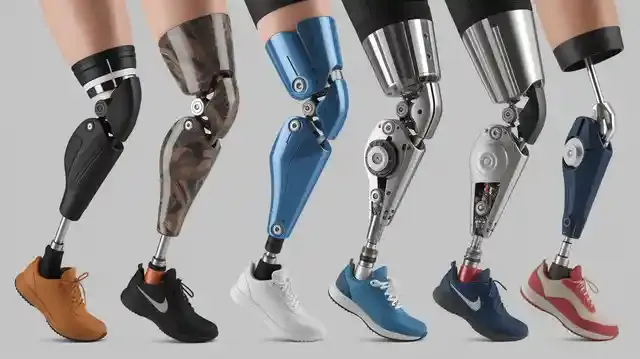
In recent years, prosthetic leg technology has undergone a remarkable transformation. As of 2025, advancements in this field have significantly improved the quality of life for amputees around the globe. From the innovative materials used in their construction to the cutting-edge design elements, these prosthetics are not simply functional replacements but extensions that seamlessly blend with the human form.
Materials and Design
The use of lightweight and durable materials has been a game-changer. Carbon fiber and titanium, known for their strength-to-weight ratio, have become standard. These materials mimic the natural biomechanics of the human leg more accurately, providing users with enhanced mobility and comfort.
One of the most significant innovations in prosthetic design is the incorporation of 3D printing. This technology allows for customized prosthetics tailored to the specific needs and measurements of the user. The precision of 3D printing ensures an impeccable fit, reducing discomfort and enhancing stability.
Technological Integration
Beyond materials, the integration of technology in prosthetic legs has reached new heights. Smart prosthetics, featuring sensors and microprocessors, have transformed the field. These sensors can process data and adjust the prosthetic's response in real-time, offering users a more natural gait.
Furthermore, the use of AI and machine learning has revolutionized prosthetic adaptability. Through continuous learning and adaptation, these high-tech limbs can anticipate movements and adjust accordingly, offering personalized movement patterns. As of this year, the capability of prosthetics to connect to smart devices and apps provides users the ability to control and monitor the functionality of their prosthetic limb remotely.
Electric prosthetics have also benefitted from advancements in battery technology. With the introduction of longer-lasting, quick-charging batteries, users enjoy extended periods of usage without frequent recharges.
Real World Examples
The story of Alex, a young para-athlete, exemplifies these advancements. Just six months ago, Alex received a prosthetic leg equipped with AI-driven sensors and microprocessors. This allowed him to participate in competitive events with confidence and agility, illustrating the profound impact of these innovations.
Similarly, everyday users like Emily, a middle-aged teacher, appreciate the comfort of 3D-printed prosthetics. Her custom-fit prosthetic leg has enabled her to stand for prolonged periods without discomfort, transforming her experience both inside and outside the classroom.
These stories underscore the growing impact and reach of modern prosthetic leg technology. The customization and technological sophistication available today were unimaginable just a decade ago, and have opened numerous possibilities for those who rely on these advanced devices daily.
Future Prospects
Even with the significant advancements that are evident in 2025, the field of prosthetic limb technology continues to evolve. Researchers and developers are looking into how neuroprosthetics might create more seamless integration between the prosthesis and the brain. This could eventually allow for direct thought control of prosthetic limbs, offering unprecedented levels of control and responsiveness.
Overall, the current state of prosthetic leg technology stands as a testament to human ingenuity and resilience. These developments not only provide enhanced physical functionality but also contribute to the psychological wellbeing of users, enabling them to walk back into the world with confidence and dignity.
Authored by FreshLifeWire team