Pros and Cons of Peel and Stick Tiles for Home Renovation
Pros and Cons of Peel and Stick Tiles
In the ever-evolving world of home improvement and DIY projects, peel and stick tiles have emerged as a popular choice for homeowners looking for a quick and affordable way to revamp their spaces. These versatile tiles offer a unique solution for those looking to enhance their home without committing to the time, expense, or labor associated with traditional tiling methods. In this article, we will explore the numerous pros and cons of peel and stick tiles, helping you to determine if they are the right choice for your next home project.
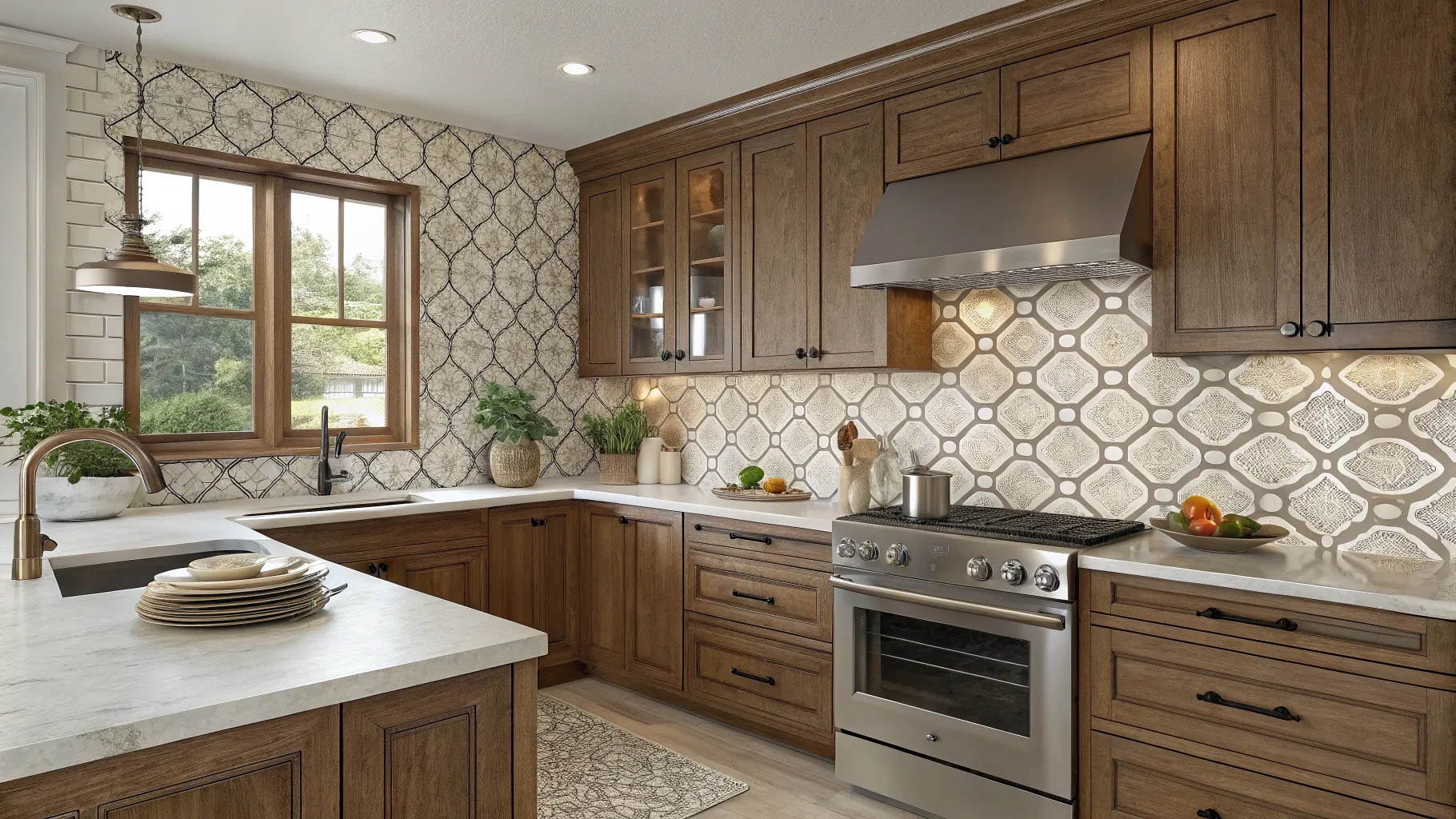
What are Peel and Stick Tiles?
Peel and stick tiles are a form of adhesive tile designed for easy installation. They come with a pre-applied adhesive backing, allowing homeowners to effortlessly attach them to walls, floors, or ceilings after peeling off the protective backing. This easy application makes them especially popular among DIY enthusiasts who want to tackle home renovation projects without professional assistance. As of 2025, there are numerous styles, colors, and materials available—including vinyl, ceramic, and even natural stone—providing ample choices for every design preference.
Advantages of Peel and Stick Tiles
- Cost-Effective Solution - One of the most compelling advantages of peel and stick tiles is their affordability. According to recent industry research from the Home Improvement Institute, homeowners can expect to spend between $1 and $5 per square foot for these tiles, significantly less than the average installation cost for traditional tile, which can range from $5 to $15 per square foot, not including labor.
- Easy Installation - The installation process is straightforward, making it accessible to even those with minimal DIY experience. Homeowners can simply measure the area, cut the tiles as needed, and stick them into place, allowing for a weekend project to transform a kitchen or bathroom.
- Variety of Designs - With a wide range of styles available, including looks that mimic natural materials such as wood and stone, peel and stick tiles can cater to diverse aesthetic preferences. Whether you are aiming for a modern, industrial look or a rustic, farmhouse feel, there is likely a peel and stick option on the market to meet your tastes.
- No Need for Additional Tools - Unlike traditional tiles that may require extensive tools and materials—like grout and mortar—peel and stick tiles eliminate the need for these extras. This feature not only saves time but also reduces the overall cost of the project.
- Temporary Solutions - For renters or those who frequently change their home decor, peel and stick tiles offer a temporary yet stylish solution. They can be easily removed without damaging the underlying surfaces, making them ideal for non-permanent applications.
Drawbacks of Peel and Stick Tiles
- Durability Issues - While many peel and stick tiles are designed to be durable, some homeowners report that they may not withstand heavy foot traffic or prolonged moisture exposure. For example, in a recent case study from a family that installed peel and stick tiles in their kitchen, they discovered that the adhesive began to loosen in areas exposed to frequent water splashes, leading to peeling edges.
- Surface Preparation Required - Before installation, it’s vital to ensure that the surface is clean, dry, and free of imperfections. If the surface is uneven or has residual adhesive from previous flooring, the tiles may not adhere properly, which can lead to a disappointing finish.
- Potential for Fading - Depending on the quality of the tile, some peel and stick options may fade due to UV exposure. Homeowners who live in sun-drenched areas should test how the tiles hold up over time, especially if installed in high-light areas like sunrooms.
- Limited Longevity - While certain brands advertise a lifespan of several years, many users found that they typically require replacement every 3 to 5 years, particularly in high-use areas. This might not make them the best long-term investment compared to traditional tiles, which are designed to last decades with proper care.
- Installation Errors - As easy as they are to install, improper alignment can occur. If tiles are not laid evenly from the start, it may result in gaps or crooked lines that detract from the overall aesthetic. The ease of use might lead some to rush the application, which can compromise the final look.
Real-World Experiences
Numerous DIY success stories have emerged on social media platforms, illustrating how peel and stick tiles can transform areas like kitchens, bathrooms, and accent walls. For example, one homeowner in a recent DIY video demonstrated how she completely revitalized her dull kitchen backsplash with a chic, black-and-white patterned peel and stick tile. Her project took only a few hours and was completed on a budget of under $100.
However, higher-profile renovations have highlighted some of the drawbacks. A blogger shared her experience with a bathroom makeover using inexpensive peel and stick tiles, only to find that moisture from frequent showers led to unsettling curl at the edges. These real-world examples help potential buyers weigh the practical implications of choosing peel and stick tiles for their homes.
Final Thoughts
Ultimately, the decision to use peel and stick tiles comes down to your specific needs, budget, and style preferences. They can offer an exciting, cost-effective way to update spaces without the commitment of permanent materials. Nevertheless, like any DIY project, understanding the pros and cons of peel and stick tiles will empower you to make informed choices for your home renovations.
Authored by FreshLifeWire team