Portable Generators for Reliable Backup Power Solutions
Portable Generators A Smart Choice for Backup Power
As we navigate through 2025, the importance of having reliable backup power solutions is more apparent than ever. Extreme weather events and unanticipated power outages can disrupt our lives, whether at home or in our businesses. This is where the portable generator comes into play. Portable generators have surged in popularity, thanks to their versatility, ease of use, and advancements in technology. In this article, we'll explore the various aspects of portable generators, including fuel type, wattage capacity, leading generator brands, the role of inverter technology, and what you might expect when it comes to price.
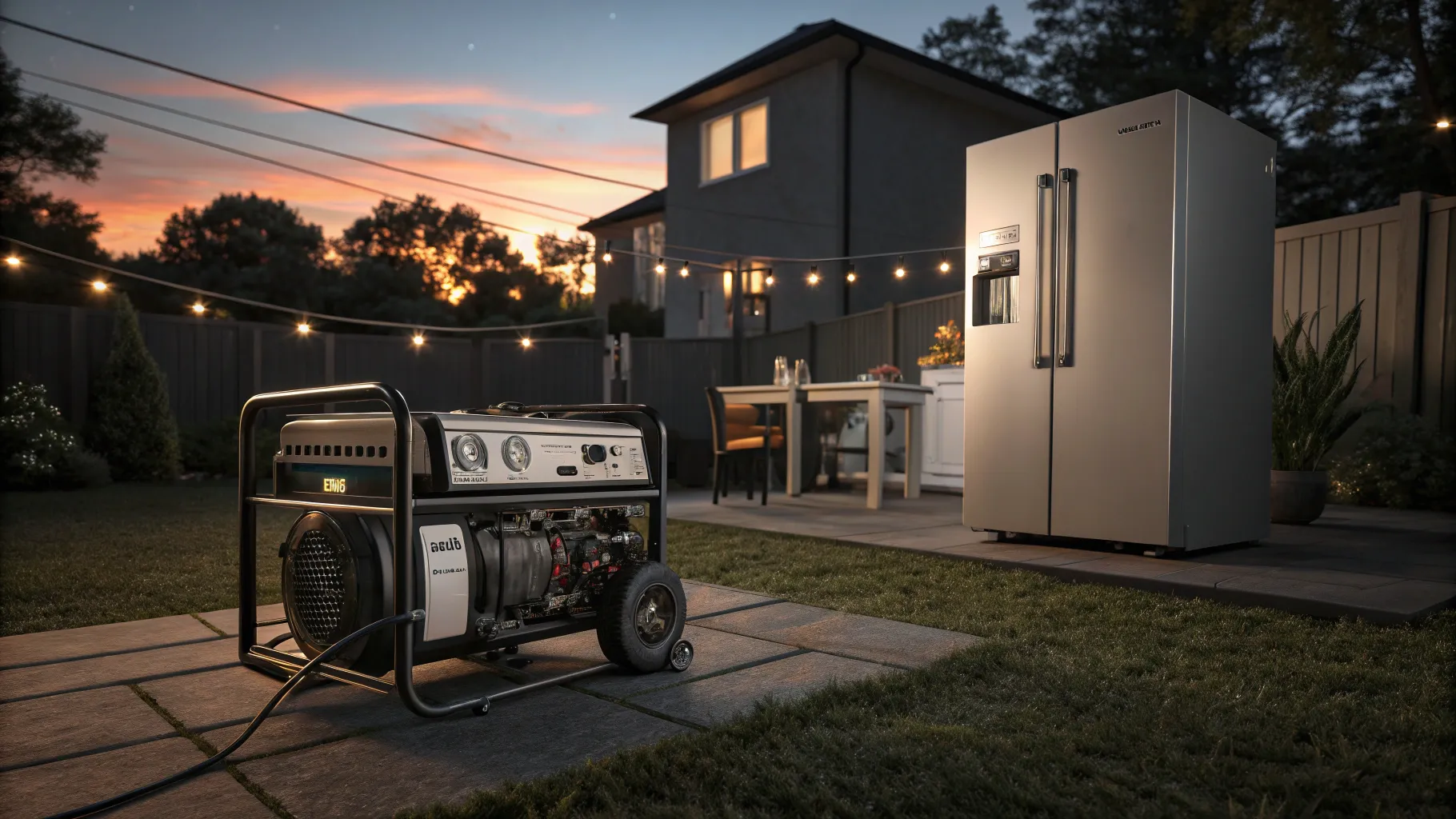
Understanding Portable Generators and Their Offerings
The essence of a portable generator lies in its ability to deliver backup power at a moment's notice. Unlike traditional standby generators, which are installed permanently and usually require professional installation, portable generators are designed to be quickly transported and set up as needed. Currently, they come in a variety of fuel types, including gasoline, propane, and even diesel. Each type has its advantages:
- Gasoline: The most common fuel type; it's readily available. However, it has a shorter shelf life compared to propane.
- Propane: Clean-burning and ideal for long-term storage. It offers a longer shelf life but can be less accessible than gasoline in emergencies.
- Diesel: Typically more fuel-efficient, diesel generators are favored for heavy-duty applications, especially in construction or commercial settings.
But the choice of fuel is just one aspect to consider. Perhaps one of the most critical attributes of any generator is its wattage capacity. Generators come rated for different wattage levels, and it's essential to choose one that can handle your key power needs. For instance, a small 1,000-watt generator may be sufficient for powering basic appliances like lights and phone chargers, but if you intend to run larger devices such as refrigerators or multiple tools, a higher capacity—between 3,000 and 7,000 watts—would be ideal. Understanding your power needs helps to avoid overloading the generator, ensuring it operates safely and efficiently.
When it comes to generator brands, there are a few names that stand out in the market today due to their reliability and performance. Brands like Honda, Champion, and Westinghouse have consistently delivered high-quality portable generators. For instance, Honda's EU2200i model is well-regarded for its quiet operation and fuel efficiency, making it perfect for camping or tailgate events. Champion’s 4500-watt inverter generator is another notable option, favored for its power output and great value. You can always find reviews and user experiences that help you make informed decisions, which is particularly useful when considering buying from online platforms.
The Role of Inverter Technology in Portable Generators
In recent years, inverter technology has transformed the landscape of portable generators, making them quieter and more efficient. Inverter generators produce clean power that’s safe for sensitive electronics, reducing the likelihood of damage. This is especially vital in today’s world where many devices—from laptops to televisions—are sensitive to fluctuations in voltage. Users have reported a definitive increase in reliability and performance with inverter generators, making them the preferred choice for many homeowners and outdoor enthusiasts alike.
One of the standout features of modern inverter generators is their ability to adjust their engine speed based on the power needed at any given time. This smart technology not only enhances fuel efficiency but also substantially reduces noise levels. For people in residential areas where noise might be a concern, having a generator that operates at a quieter decibel level—often between 50 to 60 dB—can be a significant selling point.
As we look toward more sustainable energy solutions, the future of portable generators also includes innovations in eco-friendly designs. For example, solar-powered portable generators are becoming more popular, offering a clean alternative that can produce power without emissions. In fact, such solutions appeal to environmentally-conscious consumers eager to reduce their carbon footprint.
Pricing Landscape for Portable Generators
When considering a portable generator, the price is often a major factor. As of 2025, the market offers a wide range of prices that reflect the generator's fuel type, wattage capacity, and technological features. On average, prices range from about $300 for entry-level models to upwards of $1,500 for high-capacity inverter generators. This price variance underscores the need to assess your specific needs against your budget. If you often face power outages or engage in activities like camping or RVing, investing in a quality generator that ensures reliability is crucial. Many consumers find that spending a little more upfront results in better long-term satisfaction and performance.
Moreover, it's worth noting that there are often seasonal discounts and sales events where consumers can snag high-quality generators at a lower price. Keeping an eye on sales during summer months or around holiday seasons can pay off significantly.
In addition to the initial purchase price, it is also wise to consider ongoing costs such as fuel, maintenance, and potential repairs. Taking a holistic view of expenses will help in making the most financially sound decision when investing in backup power solutions.
In summary, the technical advancements in portable generators have made them more efficient, easier to use, and environmentally friendly. While consumers have options that span a broad price range, understanding your needs relative to the generator's wattage capacity, fuel type, and technology is paramount. With popular brands leading the market and the rise of innovations like inverter technology, finding the right portable generator tailored to your requirements in 2025 has never been more accessible.
Authored by FreshLifeWire team