Pontoons for Pontoon Boats: A Complete Guide to Pontoon Tubes and Logs
Facts:
- Most pontoon boats use two or three hollow tubes.
- The trend for performance is shifting towards tri-toon designs for better stability.
The Foundation of Fun: Understanding Pontoon Boat Tubes
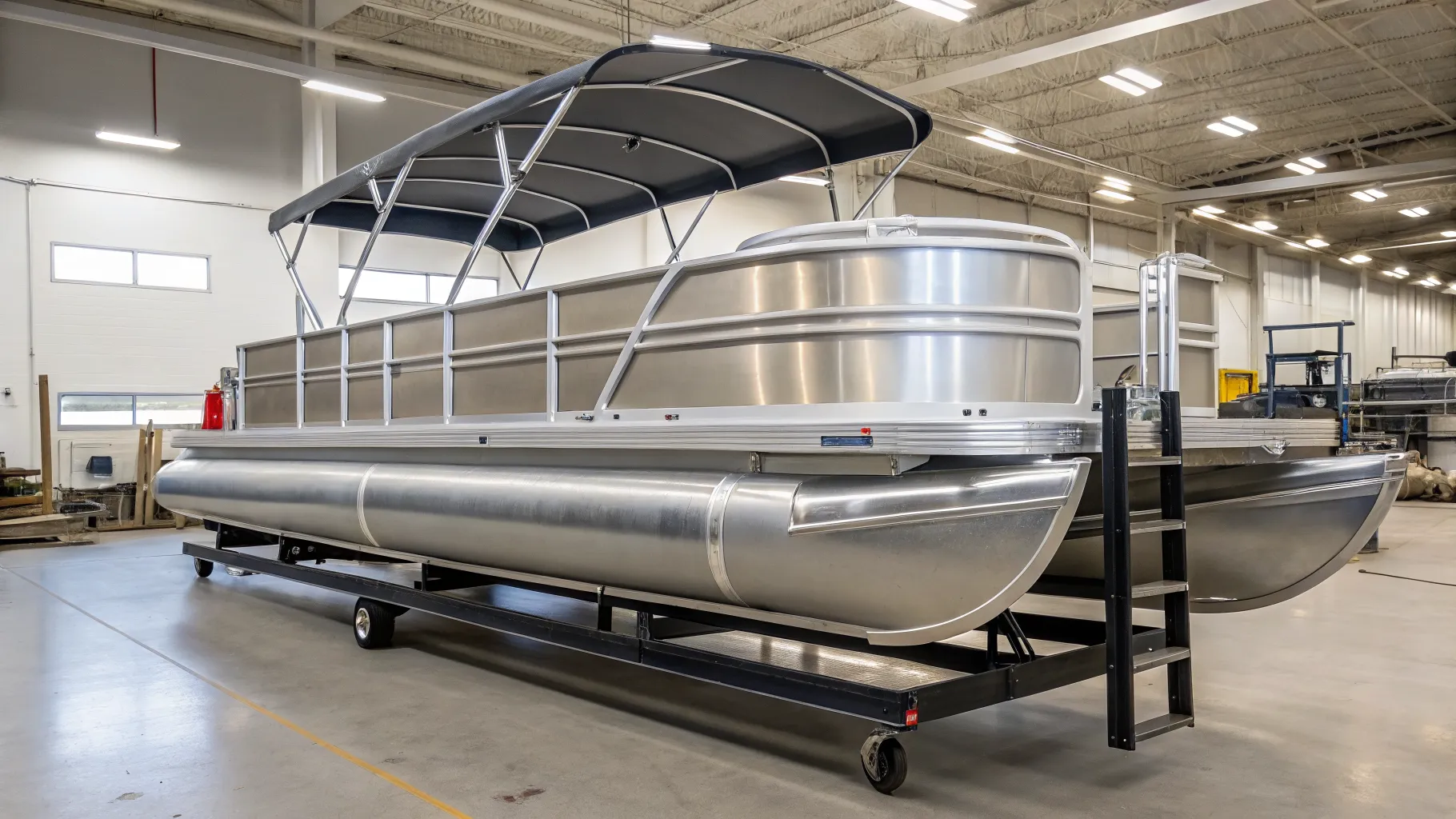
The very essence of a pontoon boat lies in its namesake: the pontoons. These large, buoyant tubes, often called pontoon boat logs, are the fundamental structures that provide flotation, stability, and the platform for all on-water activities. Unlike traditional V-hull boats, the design of a pontoon relies entirely on these sealed chambers to keep it afloat, making their construction, material, and configuration critically important. Whether you are a new owner or considering a pontoon replacement, understanding the nuances of these components is key to performance, safety, and longevity. The choice between a standard two-tube setup and a high-performance tri-toon can drastically alter a boat's handling, speed, and passenger capacity.
Anatomy of Pontoon Tubes: What Are They Made Of?
The vast majority of modern pontoon tubes are crafted from high-quality, marine-grade aluminum pontoons. This material is favored for its remarkable strength-to-weight ratio, which allows for large, buoyant structures without adding excessive weight to the vessel. This lighter weight translates to better fuel efficiency and easier trailering. Furthermore, aluminum is highly resistant to corrosion and rust, a crucial attribute for any component constantly submerged in water. Inside these logs, a system of baffles and chambers provides structural integrity, preventing the tube from collapsing under pressure and localizing any potential damage from a puncture. These bulkheads ensure that if one section is compromised, the entire pontoon does not fill with water, maintaining the boat's buoyancy and safety.
Twin-Tube vs. Tri-Toon: Choosing Your Configuration
The most significant decision regarding pontoons for pontoon boats is the number of tubes. The classic design features two outer pontoon boat logs. This setup is perfect for leisurely cruising, fishing on calm lakes, and entertaining small groups. It provides excellent stability at rest and low speeds. However, for those seeking higher performance, greater speed, and improved handling in choppy water, the tri-toon configuration is the superior choice. A tri-toon adds a third, often larger, central pontoon. This addition dramatically increases buoyancy, allowing for higher horsepower ratings and significantly more passenger capacity. The central tube also helps the boat bank into turns like a traditional V-hull, providing a more exhilarating and responsive ride, making it ideal for watersports like tubing and skiing.
The Importance of Pontoon Diameter and Shape
Beyond the number of tubes, their diameter and shape play a pivotal role in performance. Larger diameter pontoon tubes (e.g., 25-27 inches) displace more water, resulting in higher flotation. This means the boat rides higher on the water, creating less drag and enabling better performance and a drier ride. While smaller diameters are suitable for smaller boats on calm water, larger diameters are a must for bigger boats or those intended for rougher conditions. Additionally, some manufacturers offer U-shaped or elliptical pontoons instead of perfectly round ones. These modified shapes can provide more lift and a smoother ride, further blurring the lines between the comfort of a pontoon and the performance of a V-hull boat. Many high-performance aluminum pontoons also incorporate lifting strakes—small fins welded to the sides of the tubes—which provide extra lift at speed, helping the boat get on plane faster and achieve higher top speeds.
Maintenance and When to Consider Pontoon Replacement
Proper maintenance is essential for extending the life of your pontoon boat logs. Regular cleaning to remove marine growth and scum is crucial, as this can impede performance and hide potential issues. It's also important to periodically inspect the welds, seams, and nose cones for any signs of cracking, corrosion, or damage, especially after encountering underwater obstacles. For older boats, a pontoon replacement might become necessary due to extensive corrosion, irreparable leaks, or significant denting that affects performance. Upgrading can also be an opportunity to switch to a tri-toon setup or larger diameter tubes to enhance an older boat's capabilities. A professional assessment can help determine if a repair is sufficient or if a full pontoon replacement is the best course of action.
Actionable Advice for Pontoon Owners
- Regular Inspections: At the beginning and end of each season, conduct a thorough visual inspection of your aluminum pontoons. Look for dents, deep scratches, and any signs of corrosion, particularly around welds and brackets.
- Proper Cleaning: Use a specialized aluminum boat cleaner and a soft-bristle brush to remove algae and buildup. Avoid harsh, acidic cleaners that can damage the aluminum's protective oxide layer.
- Anode Checks: If you boat in saltwater, ensure your sacrificial anodes are intact and replace them when they are about 50% eroded. These small metal pieces protect your valuable pontoon tubes from galvanic corrosion.
- Check for Water Intrusion: Periodically check the drain plugs on your pontoons. If water comes out, it indicates a leak that needs to be located and professionally repaired immediately to prevent structural issues.
- Be Mindful of Load Capacity: Never exceed your boat's maximum weight capacity. Overloading puts immense stress on the pontoon boat logs and the entire boat structure, compromising safety and performance.
Frequently Asked Questions
Can you repair a dented pontoon tube?
Yes, minor dents in aluminum pontoons can often be repaired by marine fabrication specialists. They may use pressure or specialized tools to push the dent out. However, severe dents or those with creases may compromise structural integrity and could necessitate a section replacement or a full pontoon replacement.
How do you find a leak in a pontoon boat log?
To find a leak in one of your pontoon boat logs, you can use a soap and water solution. Pressurize the tube with a low-pressure air source (like a shop vac on reverse) and apply the soapy water to the exterior. Bubbles will form at the location of the leak. This should be done carefully to avoid over-pressurizing the tube.
Is a tri-toon worth the extra cost?
For most boaters seeking enhanced performance, stability in rough water, and higher capacity for passengers or watersports, a tri-toon is absolutely worth the investment. It transforms the boat's handling and capabilities, offering a ride that competes with many traditional monohull boats while retaining the pontoon's inherent comfort and space.
References
- Boating Magazine - Pontoon Performance Guide
- National Marine Manufacturers Association (NMMA) Reports
- Marine-Grade Aluminum Alloy Specifications
- Pontoon & Deck Boat Journal
Authored by FreshLifeWire team