Pomegranate juice for heart health improves circulation
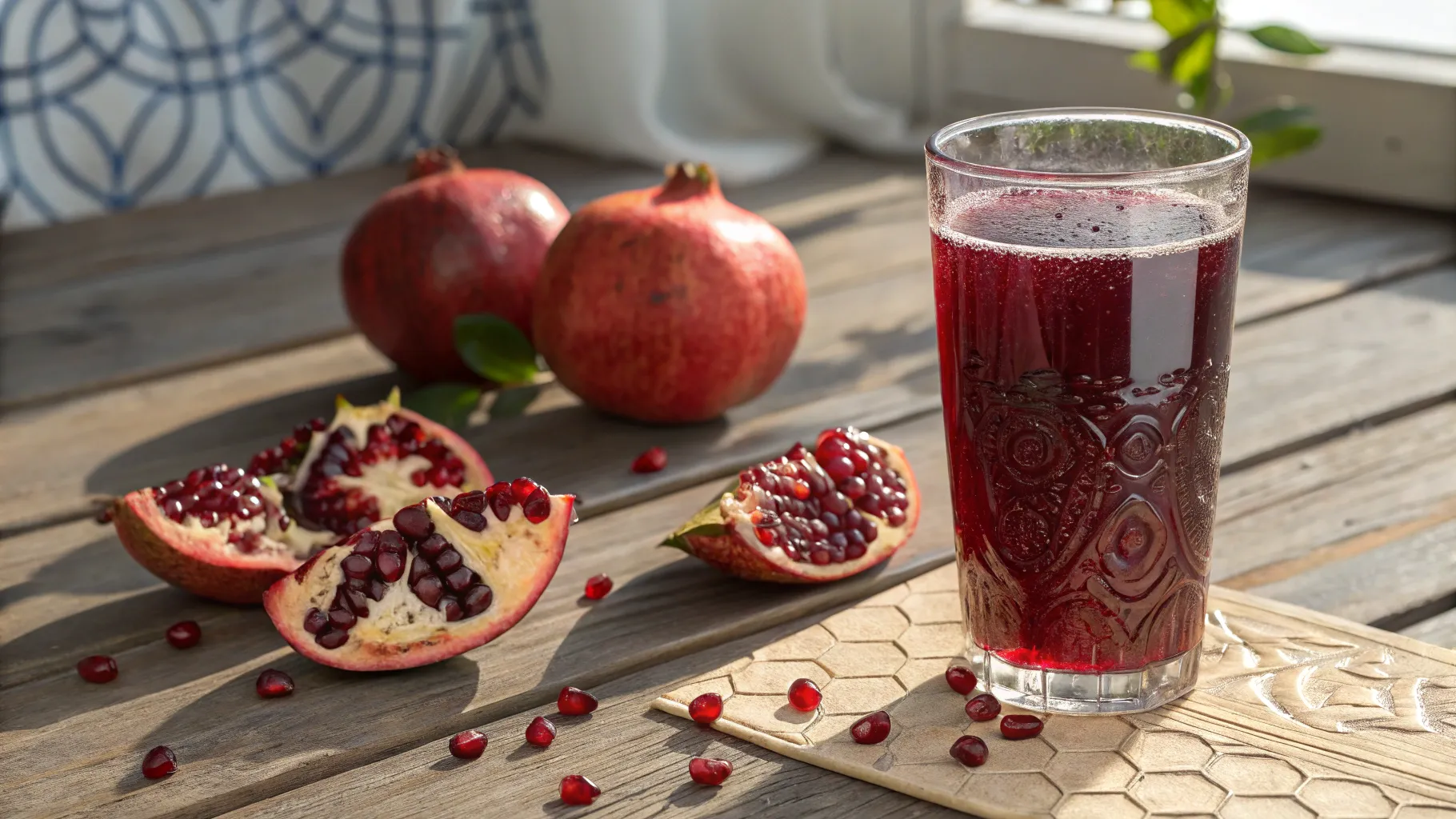
In 2025, many people look for heart friendly options that complement medical care. Pomegranate juice stands out thanks to punicalagins and other antioxidants that help shield blood vessels from oxidative stress. It is important to remember that juice is not a cure for blocked arteries. It works best when combined with medical treatment and a healthy lifestyle. Recent studies in 2025 show small but meaningful improvements in endothelial function after regular juice intake over several weeks. Results vary based on age, existing health conditions, and overall diet, but the trend remains positive for those who include it as part of a broader plan.
From a practical standpoint researchers focus on how the inner lining of arteries, the endothelium, responds to polyphenol rich beverages like pomegranate juice. A healthier endothelium relaxes blood vessels more readily, which can improve circulation and reduce fatigue during daily activities. In 2025 some small trials report modest improvements in vascular function after weeks of consistent intake, offering a realistic picture of what is achievable for many people living with risk factors such as high cholesterol or hypertension. Individual results depend on baseline health, lifestyle, and the total quality of the diet.
- Improve circulation: Regular intake may help arteries dilate more easily, potentially translating to steadier energy during daily tasks and better exercise tolerance.
- Reduce cholesterol naturally: A portion of trials describe modest LDL cholesterol reductions when polyphenol rich juice is consumed over time, though findings are not uniform across all studies.
- Antioxidant protection: The polyphenols help counter oxidative stress, a key contributor to artery damage and inflammatory signaling in blood vessels.
- Dietary synergy: Pairing juice with a heart healthy pattern—high fiber, vegetables, lean proteins, and healthy fats—amplifies benefits and supports overall vascular wellness.
Pomegranate juice for blocked arteries in 2025
For practical use, aim for about 4 to 8 ounces of 100 percent pomegranate juice daily, with no added sugar. This amount fits into many balanced meal plans and lets you savor the flavor without overdoing sugar calories. If you manage blood sugar or calories, monitor how juice fits into your daily plan and balance it with other nutrient dense choices. Consider swapping one sugary beverage for a glass of juice and filling the rest of the day with high fiber foods to slow sugar absorption.
Beyond the juice, a broader heart health approach matters. Along with pomegranate juice you should emphasize fiber rich foods such as vegetables, legumes, nuts and seeds, along with lean proteins and healthy fats. This dietary pattern helps manage cholesterol, supports blood pressure, and promotes healthier arteries. Regular physical activity and weight management further boost the impact of dietary choices. In the past six months, consumer reviews and clinical updates highlight reading product labels carefully because some ready made beverages market themselves as healthy options but include added sugars or blends that dilute the benefits. Staying mindful about product ingredients is part of making pomegranate juice work as intended.
Not all products are created equal. Look for 100 percent juice with no added sugars and check fiber content and calories per serving. Some bottled blends or "fruit nectars" can hide extra sugars. Reading labels helps you choose options that align with your goals and keeps your overall plan stable over time.
Pomegranate juice for blocked arteries and heart health in daily life 2025
Practically speaking, pomegranate juice serves as a flavorful companion to a heart healthy lifestyle rather than a stand alone solution. You can use it as a daily habit that supports other proven strategies: fiber rich meals, regular physical activity, sleep discipline, and stress management. In 2025 clinicians emphasize that the juice should fit into an overall plan, especially for people with diabetes or those taking blood thinners. While it supports endothelial function and may offer modest improvements in certain vascular markers, it does not replace medical treatment or prescribed therapies.
In real life, many readers report feeling more energized after incorporating a moderate daily juice routine, particularly when it replaces a high sugar beverage. Others note that the flavor helps them stick with healthier choices longer. The key is consistency, portion control, and choosing products that keep sugar intake in check. If you have questions about how pomegranate juice fits your personal risk factors, talk with your clinician or a registered dietitian who can tailor guidance to your medications and goals.
Practical tips to incorporate pomegranate juice
- Start with a small daily amount and adjust based on taste and energy needs.
- Pair juice with high fiber foods at meals to slow sugar absorption and improve satiety.
- Use juice as a glaze for lean meats or roasted vegetables to add flavor without excess calories.
- Blend a splash into smoothies with berries and leafy greens for an easy nutrient boost.
Remember that no single food saves the heart. A heart healthy pattern includes fiber rich foods, vegetables, whole grains, lean proteins, healthy fats, and regular physical activity. If you have high cholesterol, high blood pressure, or a history of heart disease talk with your clinician about how pomegranate juice fits into your personal plan.
Safety and considerations
People with diabetes should monitor sugar content and portion size. Pomegranate juice can interact with certain medications, such as anticoagulants, in rare cases, so talk with a health professional if you take blood thinners or antibiotics. Pregnant or nursing individuals should discuss any diet changes with their doctor. Always choose products with minimal processing and no added sweeteners. In 2025 the evidence continues to grow, prompting researchers to explore additional benefits and potential limitations. Pomegranate juice is best framed as a tasty supportive option rather than a cure for blocked arteries. When used as part of a broader lifestyle plan it may contribute to better circulation and heart health over time.
Authored by FreshLifeWire team