Brilliant Pollinator Garden Design Ideas to Attract Bees and Butterflies
Facts:
- One out of every three bites of food depends on pollinators.
- A growing trend for homeowners is creating micro-habitats through pollinator friendly landscaping.
Transforming Your Yard into a Pollinator Paradise
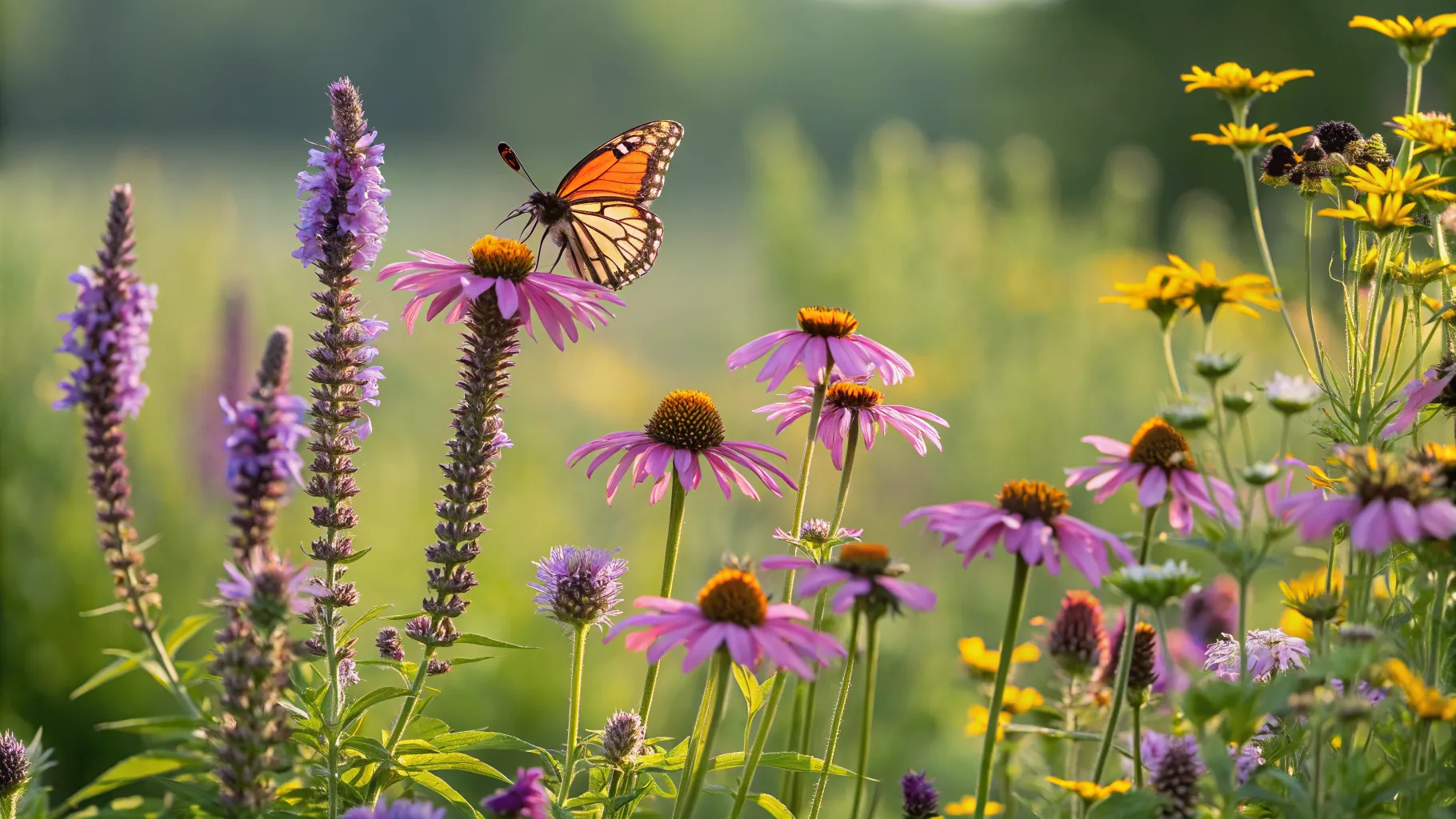
Creating a vibrant sanctuary for bees, butterflies, and other essential creatures is more than just a gardening trend; it's a vital contribution to our ecosystem. With the right pollinator garden design ideas, you can turn any space, large or small, into a bustling hub of life. This guide will walk you through everything you need to know about how to create a pollinator garden, from selecting the perfect plants to arranging them for maximum impact and ecological benefit.
Foundational Principles of Pollinator Friendly Landscaping
Before you even purchase a single plant, understanding the core principles of pollinator friendly landscaping is crucial for long-term success. The first step is assessing your site. Observe how much sun different areas of your yard receive throughout the day, as most plants that attract pollinators thrive in full sun (at least six hours daily). You should also consider your soil type and water drainage. While some native plants are adapted to poor soil, most will benefit from amending the soil with compost to improve its structure and fertility. A successful garden is an ecosystem, and providing the right foundation of sun, soil, and water is the most important part of learning how to create a pollinator garden that thrives for years to come.
Choosing the Best Plants That Attract Pollinators
The heart of any pollinator garden is, of course, the plants. The goal is to provide a continuous buffet of nectar and pollen from early spring through late fall. The most effective strategy is to focus on native plants, as local pollinators have co-evolved with them. When selecting plants that attract pollinators, aim for a wide variety of flower shapes, sizes, and colors to attract a diverse range of species. For example, long-tubed flowers like Penstemon are perfect for hummingbirds, while composite flowers like Asters provide a landing pad for butterflies. Incorporating a mix of perennials, annuals, shrubs, and even trees will create a multi-layered habitat that supports the entire life cycle of many creatures. This is a cornerstone of effective pollinator garden design ideas.
Essential Perennials for Season-Long Blooms
Perennials form the backbone of your garden, returning year after year. For brilliant summer color and a magnet for bees and butterflies, Coneflowers (Echinacea) and Black-eyed Susans (Rudbeckia) are must-haves. In late summer and fall, Sedum 'Autumn Joy' and various species of Aster provide crucial late-season food sources. These are some of the best flowers for bees and butterflies because they are hardy and provide reliable blooms.
Annuals to Supercharge Your Garden
While perennials establish themselves, annuals can fill in the gaps with an explosion of color and nectar. Zinnias, Cosmos, and Sunflowers are incredibly easy to grow from seed and will bloom profusely all summer long. They are fantastic choices when considering which plants that attract pollinators will provide the most immediate impact. This strategy ensures your garden is buzzing with activity from the very first season.
Smart Layouts and Creative Pollinator Garden Design Ideas
Effective design goes beyond just plant selection. One of the most impactful pollinator garden design ideas is to plant in large drifts or clumps of the same species rather than dotting individual plants around. These large clusters create a more visible target for pollinators, making it easier for them to find the food source and forage efficiently. Also, think in layers. Place taller plants at the back of your border, with medium-sized plants in the middle and low-growing varieties at the front. This creates a visually appealing tapestry and ensures all plants get adequate sunlight. This layered approach is a hallmark of thoughtful pollinator friendly landscaping, providing both beauty and function.
Actionable Steps for a Thriving Garden
Knowing how to create a pollinator garden involves more than just planting. It requires ongoing stewardship to ensure it remains a safe and productive habitat. Here are some critical steps to take:
- Provide a Water Source: A shallow dish or birdbath with pebbles or stones for pollinators to land on provides a vital source of hydration, especially during hot, dry weather.
- Avoid All Pesticides: The most important rule of pollinator friendly landscaping is to eliminate the use of pesticides, herbicides, and fungicides. These chemicals can be lethal to pollinators and other beneficial insects. Embrace natural pest control methods instead.
- Offer Shelter and Nesting Sites: Leave some bare ground for ground-nesting bees, and consider installing a bee hotel. Piles of logs or leaves can also provide overwintering habitat for many species, including butterfly pupae.
- Plan for All Seasons: Ensure you have plants blooming from early spring (like crocuses) to late fall (like goldenrod). This provides a continuous food source. Also, leave seed heads on plants like coneflowers over the winter to feed birds.
Frequently Asked Questions
What are the easiest flowers for bees and butterflies to start with?
For beginners, some of the most reliable flowers for bees and butterflies include Coneflowers (Echinacea), Black-eyed Susans (Rudbeckia), Zinnias, and Salvia. These are hardy, bloom for a long time, and are highly attractive to a wide range of pollinators.
How long does it take to see results after implementing pollinator garden design ideas?
You can see pollinators visit new annual plants within weeks! For a perennial-based garden, it might take a full season to establish, but you'll notice an increase in activity in the first year. The key to successful pollinator friendly landscaping is patience and providing consistent resources.
Do I need a large yard for these pollinator garden design ideas?
Absolutely not! You can apply these pollinator garden design ideas to any scale. A collection of pots on a balcony, a small flower bed, or a window box filled with the right plants that attract pollinators can make a significant difference and become a crucial stopover for local wildlife.
References
- National Wildlife Federation: Garden for Wildlife
- Xerces Society for Invertebrate Conservation
- Local University Agricultural Extension Services
- Pollinator Partnership
Authored by FreshLifeWire team