Pneumonia Shots for Seniors How Often and Benefits
Pneumonia Shots for Seniors How Often Should You Get Them
Pneumonia is not just a common lung infection but also a significant health threat to seniors. Each year, thousands of older adults are hospitalized due to severe pneumonia. This makes pneumonia shots crucial for safeguarding their health. The pneumococcal vaccines are the primary means of preventing pneumonia, and they guard against various bacteria that can lead to pneumonia, meningitis, and bloodstream infections.
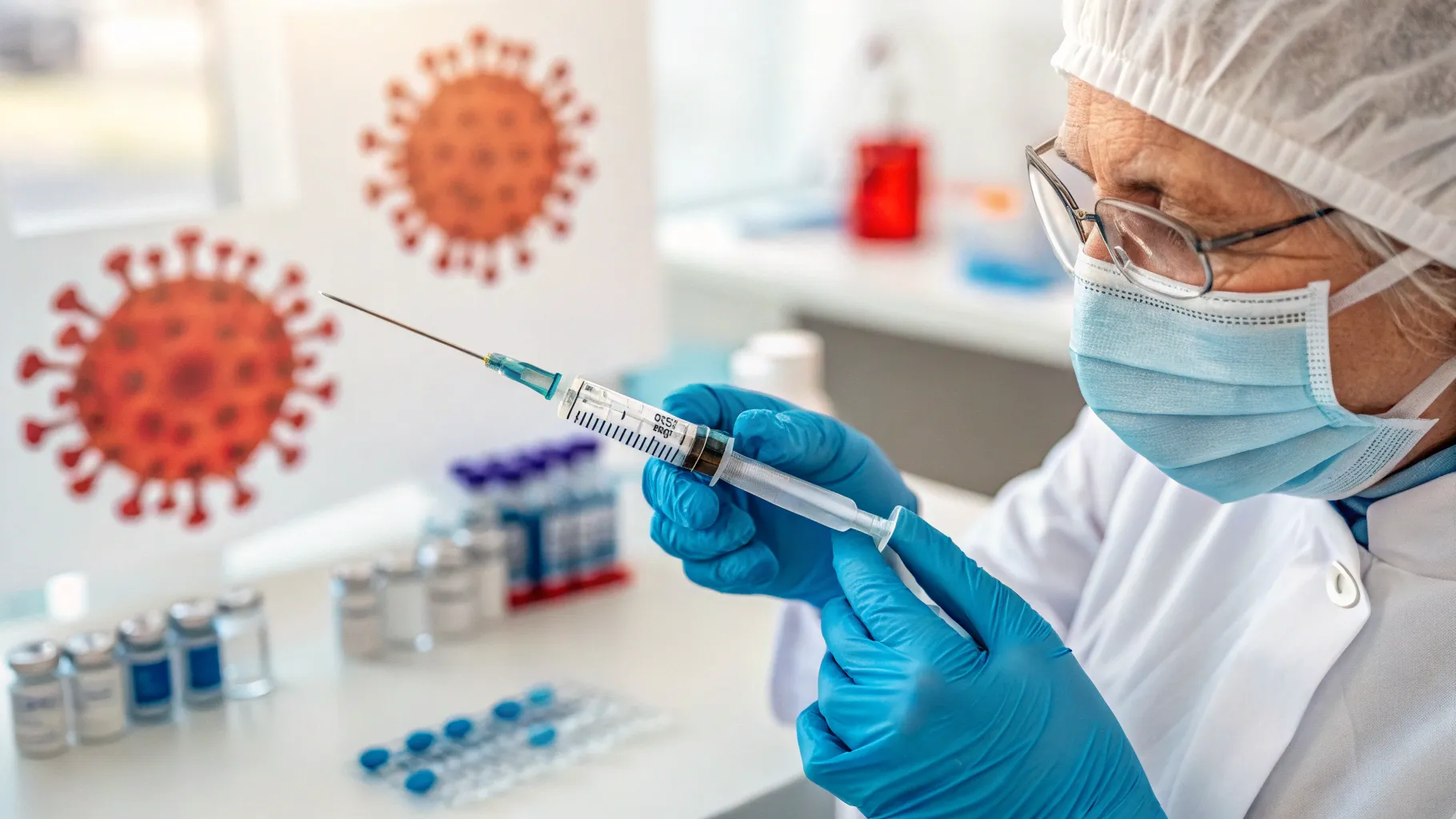
Understanding the Pneumonia Vaccines
In 2025, recommendations surrounding pneumonia vaccinations for seniors have evolved, helping older adults to stay healthier than ever. The two main types of pneumococcal vaccines are Pneumococcal Conjugate Vaccine (PCV13) and Pneumococcal Polysaccharide Vaccine (PPSV23). Each vaccine has a unique role and is given at different times throughout the life of an older adult.
- PCV13: This vaccine is typically given to children under the age of two and adults aged 65 and older to protect against 13 types of bacteria responsible for pneumonia.
- PPSV23: It is specifically recommended for adults aged 65 and older, offering protection against 23 types of bacteria, and is usually administered alongside PCV13.
The goal of these vaccines is to bolster the immune response against the bacteria known to cause pneumonia, significantly enhancing the wellbeing of senior citizens.
When Should Seniors Get Pneumonia Shots
The schedule for pneumonia vaccinations is personalized based on an individual's health status and vaccination history. Here’s a general breakdown:
- For seniors who have never received PCV13, it should be administered first, followed by the PPSV23 shot at least a year later.
- If a person has already received PPSV23 before hitting 65, they are still recommended to get PCV13.
- After getting vaccinated, seniors should wait five years before receiving another dose of PPSV23.
Health professionals often evaluate older adults based on their individual health situations and may suggest re-vaccination depending on conditions like weakened immune systems or chronic diseases. For example, seniors battling diabetes or heart conditions might need different timing for their vaccinations.
The Health Benefits of Pneumonia Shots for Seniors
Understanding why pneumonia shots are important can significantly influence health decisions for older adults. Recent studies have shown that the effectiveness of pneumococcal vaccines in preventing pneumonia among seniors is impressive, boasting a prevention rate of around 60-75%. Moreover, for vaccinated individuals who do contract pneumonia, the resulting symptoms are often less severe than those experienced by unvaccinated seniors.
Hospitalization can be a daunting experience for anyone, especially older adults. Vaccination decreases the chances of severe complications from pneumonia, meaning many seniors can avoid the hospital all together. This not only lessens the burden on the healthcare system but also has a profound impact on the quality of life for affected seniors. A remarkable, yet often overlooked benefit, is that vaccines help prevent secondary infections and illnesses that could compromise an aging adult's already-fragile health. Recovery periods are generally much swifter for vaccinated individuals.
Possible Side Effects of Pneumonia Vaccination
As with any vaccine, receiving pneumonia shots may lead to side effects, although they are typically mild and temporary. Common side effects include:
- Redness or swelling where the shot was given
- Mild fever
- Fatigue or aches in the body
Severe allergic reactions are exceedingly rare, and most people tolerate the vaccines well. It is always wise for seniors to have an open conversation with their healthcare providers about potential side effects and any specific concerns they have.
Staying Informed on Vaccination Timing
The landscape of healthcare is continually evolving, and vaccination schedules are regularly updated based on the latest research and recommendations from trusted health organizations. In 2025, the Centers for Disease Control and Prevention (CDC) strongly advocates for seniors to keep their vaccinations up-to-date as a primary strategy in preventing pneumonia. Healthcare providers often encourage seniors to engage in discussions about their vaccine status during routine check-ups, especially as new strains of bacteria can emerge that threaten their health.
In addition to pneumonia vaccinations, older adults should not overlook the importance of getting an annual flu shot. Influenza is a significant precursor to pneumonia infections, and getting vaccinated against it can further enhance their respiratory health. Based on emerging evidence, combining these vaccinations into a routine helps fortify seniors' defenses against respiratory illnesses.
Monitoring Your Vaccination Needs
In summary, understanding the administration and necessity of pneumonia shots is vital for seniors. Tailored vaccination schedules ensure older adults get the protection they need based on individual health backgrounds. Regular discussions with healthcare providers create a robust framework for staying informed and protected over time. These vaccinations do not merely represent a preventive measure; they encompass a proactive step toward promoting the overall health and vitality of seniors. As we navigate the complexities of health in 2025, one truth remains clear: pneumonia shots significantly elevate the protective barriers against diseases threatening older adults, enabling them to lead healthier lives with more confidence.
Authored by FreshLifeWire team