Pioneering Hydraulic Fluid Reservoirs 2025
Understanding Hydraulic Fluid Reservoirs in 2025
Today, in 2025, hydraulic systems are more than just auxiliary components in various industries; they are the driving force behind machinery in construction, aviation, and manufacturing. At the heart of these systems lie hydraulic fluid reservoirs, components that, although often underrated, perform myriad essential roles. Embracing innovation and sustainability, reservoirs in 2025 continue to evolve, making hydraulic systems more efficient and eco-friendly.
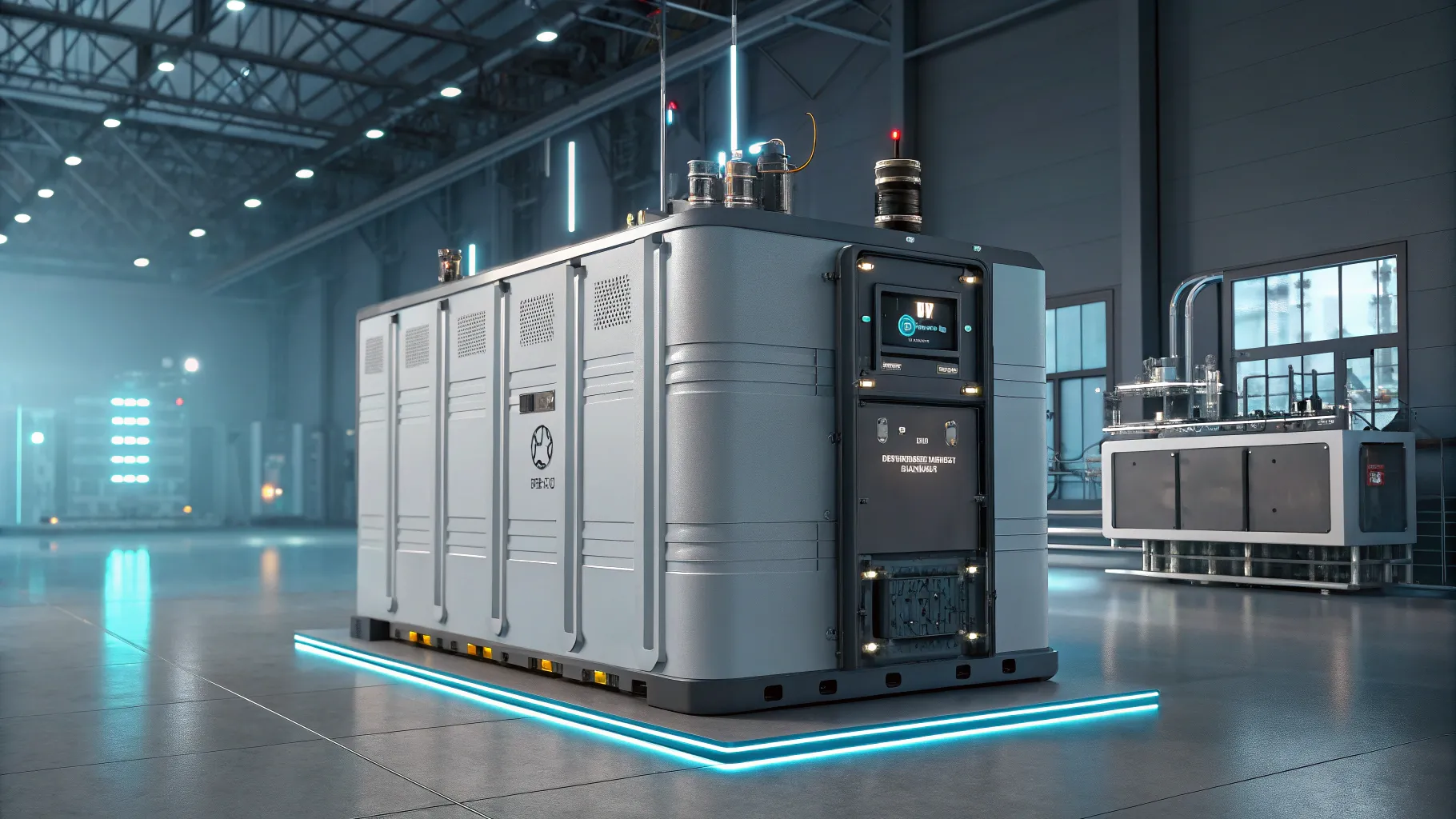
The Essential Role of Hydraulic Reservoirs
Hydraulic reservoirs perform key functions that ensure the reliability and efficiency of hydraulic systems. Primarily, they serve as storage units for hydraulic fluid, but their importance extends far beyond mere containment. Here are some of their significant roles:
- Heat Management: The hydraulic systems generate considerable heat during operation. Reservoirs act as heat exchangers, dissipating this excess energy and helping to maintain optimal system temperatures.
- Impurity Filtration: As the fluid circulates, it can accumulate dirt and debris. Reservoirs allow these particles to settle, promoting cleaner hydraulic cycles and protecting sensitive components from premature wear.
- Air Release: Air bubbles can interfere with fluid power transmission. The reservoir provides a space where entrained air can escape, ensuring smooth, efficient operation.
Innovative Types of Hydraulic Reservoirs
The diversity in reservoir designs continues to expand, integrating new technologies and materials. In 2025, several types of reservoirs stand out:
- Vented Reservoirs: These designs feature vents allowing for pressure equalization with the atmosphere. This type remains prevalent because of its simplicity and robustness, particularly in moderate applications.
- Pressurized Reservoirs: By using compressed gas, these tanks keep the system fluid under a constant high pressure, which minimizes the risk of cavitation and enhances flow dynamics, proving essential in high-demand operations.
- Kidney Loop Reservoirs: With advances in filtration technology, these have become industry favorites. They include separate circuits that effectively and continuously purify the hydraulic fluid, which is crucial for maintaining system integrity in contamination-sensitive environments.
Design Advancements and Benefits
In the pursuit of efficiency and sustainability, reservoir designs have seen significant advancements. A pivotal study by a Wisconsin-based construction company showed that optimizing their reservoir designs led to a 22% reduction in machinery downtime over the past six months. Such improvements in design help eradicate flow bottlenecks and ensure consistent hydraulic performance.
Today's reservoirs boast increased thermal management capabilities thanks to larger capacities and superior material choices. Many manufacturers are choosing materials that are not only durable but also recyclable, striking a balance between functionality and environmental responsibility.
Emerging Trends with Smart Reservoirs
The fusion of IoT with hydraulic reservoirs has ushered in the era of "smart" systems. By incorporating IoT sensors, these systems now provide real-time monitoring capabilities, delivering important data directly to operators. A recent review from a New York machinery supplier highlights a 38% reduction in unexpected downtimes since adopting smart hydraulic systems.
This interconnectedness allows for preemptive maintenance strategies — operators receive alerts about potential issues, such as declining fluid levels or temperature spikes, ensuring timely interventions without disrupting workflow.
Choosing the Right Hydraulic Reservoir
When selecting a hydraulic reservoir, several essential factors come into play. A well-fitted reservoir depends on:
- System Pressure: Reservoirs need to withstand the system's operating pressure, requiring robust construction for high-pressure environments.
- Environmental Factors: In hostile or variable climates, reservoirs made of materials with superior temperature resilience ensure consistent performance.
- Volume Needs: The reservoir should match the hydraulic system's fluid capacity requirements, ranging from compact designs for mobile applications to large tanks for stationary implementations.
In 2025, hydraulic reservoirs are not mere fluid containers; they are critical, technologically advanced elements that keep hydraulic systems at peak performance. As these components continue to evolve, they underline the industry's commitment to sustainability and efficiency, promising innovations that are both ecologically and economically beneficial.
Authored by FreshLifeWire team