Pilates for Seniors: A Complete Guide to Strength and Mobility
Facts:
- Pilates improves core strength and balance at any age.
- A major trend for seniors is low-impact exercise for joint health and longevity.
Why Pilates is the Perfect Low-Impact Exercise for a Healthier Senior Life
As we age, maintaining mobility, strength, and balance becomes paramount. For many, high-impact workouts are no longer a viable option, leading to a search for effective yet gentle alternatives. This is where pilates for seniors shines as a transformative practice. It focuses on controlled movements, core strength, and mindful breathing, making it an ideal regimen to enhance physical well-being without stressing the joints. Whether you are exploring pilates for seniors at home or in a class setting, the benefits are vast and accessible to everyone, promoting a more active and independent lifestyle.
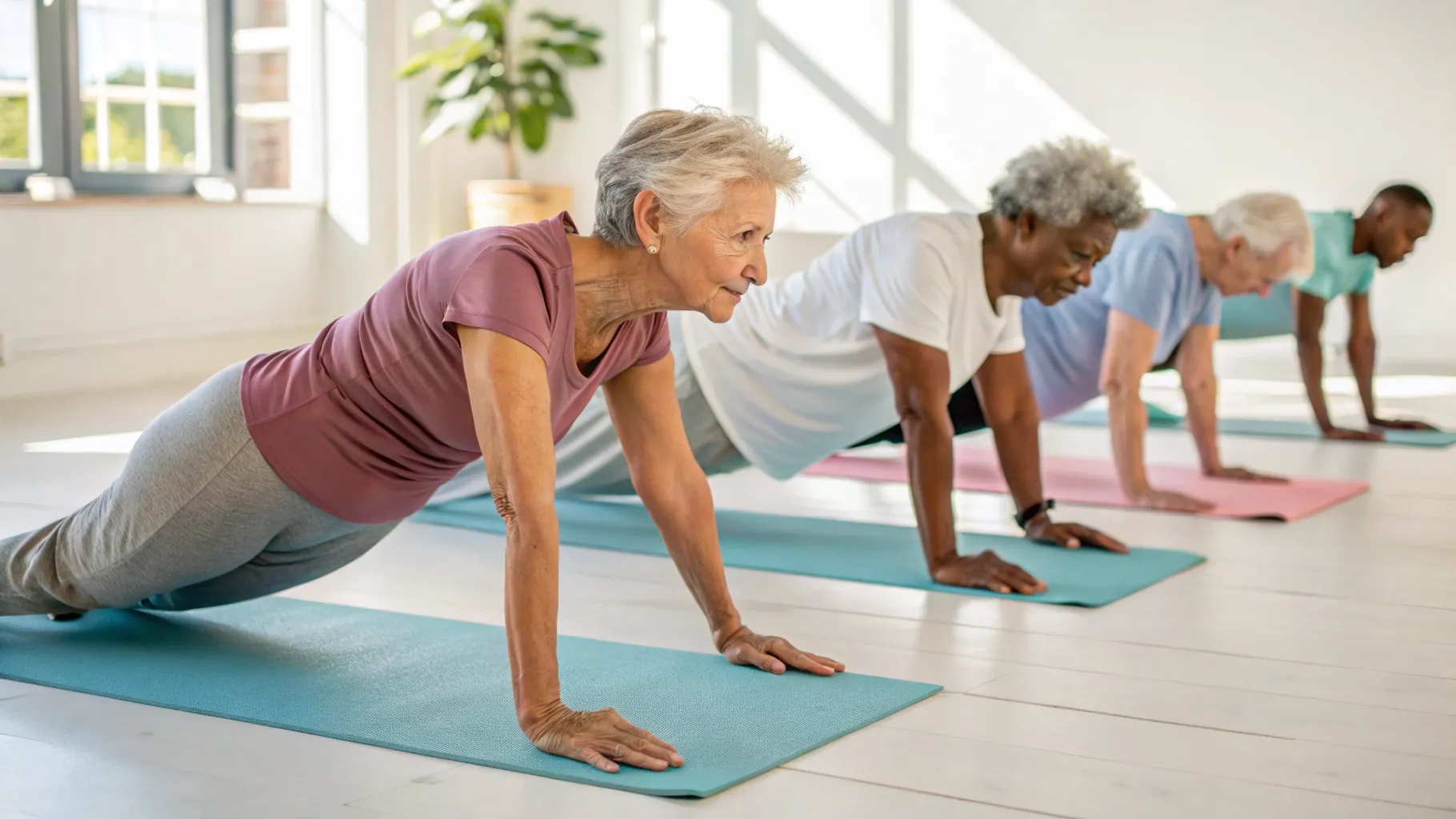
Core Benefits of Pilates for Seniors Over 70
The advantages of adopting a regular Pilates routine are particularly profound for those in their golden years. A primary benefit is the significant improvement in core strength, which is the foundation for all movement. A strong core helps with posture, reduces back pain, and enhances stability, directly lowering the risk of falls. Furthermore, the focus on controlled breathing in pilates exercises for seniors promotes better lung capacity and circulation. For individuals exploring pilates for seniors over 70, this practice also boosts body awareness (proprioception), helping to create a stronger mind-body connection that is crucial for coordinated and safe movement in daily life. Flexibility is another key area of improvement, as the gentle stretching involved helps to lengthen muscles and increase the range of motion in joints without causing strain.
Getting Started: Pilates for Seniors at Home
One of the greatest appeals of Pilates is its adaptability. You don't need a fancy studio to begin reaping the rewards. Starting with pilates for seniors at home is an excellent and convenient option. All you need is a comfortable mat and some space. Many online resources offer guided sessions specifically designed for older adults. When starting out, focus on foundational moves. The 'Pelvic Curl' is fantastic for spine articulation and hamstring strength. The 'Hundred' (in a modified, legs-bent position) is a classic exercise for building core endurance. It's crucial to listen to your body and modify exercises as needed. Remember, consistency is more important than intensity, especially when beginning a new fitness journey. Establishing a routine of pilates for seniors at home can be a powerful step towards independent and active living.
Chair Pilates for Seniors: Accessibility and Support
For those with limited mobility, balance concerns, or who find getting on and off the floor challenging, chair pilates for seniors is a game-changing alternative. This modified version of Pilates uses a sturdy chair for support, making the exercises accessible to a wider range of individuals. In chair pilates for seniors, you can perform movements that target the core, arms, and legs while seated or using the chair for stability during standing exercises. For example, seated leg lifts can strengthen quadriceps, while seated spinal twists can improve mobility in the torso. This approach ensures that the core principles of Pilates—control, concentration, and centering—are upheld, providing a safe yet highly effective workout that builds strength where it matters most for daily activities.
Essential Pilates Exercises for Seniors
To get the most out of your practice, it's helpful to know a few key movements. These foundational pilates exercises for seniors are designed to be safe and effective, building a strong base for your fitness. Below are some examples you can incorporate into your routine, whether at home or in a class.
- The Bridge (Pelvic Curl): Lie on your back with knees bent and feet flat on the floor. Slowly lift your hips toward the ceiling, creating a straight line from your shoulders to your knees. This strengthens the glutes, hamstrings, and lower back. It's a cornerstone of pilates for seniors.
- Leg Circles: Lying on your back, extend one leg up and make small, controlled circles in the air. This improves hip mobility and core stability. Remember to keep your pelvis still. This is excellent for those practicing pilates for seniors over 70.
- Spine Stretch Forward: Sit tall with your legs extended in front of you. Inhale to lengthen your spine, and exhale as you round forward, reaching for your toes. This is an excellent stretch for the back and hamstrings.
- Wall Push-ups: Stand facing a wall and place your hands on it at shoulder height. Lean in and push back, keeping your core engaged. This is a safe way to build upper body strength without putting stress on the wrists.
Pilates vs. Yoga for Seniors: A Quick Comparison
Many seniors wonder about the difference between Pilates and yoga. While both are excellent low-impact options, they have different focuses. Yoga often incorporates spiritual elements and holding poses for extended periods (asanas) to build flexibility and strength. Pilates, on the other hand, was developed as a system of physical rehabilitation. It emphasizes core strength, muscle control, and precise movements. For seniors specifically concerned with improving posture, addressing muscle imbalances, and building functional core strength to prevent falls, pilates for seniors is often considered a more targeted approach. However, the best choice is subjective; some may prefer the meditative flow of yoga, while others will benefit more from the structured, controlled nature of the pilates exercises for seniors.
Frequently Asked Questions
Is pilates for seniors safe for beginners?
Absolutely. Pilates is highly adaptable, making it one of the safest forms of exercise for older adults. It is recommended to start with a beginner class or a certified instructor who can provide modifications to ensure proper form and safety. Chair pilates for seniors is an especially safe starting point for anyone with balance or mobility concerns.
How often should a senior do Pilates?
For optimal results, practicing pilates for seniors two to three times per week is ideal. This frequency allows for muscle recovery and consistent progress. Even 15-20 minutes of pilates for seniors at home on a regular basis can yield significant benefits.
Do I need special equipment for pilates exercises for seniors?
No, you do not need special equipment to start. Mat Pilates, which uses your own body weight for resistance, is very effective. As you progress, you might consider adding light resistance bands or a Pilates ring, but they are not necessary for a great workout at home.
Can pilates for seniors over 70 help with arthritis?
Yes, the gentle and controlled movements in Pilates can be very beneficial for those with arthritis. It helps to strengthen the muscles around the joints, which can reduce pain and improve function. Always consult with your doctor before starting any new exercise program.
References
- National Institute on Aging - Exercise and Physical Activity
- The Pilates Method Alliance - Benefits of Pilates for the Aging Population
- Journal of Bodywork and Movement Therapies - Effects of Pilates on Balance and Fall Risk in Older Adults
- American Council on Exercise - Senior Fitness Guides
Authored by FreshLifeWire team