Pilates Benefits and Safe Exercises for Seniors
Pilates for Seniors Understanding the Benefits
Pilates is a low-impact exercise method that has gained popularity among older adults for its numerous health benefits. In 2025, many seniors are discovering how Pilates can enhance their quality of life. Research shows that participants who engage in Pilates report increased flexibility, improved balance, stronger core muscles, and reduced chronic pain. But what exactly makes Pilates especially suitable for seniors, and what should you know before starting?
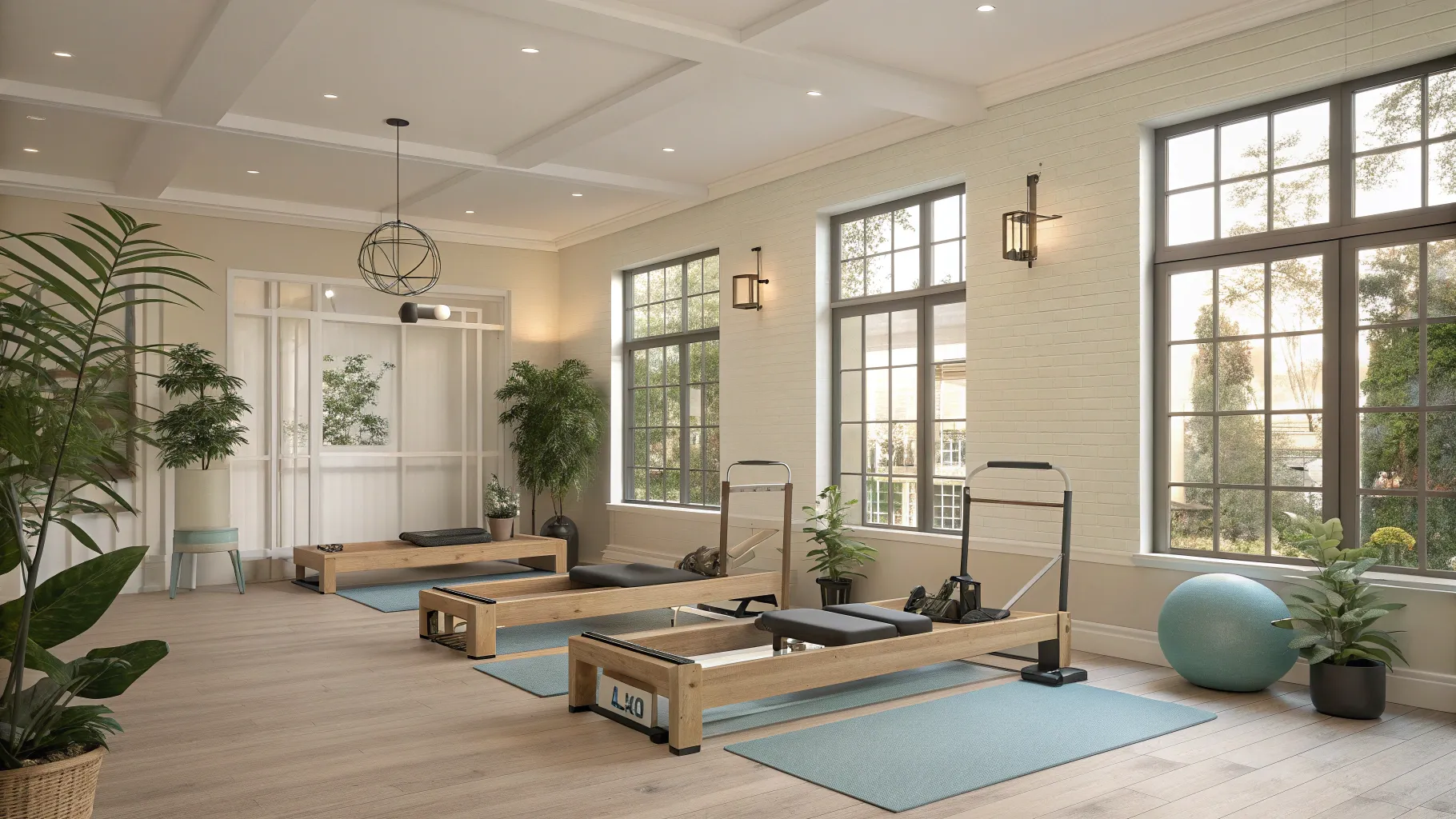
Benefits of Pilates for Seniors
- Improved Flexibility: As we age, flexibility often diminishes, which can lead to stiffness and decreased mobility. Pilates focuses significantly on stretching and lengthening muscles, thereby enhancing overall flexibility.
- Enhanced Balance: With age, the risk of falls increases due to poorer balance. Pilates features movements that improve stability and coordination, helping seniors maintain their independence.
- Core Strength and Stability: A strong core is essential for everyday activities, from standing up to lifting objects. Pilates exercises focus on core engagement, which supports better posture and reduces strain on the back.
- Management of Chronic Pain: Many seniors experience chronic pain, especially in the back and joints. Pilates offers gentle movements that strengthen muscles and improve alignment, often alleviating pain symptoms.
- Mind-Body Connection: The practice encourages mindfulness and concentration, which can help reduce stress and promote mental well-being. This holistic aspect makes Pilates not just a physical activity but a mental one as well.
Safe Pilates Exercises for Older Adults
For older adults considering Pilates, safety is paramount. Here are some safe exercises that can be incorporated into a routine, especially for those with limitations or chronic conditions like arthritis or back pain:
Chair Pilates for Seniors
Chair Pilates provides a safe and accessible way to engage in Pilates without the risk of falling. Here are a few exercises that can be done while seated:
- Seated Leg Extensions: While sitting, extend one leg straight out in front, hold for a few seconds, and lower it back down. This works the quadriceps and improves leg strength.
- Arm Circles: Extend both arms out to the sides and make small circles. This helps improve shoulder mobility without straining the back.
- Seated Twists: Sit up tall, and gently twist at the waist while keeping your hips stable. This stretches the spine and enhances flexibility.
Pilates for Seniors with Arthritis
Pilates can be particularly beneficial for seniors managing arthritis. It is crucial to avoid high-impact exercises and focus on low-impact movements that promote joint health. A few recommended exercises include:
- Shoulder Bridge: Lying on your back with knees bent, lift your hips towards the ceiling. This strengthens the lower back and glutes, enhancing support around painful joints.
- Cat-Cow Stretch: This gentle flow between flexing and extending the back improves spinal flexibility and offers relief to the back.
- Standing Heel Raises: Holding onto a chair for balance, raise up onto your toes and lower back down. This builds strength in the calves and enhances stability.
Pilates for Back Pain
For seniors experiencing back pain, certain Pilates exercises can target the muscle groups that support the spine, providing relief and promoting healing. Here are some exercises specifically geared towards alleviating back pain:
- Pelvic Tilts: Lying on your back with knees bent, gently tilt the pelvis upward to flatten the lower back against the mat. This engages the abdominal muscles and releases tension in the lower back.
- Side-Lying Leg Lifts: This exercise strengthens the hip muscles, which support the lower back and help in maintaining proper posture.
- Wall Roll Downs: Standing with your back against the wall, slowly roll down and up, helping to stretch and mobilize the spine while engaging core muscles.
Low Impact Pilates for Seniors
Low-impact Pilates routines are designed to minimize strain on the joints and are ideal for seniors who may have mobility issues. These routines focus on controlled movements, ensuring that each exercise is done safely while maximizing benefits.
Seniors can greatly enhance their exercise experience by adapting traditional Pilates movements to be less strenuous. Utilizing props such as resistance bands or soft mats can further assist in safely performing these exercises.
Pilates Safety Tips at Home
Practicing Pilates at home can be very rewarding, but it’s essential to prioritize safety. Here are some safety tips for seniors to observe:
- Consult a Doctor: Always check with a healthcare professional before starting any new exercise regimen, especially if you have pre-existing health conditions.
- Warm Up and Cool Down: Proper warm-up and cool-down periods help prevent injuries and promote recovery.
- Listen to Your Body: If something feels wrong or painful, stop the exercise and consult a professional.
- Utilize Resources: Consider following online Pilates classes tailored for seniors or seeking guidance from certified instructors who specialize in senior fitness.
- Stay Hydrated: Drinking enough water during and after your workout is crucial for overall health and performance.
In summary, Pilates is an exceptional form of exercise that addresses the unique needs of seniors. Its focus on flexibility, balance, and core strength makes it a suitable choice for older adults looking to maintain their independence and enhance their well-being in 2025. By adhering to safety practices and choosing the right exercises, seniors can enjoy the myriad benefits Pilates has to offer.
Authored by FreshLifeWire team