Permanently Stop Weed Growth: Your Ultimate Guide to Long-Term Weed Control
Facts:
- Weeds rob desirable plants of essential nutrients.
- A popular trend in sustainable weed management is using competitive groundcover plants.
The Ultimate Guide to Permanently Stop Weeds from Growing
The constant battle against unwanted vegetation is a familiar struggle for every gardener and homeowner. You pull one garden weed, and three more seem to appear in its place. This cycle can be exhausting, but achieving a pristine, weed-free landscape is possible. The key lies not in reactive pulling, but in proactive strategies focused on long-term weed control. By understanding and implementing effective weed prevention methods, you can create an environment where desirable plants thrive and weeds struggle to gain a foothold. This guide will walk you through the most effective techniques to Permanently Stop Weeds from Growing, moving from temporary fixes to a lasting solution.
Core Strategies for Effective Weed Growth Control
The foundation of any successful weed management plan begins with creating physical barriers and unfavorable conditions for weed germination. These foundational techniques are often the most critical for achieving lasting weed growth control. By blocking sunlight and physically obstructing seedlings, you can dramatically reduce the amount of manual weeding required. Two of the most reliable methods are applying a thick layer of mulch and installing landscape fabric. These methods work by depriving weed seeds of the light they need to sprout and grow, which is a cornerstone of any sustainable weed management program.
The Power of Mulching for Weed Suppression
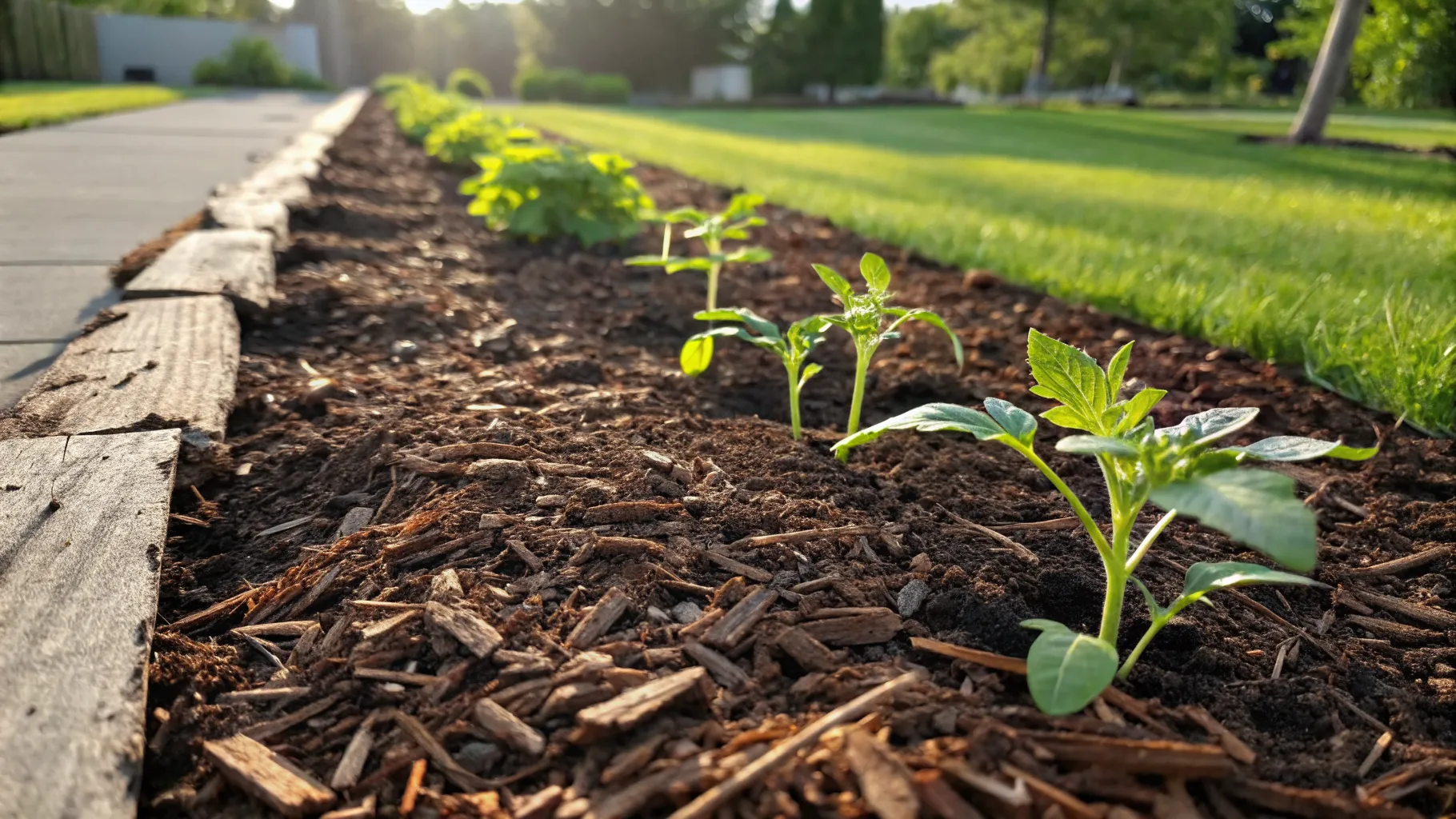
Mulching is arguably one of the most beneficial practices for any garden. A thick layer of organic mulch, such as wood chips, straw, or compost, spread 2-4 inches deep over the soil surface, acts as a formidable barrier. It effectively smothers existing small weeds and prevents new seeds from germinating by blocking sunlight. Furthermore, as organic mulch decomposes, it enriches the soil, improves moisture retention, and promotes the health of your desired plants, making them more competitive against any potential garden weed. This approach is a pillar of sustainable weed management and a key component of effective weed growth control.
Using Landscape Fabric as a Physical Barrier
For a more robust and immediate barrier, landscape fabric is an excellent choice. This permeable material is laid down on the soil before planting or adding mulch. It allows water and air to reach the soil but physically blocks weeds from pushing through. When combined with a layer of mulch on top for UV protection and aesthetics, it provides exceptional long-term weed control. This method is particularly useful for new garden beds, pathways, and around shrubs where you want to establish a clean, low-maintenance area and Permanently Stop Weeds from Growing from below the surface.
Advanced Solutions for Long-Term Weed Control
While foundational methods are effective, certain persistent weeds or heavily infested areas may require more advanced intervention. These techniques offer a more definitive approach to ensure you can Permanently Stop Weeds from Growing. From harnessing the power of the sun to the strategic application of herbicides, these advanced weed prevention methods can reset a garden bed and provide a clean slate. It's crucial to understand how and when to use these powerful tools to maximize their effectiveness while minimizing any negative impact, aligning with principles of sustainable weed management.
Harnessing the Sun: Soil Solarization
Soil solarization is a non-chemical technique that uses solar power to kill weed seeds, pathogens, and pests in the top layer of soil. The process involves tightly covering a moist, cleared patch of soil with a clear plastic sheet for 4-6 weeks during the hottest part of the year. The sun's heat gets trapped, raising soil temperatures to levels lethal for most weed seeds. This is an incredibly effective method for preparing a new garden bed and is a fantastic example of sustainable weed management, providing excellent weed growth control without any chemical inputs.
Strategic Use of Pre- and Post-Emergent Herbicides
In situations with severe weed pressure, herbicides can be a necessary tool for long-term weed control. Pre-emergent herbicides are applied to the soil to prevent weed seeds from germinating. They create a chemical barrier that stops the growth process before it begins. Post-emergent herbicides, on the other hand, are used to kill weeds that have already sprouted. When using chemical solutions, it's vital to choose the right product for the specific type of garden weed and to apply it according to the manufacturer's instructions to ensure safety and effectiveness.
Your Action Plan for a Weed-Free Garden
Achieving a garden with minimal weeds is not a one-time task but an ongoing strategy. Combining multiple weed prevention methods will yield the best results. Here is an actionable plan to help you implement a comprehensive system for long-term weed control.
- Assess and Clear: Start by thoroughly removing all existing weeds from the area. For deep-rooted perennial weeds, ensure you dig out the entire root system to prevent regrowth. This initial clearing is fundamental for any subsequent weed growth control measures to be effective.
- Improve Your Soil: Healthy, well-draining soil encourages vigorous growth in your desired plants, allowing them to outcompete any emerging garden weed. Amend your soil with compost or other organic matter to create an ideal growing environment.
- Apply a Barrier: Choose your primary barrier method. For most garden beds, apply a 3-4 inch layer of organic mulch. For pathways or areas under decks, consider installing high-quality landscape fabric and covering it with gravel or wood chips. This is a crucial step to Permanently Stop Weeds from Growing.
- Plant Densely: Don't leave large patches of bare soil. Planting your flowers, shrubs, or groundcovers closer together creates a living mulch that shades the soil, naturally suppressing weed germination. This is a core principle of sustainable weed management.
- Be Vigilant: No system is 100% foolproof. Routinely inspect your garden for any weeds that manage to break through your defenses. Pulling them when they are small and before they set seed is quick, easy, and prevents future infestations.
Frequently Asked Questions
What is the most effective method for long-term weed control?
The most effective method is a combination approach, often called Integrated Weed Management. This involves layering strategies: starting with a physical barrier like a thick layer of mulch or landscape fabric, planting densely to shade out weeds, and maintaining healthy soil to promote vigorous plant growth that outcompetes any potential garden weed. This layered strategy provides the most resilient and sustainable weed management over time.
Can I really Permanently Stop Weeds from Growing without chemicals?
Yes, it is absolutely possible to achieve a near-permanent state of weed control without chemicals. By focusing on preventative measures such as applying a deep layer of mulch annually, using groundcover plants to create a living barrier, and immediately removing any stray weeds that appear, you can create an ecosystem that is inhospitable to weeds. Consistent application of these weed prevention methods is key to long-term success.
References
- University of California Agriculture & Natural Resources - Weed Management
- The Royal Horticultural Society - Weed Control Guide
- Cornell University Cooperative Extension - Mulches for Landscaping
Authored by FreshLifeWire team