Perfectly Season Turkey Your Ultimate Guide to Flavor
Turkey Seasoning Guide for Perfect Flavor
Seasoning your turkey is an essential step in ensuring a flavorful and juicy bird that your guests will rave about. With the right balance of herbs and spices, you can transform a simple turkey into a culinary masterpiece. In this guide, we will explore the best herbs and spices to use, compare dry rubs to wet brines, highlight common seasoning mistakes, and discuss how to apply seasoning evenly to guarantee amazing results every time.
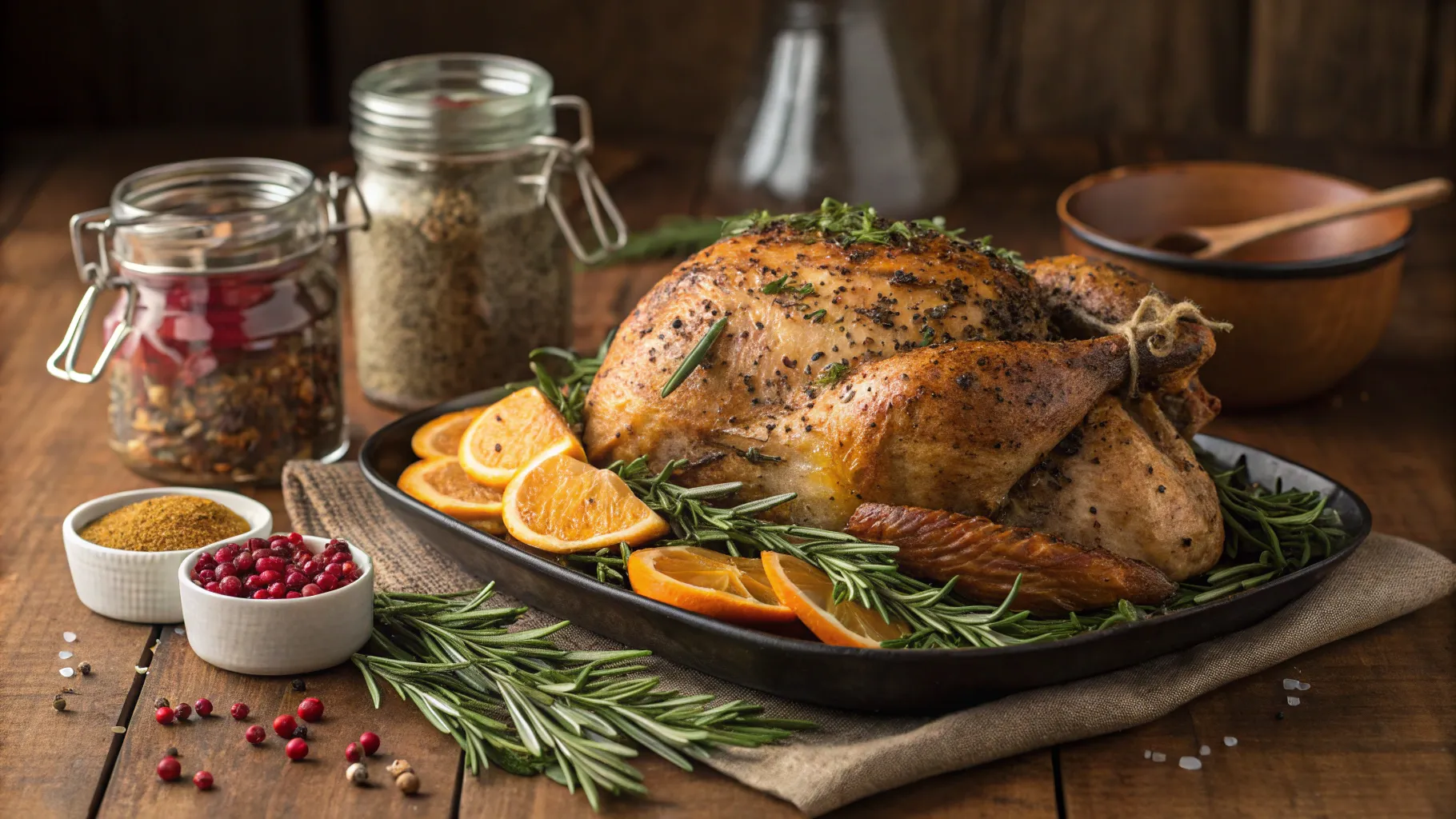
Best Herbs and Spices for Seasoning Turkey
When it comes to turkey seasoning, the possibilities are practically endless. But some herbs and spices have long been favored for their ability to enhance the inherent flavors of this poultry. Here’s a quick overview of some top choices:
- Thyme: This versatile herb pairs well with turkey, providing earthy notes that complement its rich flavor.
- Rosemary: Another classic choice, rosemary offers a slightly piney taste that can elevate your turkey dish.
- Sage: Often associated with Thanksgiving, sage gives a warm, spicy flavor that works nicely with the other seasonings.
- Paprika: For a touch of color and mild sweetness, paprika is an excellent addition to your seasoning mix.
- Garlic Powder: A favorite among many, garlic powder adds a savory depth to the flavors of your turkey.
The great thing about spices is their flexibility; you can adjust the quantities and mix different herbs to create the perfect seasoning blend tailored to your taste. For a balanced blend, consider mixing two parts of salt, one part of pepper, and one part each of your selected herbs.
Dry Rub vs Wet Brine: What’s the Difference?
One significant decision you’ll face in the turkey seasoning process is whether to use a dry rub or a wet brine. Both techniques have their advantages and can yield delicious results, but they work in different ways.
A dry rub consists of a blend of spices and herbs that you massage directly onto the turkey’s surface. This method is quick and easy, allowing the flavors to penetrate the outer layer of meat. It is especially effective when you want to create a nice crust during roasting. Common dry rub ingredients include salt, sugar, garlic powder, onion powder, and a mixture of your favorite herbs.
On the other hand, a wet brine involves submerging the turkey in a salty liquid solution, often enhanced with spices and herbs. This method not only seasons the meat deeply but also helps it retain moisture during cooking. A simple brine can be made with water, salt, sugar, and aromatics like bay leaves and peppercorns. Recent studies have shown that brining can enhance the turkey’s juiciness, making it a popular choice for those looking to impress during special occasions.
Both methods are effective, but choosing one depends on your time constraints and desired outcome. If you’re short on time, a dry rub might be the way to go. However, if you want to ensure a super juicy turkey, it’s hard to beat wet brining.
Avoiding Common Seasoning Mistakes
Even seasoned chefs can make mistakes when it comes to turkey seasoning. Here are some common pitfalls to avoid:
- Salt Overload: While seasoning is crucial, using too much salt in either your rub or brine can lead to an overly salty turkey. Always measure your salt carefully and taste your brine before soaking the turkey.
- Skipping the Resting Period: After seasoning or brining, it's important to let your turkey rest. This allows the flavors to meld and encompasses the meat in a flavorful cocoon.
- Not Applying Seasoning Evenly: When applying a dry rub, spread it evenly over the entire surface and under the skin where possible. For brining, ensure the turkey is submerged completely for an even flavor profile.
- Ignoring the Inside: Seasoning the cavity of the turkey is just as important as the exterior. Place some herbs or lemon slices inside before roasting to infuse flavor throughout the meat.
How to Apply Seasoning Evenly
For the best results, you need to apply seasoning evenly so that every bite of turkey is packed with flavor. Here are some expert tips on achieving an even distribution:
- Prepare the Turkey: Make sure your turkey is thawed and patted dry with paper towels. This helps the seasoning stick better.
- Use a Generous Hand: Don’t skimp on the amount of seasoning you use. Be generous with your rub or brine to enhance flavor.
- Massage the Seasoning: If using a dry rub, massage it into the turkey with your hands. This ensures the spices penetrate the skin and reach the meat beneath.
- Let It Sit: After applying your seasoning, allow the turkey to sit for at least an hour before cooking. This helps the spices develop a deeper flavor overall.
Implementing these simple tips can help you avoid common mistakes and achieve perfectly seasoned turkey every time. In the world of culinary creations, the importance of seasoning cannot be understated—especially when it comes to holiday favorites or any special occasion. So, gather your herbs and spices, choose your preferred method, and let your taste buds guide you to the ultimate turkey experience.
Authored by FreshLifeWire team