Part-time Food Packing Careers Responsibilities and Benefits
Exploring Part-time Food Packing Careers
Part-time food packing careers offer a unique opportunity for individuals seeking flexible work schedules while indulging in necessary roles within the food industry. With an increasing demand for packaged foods across various industries, part-time jobs in food packing are becoming more prevalent. This article delves into different types of food packing jobs, their responsibilities,_needed skills, and the benefits and challenges associated with them.
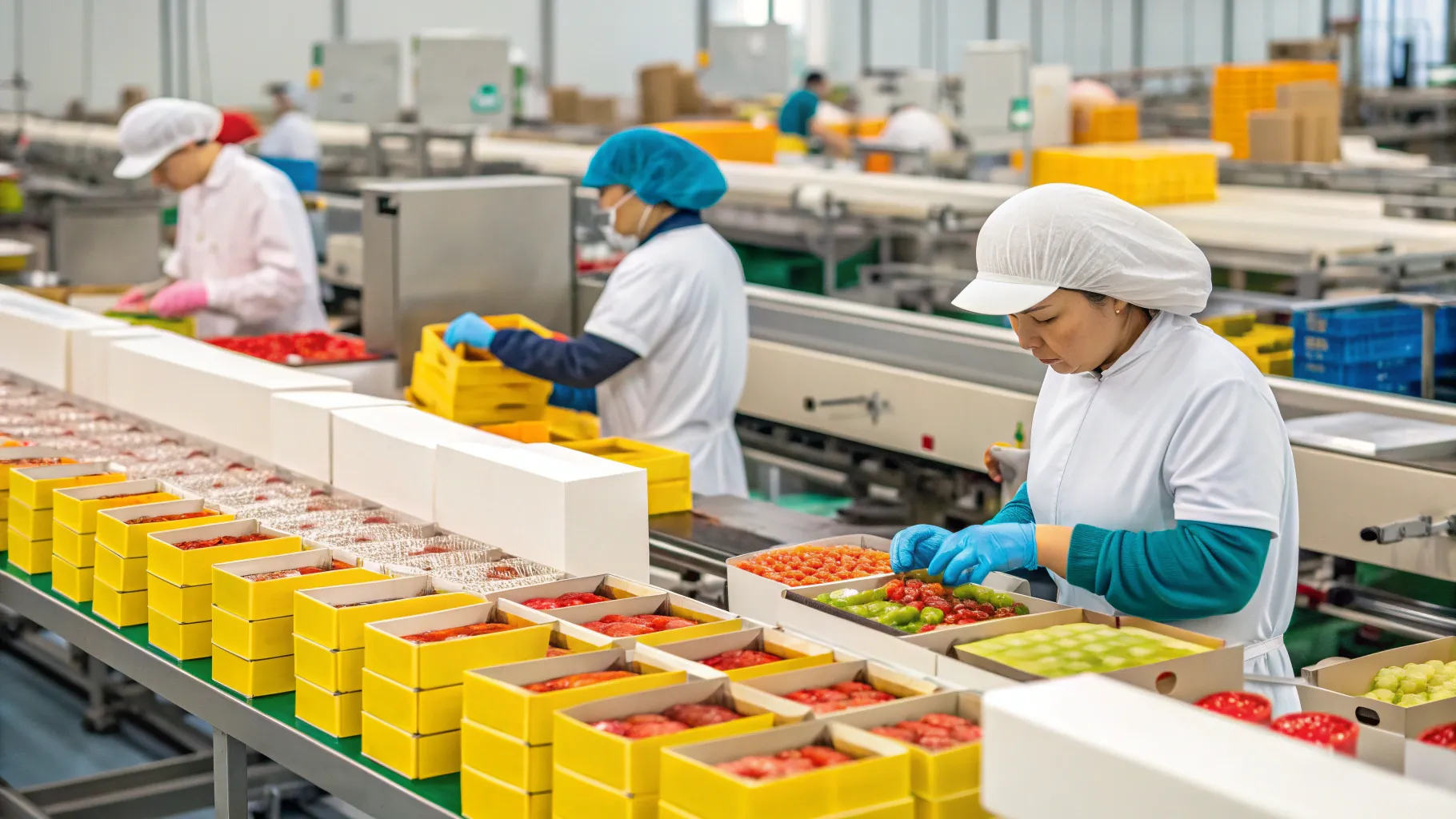
Types of Food Packing Jobs
The food packing industry is diverse, encompassing various roles that cater to different aspects of the packing process. Here are some common types of food packing jobs you might encounter:
- Production Line Worker: These workers are responsible for operating machines that pack food products into boxes or bags. They ensure that the machines are functioning correctly and that the food is packed efficiently and hygienically.
- Quality Control Inspector: Inspectors focus on maintaining the integrity of food products. They check for defects or signs of contamination during the packing process to ensure that only high-quality products reach the consumers.
- Labeling Associate: This position requires individuals to apply labels containing essential product information. This role is crucial as proper labeling helps consumers make informed choices and ensures compliance with health regulations.
- Warehouse Associate: In this role, individuals may be tasked with receiving, storing, and organizing products before they are packed and shipped. It involves ensuring that inventory levels are maintained effectively.
Responsibilities in Food Packing Work
While the specific duties vary based on the role, there are common responsibilities that food packers share:
- Packing Goods: The primary responsibility is to pack food items safely and efficiently. This involves understanding the dimensions and weight specifications of packaging.
- Following Safety Standards: Workers must adhere to strict safety and hygiene protocols to minimize contamination risks. Ensuring personal cleanliness and using proper protective equipment is paramount.
- Team Collaboration: Many packing jobs require working closely with colleagues to maintain a smooth production flow. Communication is essential to address challenges and improve processes.
- Report Defects: Identifying issues in products or packaging is crucial. Workers must report any defects or irregularities promptly to avoid compromising the quality of the final product.
Skills Needed for Food Packing Careers
To excel in food packing roles, specific skills can significantly enhance productivity and safety:
- Attention to Detail: This ensures that products are packed according to specifications and that any defects are reported.
- Physical Stamina: Many food packing jobs require standing for long periods and performing repetitive tasks. Physical fitness is essential.
- Time Management: Working effectively within time constraints is crucial, especially during peak packing periods.
- Communication Skills: Facilitating collaboration within a team and addressing issues requires good communication.
Benefits of Part-Time Food Packing Jobs
Part-time food packing positions come with several appealing benefits, especially for those balancing multiple commitments:
- Flexible Hours: Many food packing roles offer shift flexibility, making them suitable for students or those with other jobs.
- Entry-Level Opportunities: These positions typically do not require extensive experience, making them accessible for individuals entering the workforce.
- Skill Development: Workers often learn valuable skills, including teamwork, machinery operation, and quality assurance, which can open doors for advancement.
- Competitive Pay: Recent data indicates that part-time food packing jobs average about $15 to $20 per hour, depending on the region and company.
Challenges in Food Packing Work
While there are many advantages, food packing careers also pose various challenges that workers might face:
- Repetitive Tasks: The nature of the job can lead to physical strain and boredom, as tasks may become monotonous.
- Health Risks: Workers must navigate potential hazards like slips, falls, and exposure to food allergens. Health and safety protocols must be strictly followed.
- Pressure to Meet Targets: Production quotas can create stress and pressure to perform consistently, which can impact workplace morale.
Industries Hiring Food Packing Workers
The need for food packing workers spans various industries, including:
- Manufacturing: Food and beverage companies require packaging workers to handle bulk food products.
- Retail: Grocery stores and supermarkets often require extra hands for seasonal demands or during special promotions.
- Logistics: Companies specializing in distribution rely heavily on food packers to prepare products for shipments.
Health and Safety in Food Packing
Ensuring health and safety is paramount in food packing jobs. The industry strictly monitors conditions to protect both workers and consumers. Regular training sessions focus on safe handling procedures and the proper use of personal protective equipment. Companies are now investing in ergonomically designed tools and machinery to reduce strain on workers. With recent FDA guidelines in place, there is also an emphasis on maintaining sanitary environments during the packing process. The commitment to health and safety ensures that food remains safe for consumption while providing a secure workplace for employees.
How to Apply for Food Packing Jobs
Getting a part-time food packing job typically involves a straightforward application process. Start by searching for local job listings on dedicated employment websites, or check company career pages directly. Many businesses are receptive to applicants without prior experience, so tailor your resume to highlight any relevant skills or past experiences in similar environments. Networking can also significantly help; consider reaching out to local workforce development centers for potential job leads. When you secure an interview, express your commitment to following safety protocols and your eagerness to learn. This will position you favorably in the eyes of hiring managers.
Career Growth in Food Packing Industry
The food packing industry offers promising career growth opportunities. Many workers start in entry-level positions and can advance to supervisory roles or specialized positions in quality control or logistics. Companies today encourage skill development by providing training programs that facilitate upward mobility. Workers can build a long-term career filled with diverse experiences, making this field a viable option for those looking to establish themselves within the food industry. The transition from part-time to full-time positions is quite common, especially for diligent employees, emphasizing the potential for growth and stability in this sector.
Authored by FreshLifeWire team