Pain Management Injections for Joint Pain Relief Options
Pain Management Injections The Role of Steroid Injections in Joint Pain Relief
Joint pain is a prevalent issue that affects millions of people globally, especially as they grow older. Conditions such as arthritis, tendonitis, and other musculoskeletal problems often lead individuals to seek effective pain relief solutions. Among the various pain management options available today, steroid injections have gained significant popularity for their ability to alleviate joint pain quickly and effectively.
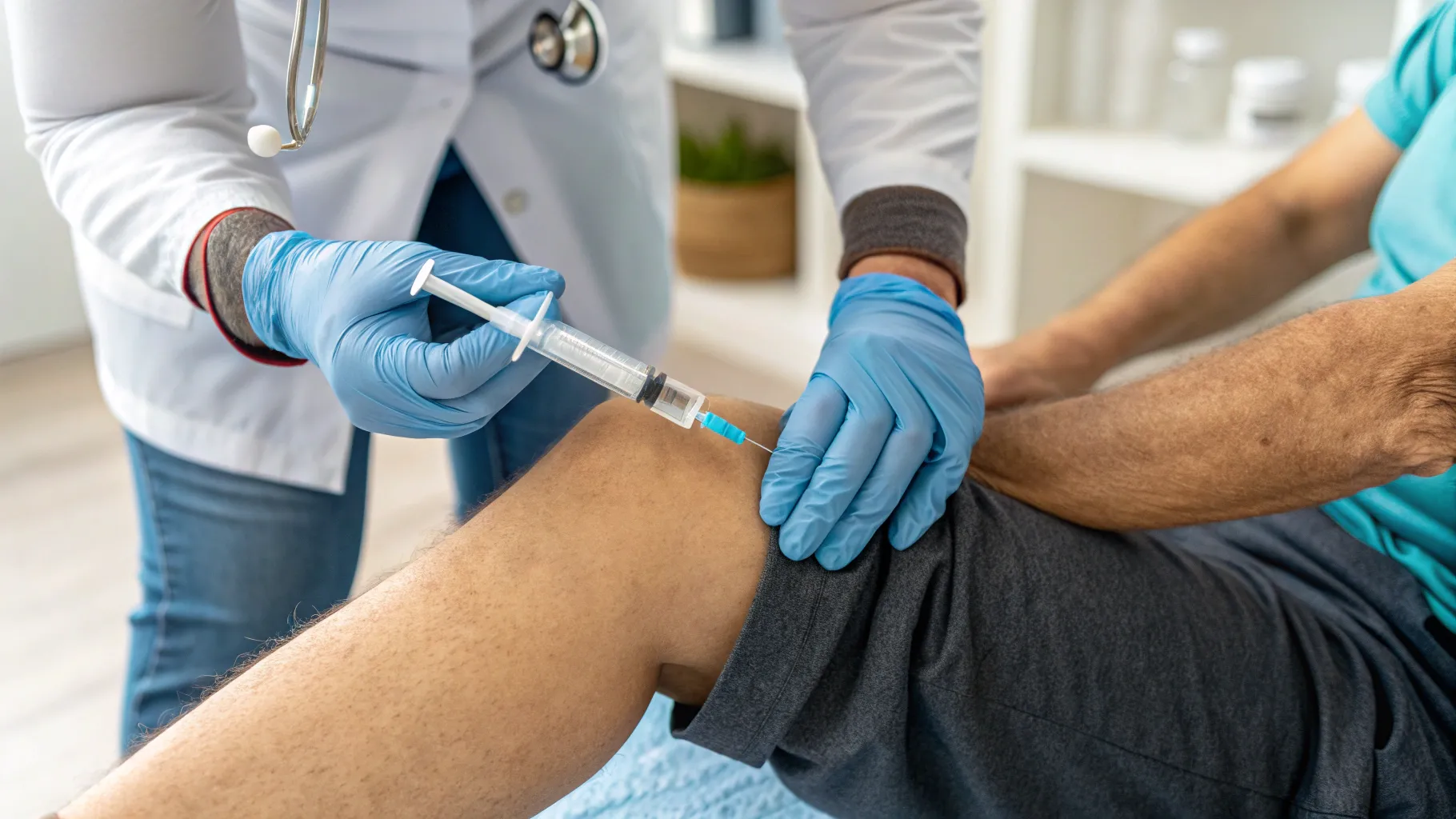
Steroid injections work by delivering corticosteroids directly into the affected joints or tissues. This method provides targeted pain relief by reducing inflammation, allowing individuals, particularly seniors, to regain a sense of normalcy in their daily activities. Recent studies have shown that steroid injections can lead to significant improvements in pain control and overall mobility within just a few days of administration.
Benefits of Steroid Injections
The benefits of using steroid injections to manage joint pain are numerous. These injections not only provide rapid relief but also support individuals in returning to their regular activities more comfortably. Key advantages include:
- Targeted Relief: One significant advantage of steroid injections is their ability to deliver medication directly where it's needed most. This localized approach reduces the risk of systemic side effects that can occur with oral pain medications.
- Rapid Action: Many patients experience relief within just a few days, which is particularly beneficial for those seeking quick alleviation from chronic pain.
- Effective Inflammation Reduction: Corticosteroids are potent anti-inflammatory agents, making them effective in treating conditions characterized by swelling and pain, such as osteoarthritis and rheumatoid arthritis.
- Supports Rehabilitation: Steroid injections can facilitate a more effective rehabilitation process, allowing physical therapy to be more productive, especially after surgeries or injuries.
Given these compelling benefits, it is no surprise that steroid injections have become increasingly embraced by seniors experiencing joint pain. A recent survey indicated that over 55% of patients receiving these injections reported marked improvements in their quality of life, enhancing their ability to engage in social and physical activities.
Understanding the Costs and Risks Involved
While the benefits of steroid injections are clear, it’s crucial to consider the associated costs and risks. On average, the cost of a steroid injection can range from $300 to $600, depending on factors such as location, the type of steroid administered, and the healthcare provider's fees. Additionally, patients may encounter extra charges for follow-up consultations or routine check-ups.
Insurance coverage can vary, with many providers covering steroid injections as part of pain management treatment plans. Patients are encouraged to verify their coverage details with their insurance provider to gain clarity on potential out-of-pocket costs. Many who undergo these injections find that the subsequent pain relief and enhanced mobility often justify the investment, allowing them to participate more fully in their lives.
Potential Risks and Side Effects
Although steroid injections can offer significant relief, they are not without potential risks. Common side effects that patients may encounter include:
- Risk of infection at the injection site, which is a crucial concern that requires proper hygiene practices before and after administration.
- A temporary increase in pain or discomfort immediately following the injection, which may last for a few days.
- Hormonal imbalances associated with high doses of corticosteroids, potentially leading to side effects.
- Local tissue damage if injections are administered too frequently or at incorrect sites.
- A slight elevation in blood sugar levels, especially concerning for those with diabetes.
It is essential for patients to engage openly with their healthcare providers regarding these risks and weigh the potential benefits against them. Typically, doctors recommend a limit of three to four injections per site annually to mitigate the chances of long-term side effects or complications.
The Importance of Rehab and Follow-Up Care
Integrating steroid injections into a comprehensive pain management plan requires more than just the injections themselves. After receiving an injection, proactive rehabilitation plays a crucial role in maximizing the outcomes. Patients are often referred to physical therapy designed to strengthen surrounding muscles, improve flexibility, and promote optimal joint function.
Specific exercises tailored to individual conditions not only expedite recovery but also focus on preventing future injuries. Embracing lifestyle changes—such as managing weight and adapting activity levels—can also significantly impact long-term joint health. For instance, recent data from a physical therapy study indicates that seniors who participated in guided rehabilitation programs post-injection reported a 30% improvement in their functional mobility over six months.
Following up after an injection is equally critical. Scheduling appointments for review allows healthcare professionals to evaluate the effectiveness of the injection, adjust ongoing treatment plans, and monitor for any side effects or complications. Such continuity of care is vitally important, particularly for elderly patients who may have more complex health needs due to pre-existing conditions.
As medical technology and pain management techniques evolve, so does the understanding of steroid injections. Patients are encouraged to remain informed about the latest developments in treatment options, which enables them to make educated decisions about their health. Effective pain management is a multifaceted process that combines medication, rehabilitation, and proactive communication with healthcare providers.
In the quest for effective pain relief, steroid injections stand out as a powerful option for those battling joint pain. Their ability to provide targeted and rapid relief makes them an invaluable resource for many seniors struggling with mobility issues. By understanding the costs, risks, and the necessity for rehabilitation, individuals can navigate their pain management journey with confidence and clarity, allowing them to embrace life's activities free from the constraints of pain.
Authored by FreshLifeWire team