Pacemaker Implantation for Seniors Types Procedure Benefits
Understanding Pacemaker Implantation for Seniors
As we gracefully age, maintaining heart health becomes increasingly important. Many seniors face heart-related issues such as arrhythmias, where the heart may beat too quickly, too slowly, or irregularly. Fortunately, pacemaker implantation has emerged as an effective solution that greatly enhances the well-being and quality of life for many elderly individuals.
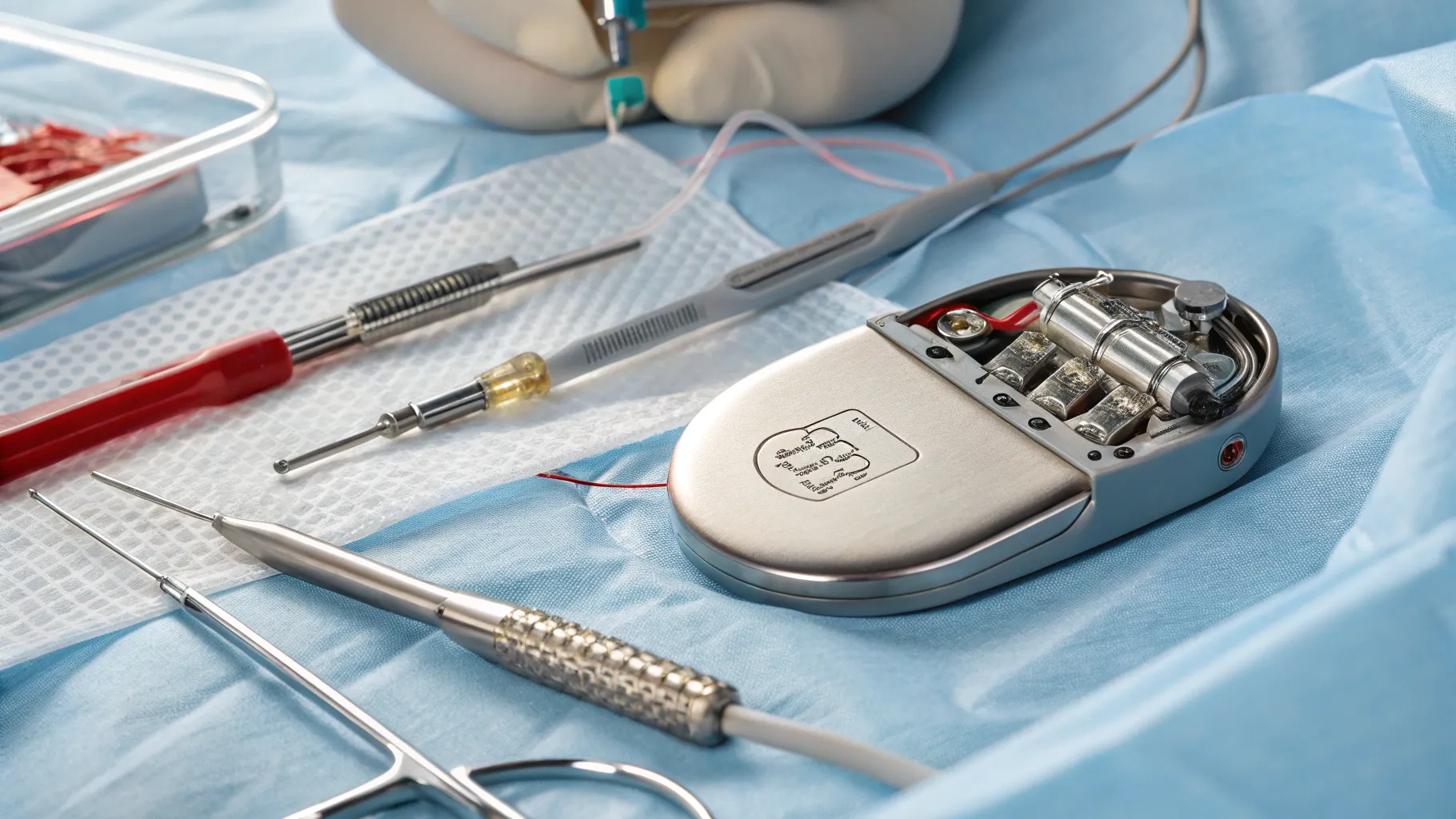
Types of Pacemakers
When navigating the landscape of pacemakers, it is crucial to recognize the different types available, each specifically designed to address unique heart rhythm challenges. In recent months, advancements in technology have further refined these devices, making them more efficient and patient-friendly. Here are the primary types:
- Single-chamber pacemaker: As the most straightforward option, this device has one lead that connects either to the right atrium or ventricle of the heart. It is often utilized for patients needing basic rhythm support.
- Dual-chamber pacemaker: This type features two leads, linking both the atrium and ventricle, which allows for more synchronized heartbeats, a crucial factor in preventing fatigue during physical activity.
- Biventricular pacemaker: Frequently prescribed for patients with heart failure, this sophisticated model boasts three leads that synchronize the contractions of both ventricles, significantly improving cardiac efficiency and overall heart function.
- Leadless pacemaker: A newer, less invasive alternative, the leadless pacemaker is implanted directly into the heart with no leads attached. This option has seen substantial growth in 2025, appealing to patients who want to avoid potential complications associated with traditional leads.
Every type serves a specific purpose tailored to the patient's needs, which can be thoroughly discussed with a cardiologist who specializes in arrhythmia management.
The Pacemaker Implantation Procedure
The implantation procedure for a pacemaker typically takes about one to two hours and is conducted under local anesthesia, ensuring minimal discomfort for the patient. Let’s break down the procedure step-by-step:
- Preparation: Prior to surgery, patients undergo a series of tests that evaluate their heart's condition, allowing doctors to create a personalized approach to treatment.
- Insertion: A small incision is made in the upper chest, where a pocket is created to house the pacemaker. During this stage, leads are carefully guided into the heart through a nearby vein.
- Testing: After placement, the device is tested to confirm that it is properly regulating heart rhythms.
- Closure: Once testing is complete and the device is functioning well, the incision is closed, and the patient is monitored briefly before transitioning to recovery.
Most patients discover that they can return home within a day after their procedure, although some may require additional monitoring based on their health status.
Cost of Pacemaker Surgery
The cost of pacemaker surgery varies substantially depending on several factors, including the type of pacemaker chosen, the hospital's location, and the patient's insurance coverage. Currently, the average cost ranges from $15,000 to $30,000. This sum covers the pacemaker device, surgical procedure, hospital stay, and follow-up care. As we progress through 2025, experts recommend that seniors consult with their insurance providers, as many plans now cover a significant portion of these expenses. The rise of technological advancements and a competitive healthcare market continues to impact pricing overall.
Recovery After Pacemaker Implantation
Recovery following pacemaker implantation is generally straightforward. Most patients are pleasantly surprised to find they can resume their normal activities within just a few days. Nonetheless, necessary precautions include avoiding heavy lifting and strenuous exercise for several weeks to ensure proper healing. Patients will often experience slight soreness near the incision site, but this discomfort tends to dissipate quickly.
Additionally, follow-up appointments become critical in the recovery process, enabling healthcare professionals to monitor how well the device functions. As technology advances, remote monitoring options allow doctors to evaluate pacemaker performance without requiring frequent in-office visits. This comforting trend not only eases logistical issues for seniors but also enhances their overall peace of mind.
Risks and Complications
While the benefits of pacemaker implantation are considerable, it is essential to recognize potential risks and complications. Thankfully, serious issues are rare, but they can include:
- Infection at the incision site, which can generally be managed with antibiotics.
- Bleeding or bruising in the area where the pacemaker is implanted.
- Pneumothorax, or collapsed lung, which can occur during lead placement, though meticulous surgical techniques minimize this risk.
- Improper placement of the device, which may lead to ineffective heart regulation, necessitating additional intervention.
It is crucial for patients to thoroughly discuss these risks with their healthcare provider, ensuring they are well-informed and can weigh the potential benefits against any concerns regarding complications.
Benefits for Arrhythmia Management
The advantages of pacemaker implantation, particularly for seniors grappling with arrhythmias, are profound. These devices function by regulating heartbeats consistently, mitigating symptoms such as fatigue, dizziness, and episodes of fainting. Moreover, by maintaining a stable heart rhythm, pacemakers significantly reduce the risk of more serious complications, including stroke.
Recent clinical studies conducted in early 2025 reveal that over 80% of pacemaker recipients report substantial improvements in their quality of life, with many successfully returning to their daily routines with newfound confidence and energy. This statistic underscores the transformative power of effective heart rhythm management.
Follow-up Care
After pacemaker implantation, ongoing follow-up care is paramount. Patients typically attend their first follow-up appointment within a couple of weeks of surgery, where healthcare providers conduct thorough assessments of the device's function and overall patient health. These visits may include:
- Telemetry checks, whereby data from the pacemaker is transmitted wirelessly to doctors for review.
- Routine ECGs, to monitor heart rhythm and ensure proper pacing.
- Adjustments to pacemaker settings, if necessary, to provide optimal performance based on the patient's evolving needs.
Proactively engaging in follow-up care is vital for ensuring the long-term success of the pacemaker, contributing to enhanced well-being and peace of mind for seniors navigating their heart health.
Authored by FreshLifeWire team