Outboard Engine Water Pumps Buying Guide for 2025
Outboard Engine Water Pumps for Sale: Your Ultimate Buying Guide
For boating enthusiasts, maintaining your outboard engine is crucial, and one of the most vital components is the water pump. A reliable outboard water pump ensures your engine remains cool during operation, preventing overheating which can lead to substantial damage. In 2025, with advancements in technology and materials, there are numerous options available for outboard engine water pumps. Let’s break down what you need to know when considering a purchase.
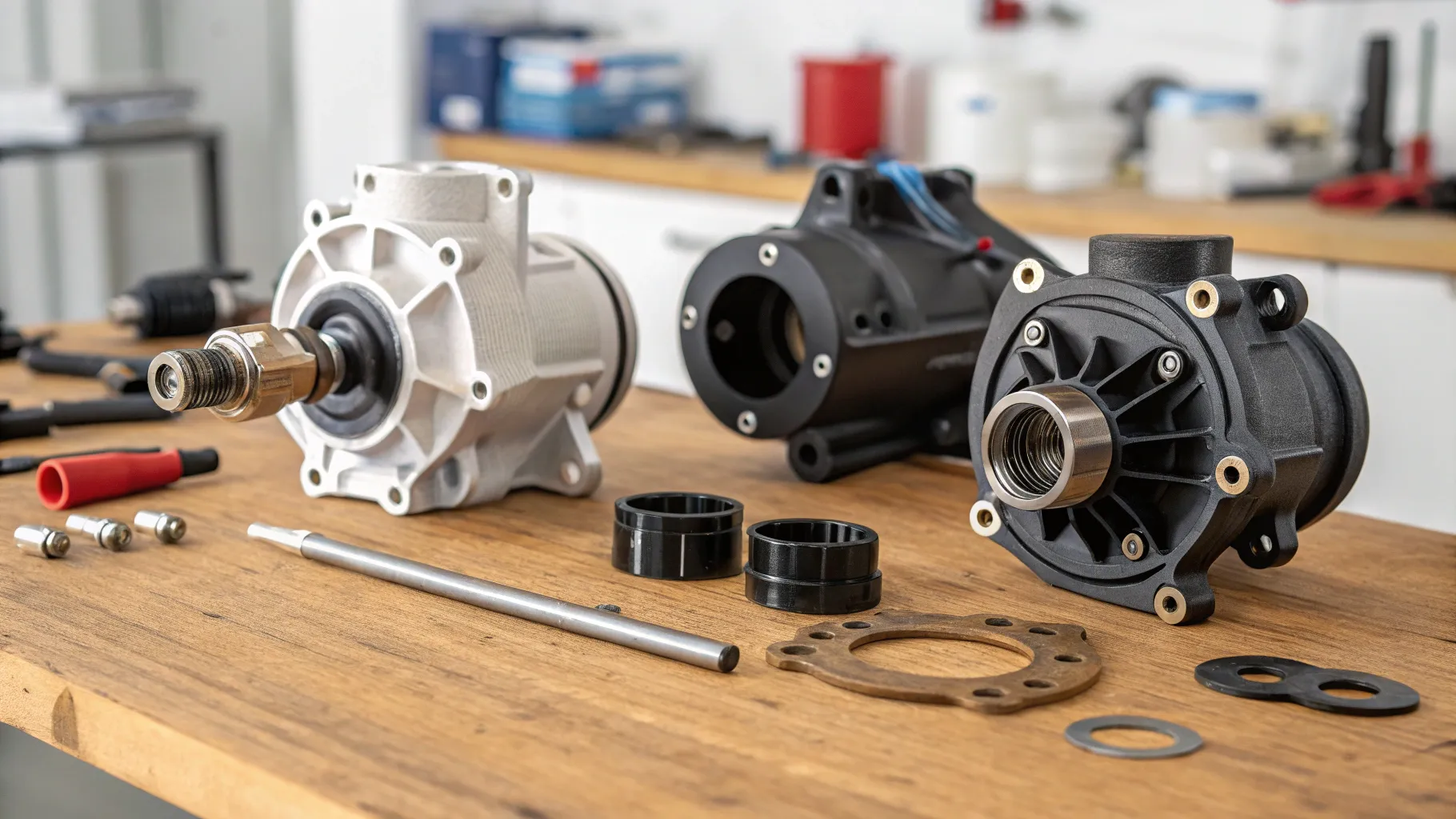
Understanding Impeller and Housing Materials
When selecting a new outboard water pump, the materials used in the impeller and housing are largely regarded as the first points of consideration. Typically, impellers are made from either rubber or thermoplastic. Rubber impellers tend to offer superior performance, particularly in freshwater applications, as they have better elasticity and durability. However, thermoplastic alternatives can be more resistant to corrosion, particularly in saltwater environments.
- Rubber Impellers: Excellent for freshwater use but wear out faster in saltwater.
- Thermoplastic Impellers: Recommended for saltwater as they combat corrosion effectively.
Housing materials also vary, from plastic to aluminum, which provides different benefits depending on your boating conditions. For saltwater applications, an aluminum housing with a protective coating can be a wise choice to stave off corrosion.
Compatible Brands and Horsepower Ranges
Outboard water pumps are designed to fit specific brands and horsepower ranges. Understanding compatibility is essential as it directly impacts performance. In 2025, the most popular brands in the outboard industry include Yamaha, Honda, and Mercury, each offering unique specifications for water pumps. For example, a 50 HP Mercury engine will require a different pump than a 150 HP Yamaha.
- Yamaha water pumps generally fit models ranging from 2.5 HP up to 300 HP.
- Honda outboards often range from 2 HP to 250 HP, each with specific pump requirements.
- Mercury pumps cater to engines from as low as 15 HP up to 400 HP, with various models tailored to distinct performance needs.
In recent months, it has been observed that more consumers are scrutinizing compatibility charts before purchasing, ensuring they obtain the perfect match for their engine specifications to guarantee optimal cooling efficiency.
OEM vs Aftermarket Outboard Water Pumps
When purchasing a new water pump, one of the most significant decisions involves choosing between OEM (Original Equipment Manufacturer) and aftermarket options. OEM pumps are manufactured by the brand that produced your outboard engine, ensuring perfect compatibility and often better warranty coverage. In contrast, aftermarket pumps, while typically more affordable, may vary in quality and reliability.
Statistics from this year reveal that 60% of consumers opt for OEM parts due to their higher performance guarantees. However, aftermarket pumps have improved significantly, and some brands now offer high-quality components that can match or even exceed OEM standards, especially in cost-effectiveness.
Complete Repair Kits vs Pump Assemblies
For those who enjoy DIY repairs, you might consider whether to purchase complete repair kits or full pump assemblies. Repair kits can save money, especially if you're comfortable handling the installation and can frequently address issues like replacing the impeller or gaskets. However, a complete pump assembly provides peace of mind—it’s a straightforward install and less labor-intensive.
- Repair Kits: Economical, but require more skill and effort to install.
- Pump Assemblies: More expensive upfront but often come with warranties and guarantees.
A recent case study involving a boating club showed that members using complete pump assemblies faced fewer cooling issues compared to those utilizing repair kits. While the upfront cost was higher, long-lasting performance reduced the need for further repairs.
Installation and Priming Steps
Installing an outboard water pump requires attention to detail and some basic knowledge. Here's a simplified step-by-step guide to help you through the process:
- Prepare Your Tools: Have all necessary tools on hand, including screwdrivers, socket sets, and a torque wrench.
- Remove the Boat from Water: Always ensure the engine is off and the boat is on a stable platform.
- Dismantle the Old Pump: Carefully remove the cover to access the pump assembly.
- Install the New Pump: Follow the manufacturer’s instructions closely, ensuring all seals and gaskets are properly positioned.
- Prime the Pump: Before starting the engine, make sure to fill the pump and plumbing with water to facilitate cooling on initial start-up.
- Test the System: Run the engine for a brief period to check for leaks and ensure the cooling system is functioning correctly.
Saltwater Corrosion Considerations
For boaters operating in saltwater conditions, corrosion becomes a primary concern when selecting an outboard water pump. The salt in seawater can significantly reduce the lifespan of engine components. When choosing a water pump, consider models that specifically advertise resistance to saltwater corrosion. Many brands now offer products made from advanced materials designed to withstand harsh marine environments.
Regular inspection and maintenance are vital for outboard engines exposed to saltwater. Flushing your engine with freshwater after each use can greatly extend the life of your water pump and other critical components. In the last six months, reports indicate that boats meticulously washed after use experienced significantly lower wear rates compared to those left unattended.
As you embark on your journey to find the right outboard engine water pump for sale, being informed about materials, compatibility, and saltwater considerations is imperative. Whether you decide on an OEM part, an aftermarket option, or even a complete repair kit, make your choice based on the specific needs of your vessel for optimal performance and longevity.
Authored by FreshLifeWire team