Osteoporosis and Aging Nutrition for Strong Senior Bones
Osteoporosis and Aging Essential Nutrition for Strong Bones in Seniors
As people age, their health concerns often change, and one of the most pressing issues for seniors is osteoporosis. This condition weakens bones, making them fragile and more susceptible to fractures. In 2025, it’s estimated that more than 54 million Americans are affected by osteoporosis or low bone mass. It’s a critical concern for older adults, especially women, who are at higher risk. Therefore, understanding essential nutrition for strong bones is vital for seniors who wish to maintain their mobility and independence.
Understanding Osteoporosis in Seniors
Osteoporosis is often referred to as the "silent disease" because it can progress without any obvious symptoms until a fracture occurs. This makes it crucial for seniors to adopt preventive measures. Factors like age, genetic history, lifestyle choices, and nutritional deficiencies play a significant role in the development of this condition. In fact, studies show that bone density decreases significantly after the age of 50, with women experiencing accelerated bone loss around menopause due to hormonal changes.
One of the most compelling statistics on osteoporosis's impact is that one in two women and one in four men over the age of 50 will experience a fracture caused by osteoporosis in their lifetime. But the good news is that by focusing on essential nutrition for strong bones, many of these fractures can be prevented.
Essential Nutrition for Strong Bones
The foundation of strong bones lies in proper nutrition. A balanced diet rich in specific nutrients is imperative for maintaining bone health. Here are some key nutrients every senior should prioritize:
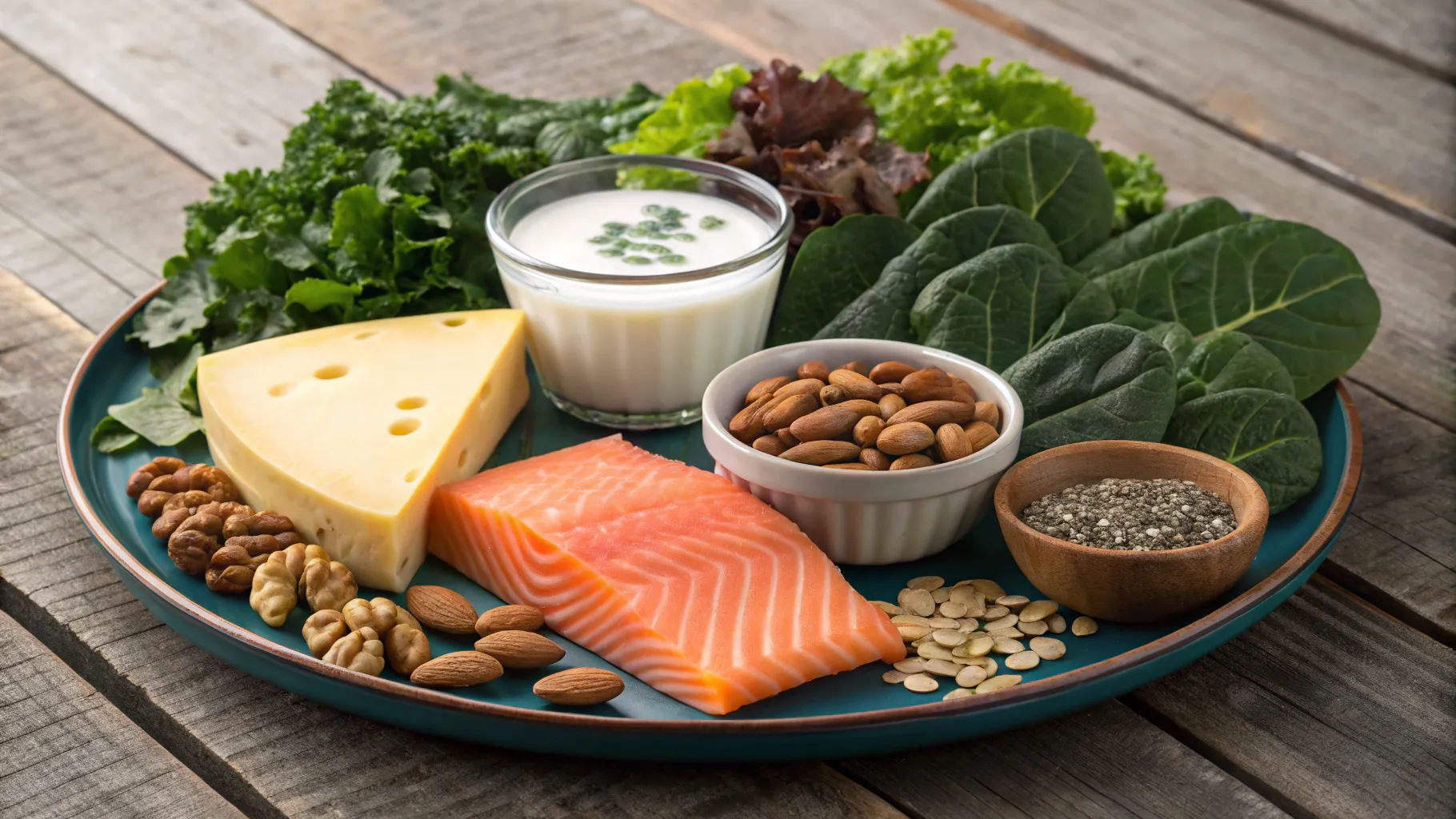
- Calcium: This mineral is the primary building block of bone tissue. The recommended daily intake for seniors is about 1,200 mg. Foods rich in calcium include:
- Dairy products like milk, yogurt, and cheese
- Leafy greens such as kale and broccoli
- Fortified foods including certain soy products and breakfast cereals
- Fish with edible bones like sardines and salmon
- Vitamin D: Often called the "sunshine vitamin," vitamin D is crucial for calcium absorption. Most seniors need about 800-1,000 IU daily. Sunlight exposure is a significant source, but it’s also found in fatty fish, fortified milk, and eggs.
- Protein: Adequate protein intake is critical for bone health as it helps maintain bone density. Seniors should aim for 1.2 grams of protein per kilogram of body weight daily. Lean meats, fish, legumes, and nuts are excellent sources.
- Magnesium: This mineral supports bone formation and helps convert vitamin D into its active form. Seniors should consume about 320 mg daily from sources like nuts, seeds, whole grains, and beans.
- Vitamin K: Important for bone metabolism, vitamin K is primarily found in green leafy vegetables such as spinach and kale. A daily intake of 90-120 mcg is recommended for seniors.
To further illustrate the importance of these nutrients, a recent study conducted in 2024 showed that seniors who followed a balanced diet rich in calcium and vitamin D experienced a 30% decrease in fracture risk over five years compared to those who did not prioritize these nutrients.
Hydration Matters
While discussing nutrition, we must not overlook the importance of hydration. Senior individuals are often at risk of dehydration, which can lead to a host of health issues including weakness and confusion, further impacting their balance and risk of falls. Aim for at least 8 cups of fluids daily, primarily from water, herbal teas, and broths. Staying hydrated also supports overall nutrient absorption, ensuring that bones remain healthy.
Practical Tips to Ensure Nutritional Needs are Met
Ensuring that nutritional needs for strong bones are met requires both planning and commitment. Here are some practical tips:
- Meal Planning: Spend some time each week planning meals that include rich sources of calcium, vitamin D, and other essential nutrients. Setting a weekly menu can help in making healthy choices that benefit bone health.
- Consider Supplements: If dietary intake is insufficient, talk to a healthcare provider about the need for calcium or vitamin D supplements. Always consult with a healthcare professional before starting any new supplements.
- Incorporate Variety: Eating a wide range of foods not only helps meet nutrition needs but also makes meals more enjoyable. Try different recipes that highlight bone-healthy ingredients.
- Stay Active: Along with nutrition, engage in weight-bearing exercises such as walking, dancing, or lifting weights to strengthen bones and improve balance.
Real-world success stories abound. For example, Mary, a 72-year-old active senior, began focusing on dietary changes after her doctor expressed concern about her bone density. By increasing her intake of dairy, leafy greens, and engaging in regular exercise, she reported feeling stronger and more equipped to manage her daily activities. Her recent bone density scan showed significant improvement, illustrating how proactive dietary habits can lead to tangible health benefits.
Being proactive about bone health through essential nutrition can empower seniors to age with dignity, strength, and confidence. As osteoporosis continues to pose risks for our aging population, implementing informed dietary choices will make a profound difference, helping seniors to maintain their health and independence well into their golden years.
Authored by FreshLifeWire team