Organic Weed Killers Mapped: The Ultimate Guide to Non-Toxic Weed Control
Facts:
- Salt has been utilized as a potent herbicide for centuries.
- There is a significant consumer shift towards natural agricultural alternatives to chemical herbicides.
Charting a Course Through Natural Weed Control
In an era where environmental consciousness is paramount, homeowners and gardeners are increasingly seeking safer, more sustainable solutions for lawn and garden care. The move away from harsh chemical herbicides has paved the way for a wealth of effective, natural alternatives. This guide maps out the landscape of organic weed killers, providing you with the knowledge to tackle unwanted plants without compromising the health of your soil, pets, or family. We will delve into everything from simple pantry solutions to more advanced methods, ensuring you understand the principles behind organic non toxic weed control methods lawns and how to apply them for the best results, creating a vibrant, healthy outdoor space managed in harmony with nature.
The Power of Pantry Ingredients: DIY Weed Killers
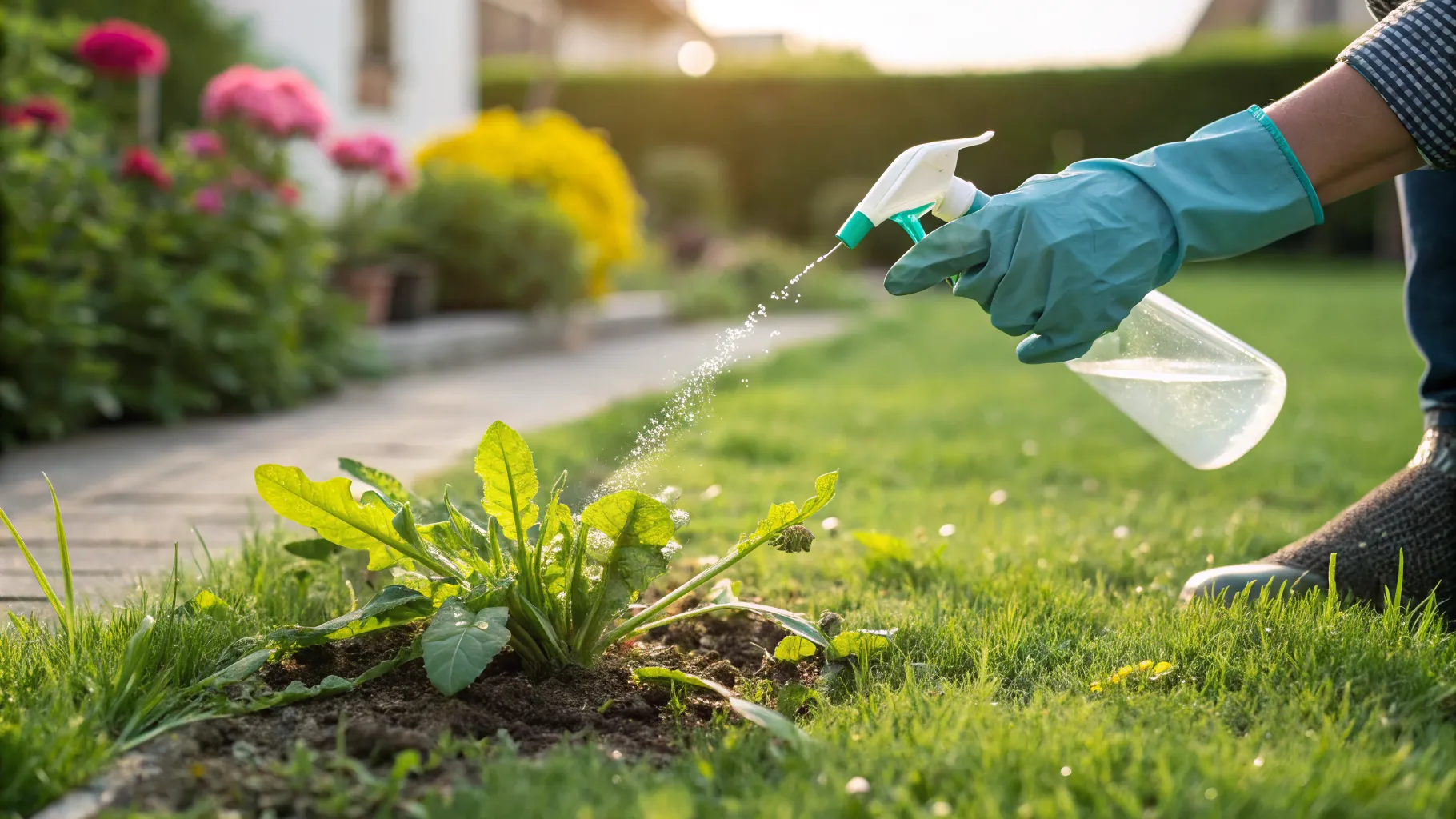
Many of the most effective organic weed killers can be made from simple, inexpensive ingredients you likely already have in your kitchen. These DIY solutions are not only budget-friendly but also give you complete control over what you're introducing into your garden's ecosystem. The key is understanding how each component works and the best way to combine and apply them for maximum efficacy. These methods primarily work by desiccating, or drying out, the plant foliage they come into contact with.
The Classic Vinegar and Salt Solution
One of the most popular and effective natural herbicides is the diy homemade vinegar and salt weed killer recipe. This potent combination works on contact to draw moisture out of the weeds, causing them to wither and die, typically within 24-48 hours. The acetic acid in vinegar is the primary active ingredient, which breaks down the cell walls of the plant's leaves. For a basic recipe, combine one gallon of white vinegar (5% acidity), one cup of table salt, and one tablespoon of liquid dish soap. The soap acts as a surfactant, helping the mixture stick to the weed's leaves instead of running off. It's crucial to apply this mixture directly to the weeds on a hot, sunny day, as the sunlight accelerates the desiccation process. Be aware that this is a non-selective killer, meaning it will harm any plant it touches, so careful application is essential to protect your desired flowers and grasses.
Leveraging Salt for Targeted Weed Management
Understanding how to use salt to kill weeds safely is vital for protecting your soil's long-term health. While highly effective, salt (sodium chloride) can sterilize the soil if used excessively, preventing anything from growing in that area for a long time. Therefore, it is best reserved for areas where you don't want any vegetation, such as cracks in driveways, walkways, and patios. To use it, you can dissolve salt in water and spray it on, or apply it directly to the base of the weed. A little goes a long way. This method should be avoided in garden beds or on lawns where you intend to grow other plants, as the salt will build up in the soil and can harm or kill surrounding vegetation and beneficial soil organisms.
The Epsom Salt Question Debunked
A common question that arises is, will epsom salt kill weeds permanently without killing grass? The short answer is no. This is a persistent gardening myth. Epsom salt is magnesium sulfate, a compound that actually provides essential micronutrients (magnesium and sulfur) to plants. Instead of killing them, it can actually help plants grow healthier. While a very high concentration might cause some foliar burn on certain weeds, it is not an effective or reliable herbicide. It will not kill weeds permanently, and it is far more likely to fertilize them along with your grass. For true weed control, it is better to stick to proven methods like vinegar-based sprays or other organic non toxic weed control methods lawns that are specifically designed to eliminate unwanted plants.
Beyond DIY: Commercial Organic Herbicides
For those who prefer a ready-to-use solution or are dealing with larger areas, the market for commercial organic herbicides has expanded significantly. These products offer powerful natural agricultural alternatives to chemical herbicides like glyphosate. Many are derived from natural acids (like acetic, citric, or caprylic acid), essential oils (such as clove oil or d-limonene from citrus), or corn gluten meal. Corn gluten meal is particularly interesting as it acts as a pre-emergent, inhibiting seed germination, which makes it an excellent choice for preventing new weeds in established lawns and gardens. When choosing a commercial product, always read the label to understand its active ingredients and whether it is selective (targets specific weeds) or non-selective (kills all plants it contacts).
A Comparative Look: Chemical vs. Organic Approaches
When comparing traditional chemical herbicides to their organic counterparts, several factors come into play. Chemical herbicides are often fast-acting and systemic, meaning they are absorbed by the plant and kill it from the root up, which can provide longer-lasting results from a single application. However, they can pose risks to pollinators, beneficial insects, soil microbiology, and can contaminate groundwater. On the other hand, most organic non toxic weed control methods lawns are contact-based, meaning they only kill the parts of the plant they touch. This may require repeat applications for stubborn perennial weeds with deep root systems. The significant advantage is their lower environmental impact and increased safety for use around children and pets. The choice ultimately depends on the gardener's priorities regarding efficacy, environmental safety, and long-term soil health.
Best Practices for Effective Organic Weed Control
To get the most out of your organic weed control efforts, following a few best practices is key. These steps will enhance the effectiveness of your chosen method and help you maintain a beautiful, weed-free garden sustainably.
- Apply on Sunny, Dry Days: Most organic contact herbicides work best in bright sunlight and when leaves are dry. The sun helps to accelerate the process of drying out the plant's foliage. Avoid applying before rain, which will wash the solution away.
- Target Weeds When They Are Young: It's much easier to control weeds when they are small and haven't had a chance to develop extensive root systems or produce seeds. Regular weeding is more effective than occasional, intensive sessions.
- Ensure Thorough Coverage: When using a spray like the diy homemade vinegar and salt weed killer recipe, make sure to coat all surfaces of the weed's leaves thoroughly. The dish soap in the recipe helps with this, but careful application ensures the entire plant is affected.
- Protect Desirable Plants: Because most organic sprays are non-selective, you must be careful to avoid overspray onto your flowers, vegetables, or lawn. Use a piece of cardboard as a shield to protect nearby plants during application.
- Embrace Integrated Pest Management (IPM): The most successful strategy involves more than just spraying. Use mulch to smother new weeds, employ manual pulling for larger ones, and maintain a healthy, dense lawn that naturally crowds out potential invaders. This holistic approach reduces reliance on any single method.
Frequently Asked Questions
How long does the diy homemade vinegar and salt weed killer recipe take to work?
You can typically see the effects of a vinegar and salt weed killer within 24 hours, especially if applied on a hot, sunny day. The leaves of the treated weeds will begin to wilt, turn brown, and shrivel. For more resilient weeds, a second application might be necessary a few days later to fully kill the plant.
Will these organic methods harm my lawn's grass?
Yes, most DIY and many commercial organic weed killers are non-selective, meaning they will harm or kill any plant they touch, including your grass. This is why targeted application is crucial. For solutions that are safe for lawns, look for specific organic non toxic weed control methods lawns like those based on corn gluten meal (pre-emergent) or chelated iron (selective for broadleaf weeds).
Are there any natural agricultural alternatives to chemical herbicides for large areas?
Yes, for larger-scale applications, horticultural vinegar (with 20-30% acetic acid) is a powerful option, but it must be handled with care, including wearing protective gear. Other methods for large areas include flame weeding, where a propane torch is used to heat and kill weeds, and solarization, which involves covering the soil with clear plastic to heat it and kill weeds and seeds. These are effective natural agricultural alternatives to chemical herbicides used in organic farming.
References
- University of Maryland Extension, "Herbicidal Soaps"
- Purdue University Agriculture, "Natural Weed Control in the Garden"
- Journal of Environmental Horticulture, "Efficacy of Organic Herbicides"
- National Pesticide Information Center, "Corn Gluten Meal Fact Sheet"
Authored by FreshLifeWire team