Ocular Tear Film Restoration Lubricating Mists: A Guide
Facts:
- The human tear film has three distinct layers: lipid, aqueous, and mucin.
- Atomized mists are a growing trend for convenient, on-the-go eye hydration.
How Lubricating Mists Revolutionize Ocular Surface Health
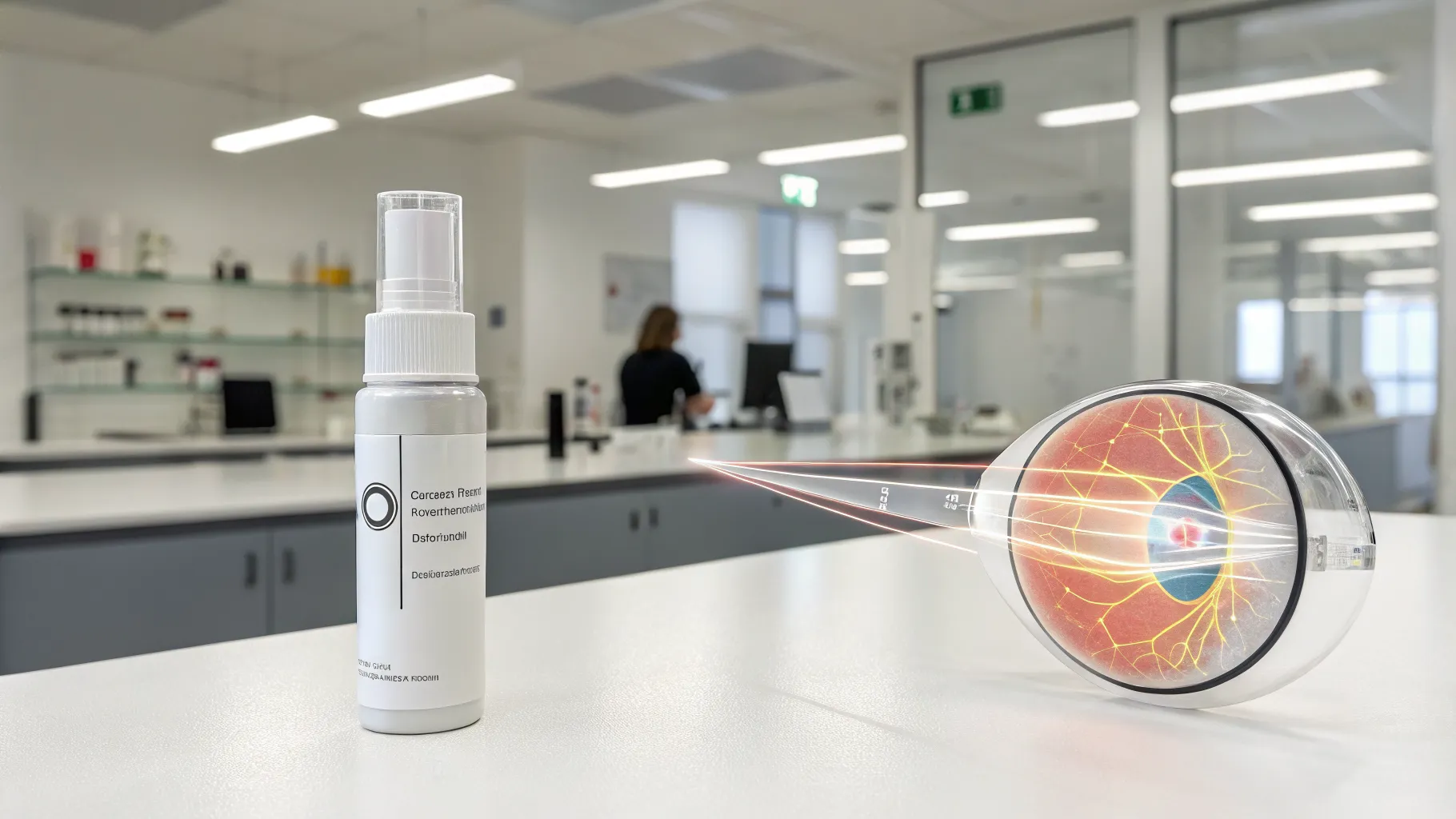
For millions suffering from the persistent discomfort of dry eyes, finding effective relief is a daily challenge. Traditional solutions often fall short, but a new frontier in ocular health is emerging: Ocular Tear Film Restoration Lubricating Mists. These advanced formulations go beyond simple rewetting, actively working to stabilize and replenish the eye's natural protective barrier. Unlike standard lubricating eye drops dry eye sufferers are accustomed to, these mists deliver a micro-fine spray that gently coats the cornea without causing blurring or discomfort. A critical part of their efficacy lies in understanding ocular surface evaporation, which is a primary cause of dryness. By reinforcing the lipid layer of the tear film, these mists significantly reduce moisture loss, providing prolonged comfort and promoting a healthier ocular environment. They represent a significant leap forward in managing symptoms associated with modern life, from extensive screen time to environmental irritants.
The Science of Tear Film Instability and Evaporation
To appreciate the innovation of these mists, one must first grasp the complexity of the ocular surface. The tear film is a delicate, multi-layered shield protecting the cornea. When this shield is compromised, it leads to rapid moisture loss, a phenomenon central to understanding ocular surface evaporation. The outermost lipid layer prevents tears from evaporating too quickly, the middle aqueous layer provides hydration and nutrients, and the inner mucin layer ensures the tear film adheres smoothly to the eye. Dry eye syndrome often stems from a deficiency in one or more of these layers, particularly the lipid layer. This is where soothing corneal hydration sprays excel. They are often formulated with lipid-replenishing agents that mimic the natural oils in our tears, directly addressing the root cause of evaporative dry eye. By stabilizing this crucial barrier, they not only rehydrate the eye but also prevent future moisture loss, offering a more sustainable solution than products that only add aqueous volume.
Mists vs. Drops: A Detailed Comparison for Dry Eye Sufferers
The choice between traditional drops and modern mists is a significant one for those seeking relief. While many are familiar with lubricating eye drops dry eye products, mists offer several distinct advantages. The primary difference is the delivery mechanism. Drops deliver a concentrated bolus of liquid that can sometimes overwhelm the tear duct system and cause temporary blurred vision. In contrast, soothing corneal hydration sprays atomize the solution into microscopic particles, creating a uniform, gentle coating across the entire ocular surface. This method feels more natural and is less disruptive to vision. Furthermore, many mists can be applied with eyes open or closed, making them more convenient and less likely to cause smudging of cosmetics. This makes them an ideal choice for on-the-go relief throughout the day. When considering artificial tears single use mists, users also benefit from a sterile, preservative-free application every time, reducing the risk of contamination and irritation common with multi-dose bottles.
An Informative Guide to Tear Duct Density and Ocular Health
While we often focus on tear production, tear drainage is an equally critical component of ocular health. This is where our informative guide to tear duct density becomes relevant. The tear ducts, or lacrimal puncta, are small openings in the corners of the eyelids that drain excess tears away from the eye's surface. The efficiency of this system impacts the overall volume and stability of the tear film. If drainage is too rapid, it can contribute to dryness. If it's blocked, it can lead to excessive tearing. Ocular lubricating mists are beneficial in this context because their fine-particle delivery helps maintain a balanced tear lake volume without flooding the system. Unlike a large, single drop that might be immediately drained away, the mist provides sustained hydration that remains on the ocular surface longer, allowing for better absorption and therapeutic effect. This balanced approach supports the natural function of the tear drainage system rather than overwhelming it.
How to Select the Ideal Ocular Lubricating Mist
Choosing the right product is key to achieving optimal results. With a growing market for soothing corneal hydration sprays, it's important to know what to look for. Here is some actionable advice to guide your selection:
- Prioritize Preservative-Free Formulas: For frequent use, preservative-free options are essential. Many preservatives, like benzalkonium chloride (BAK), can cause further irritation and damage to the ocular surface over time. Look for artificial tears single use mists or products with gentle, disappearing preservatives.
- Examine the Active Ingredients: Look for hydrating agents like hyaluronic acid, trehalose, or glycerin. For evaporative dry eye, formulations containing lipid components (e.g., mineral oil, phospholipids) are crucial for reinforcing the tear film's outer layer and preventing moisture loss.
- Consider Your Specific Symptoms: If your eyes feel gritty and dry, a formula focused on aqueous hydration might be best. If they burn and water excessively, it could be a sign of evaporative dry eye, making a lipid-enhancing spray a better choice. Understanding your symptoms will help you find a targeted solution.
- Check the Delivery System: The quality of the atomizer matters. A good misting device will produce a consistently fine, gentle spray. This ensures even coverage and a comfortable application experience without the shock of a cold, large droplet.
Advanced Application Techniques for Maximum Efficacy
Using your ocular mist correctly can significantly enhance its benefits. While seemingly straightforward, a few techniques can improve the performance of your chosen soothing corneal hydration sprays. First, hold the bottle approximately 8-10 inches from your face. This distance allows the mist to atomize properly before reaching your eyes. Spraying too close can result in large droplets that defeat the purpose of the misting technology. Many products are effective even when sprayed onto closed eyelids, as the fine particles will gently seep between the lids to coat the eye. For direct application, a gentle, partial blink after spraying can help distribute the solution evenly across the cornea without squeezing it all out. Unlike the head-tilt required for many lubricating eye drops dry eye users know, mists can be applied quickly and discreetly in any setting, making consistent use throughout the day much easier to maintain.
Frequently Asked Questions
How often can I use soothing corneal hydration sprays?
For preservative-free formulas, you can typically use them as often as needed throughout the day to manage discomfort. It is always best to follow the manufacturer's instructions or consult with your eye care professional for personalized advice based on your specific condition.
Are artificial tears single use mists better than multi-dose bottles?
Single-use mists or vials offer the significant advantage of being sterile and preservative-free for every application. This minimizes the risk of bacterial contamination and irritation from preservatives, making them an excellent choice for individuals with sensitive eyes or those who use mists frequently.
Can these mists help with issues related to understanding ocular surface evaporation?
Absolutely. In fact, this is one of their primary strengths. Many advanced mists are specifically formulated with lipid-based ingredients to restore the outermost layer of the tear film, which directly combats and reduces the rate of tear evaporation from the eye's surface.
References
- Journal of Ophthalmology and Vision Science studies on tear film dynamics.
- Cornea Research Foundation publications on modern dry eye treatments.
- National Eye Institute reports on ocular surface disease and management.
- Clinical and Experimental Optometry reviews of spray-based artificial tears.
Authored by FreshLifeWire team