Nursing Homes for Seniors Comprehensive Senior Care Guide
Nursing Homes for Seniors: The Solution for Quality Elderly Care
In today's world, as our loved ones age, finding appropriate support often becomes a top priority. Nursing homes for seniors, commonly known as senior care facilities, play a crucial role in providing a safe environment tailored to the unique needs of elderly individuals. With the growing demand for quality elder care, understanding the various options available can make all the difference in ensuring our loved ones receive the care they deserve.
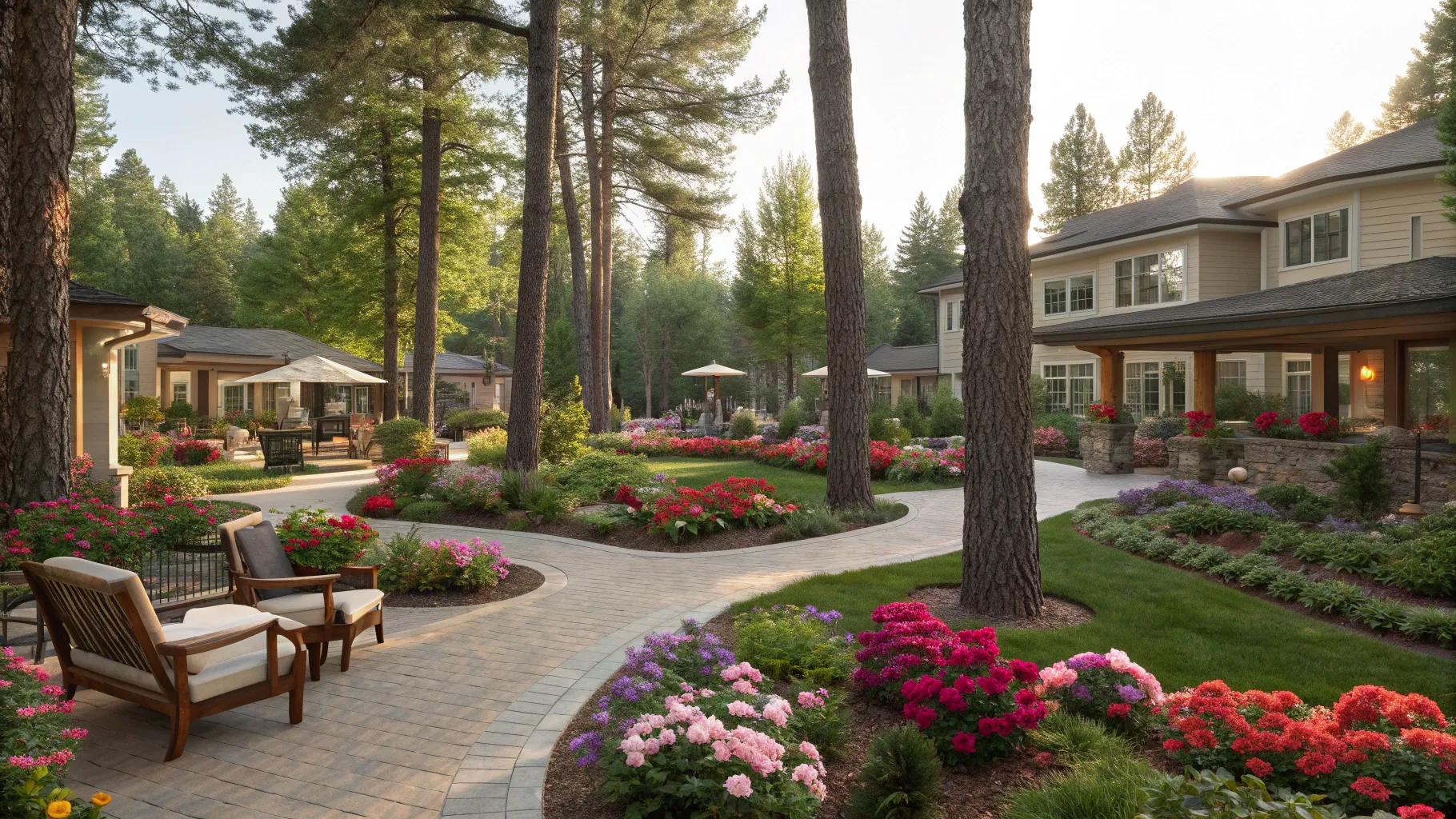
Understanding the Landscape of Senior Care Facilities
The term "nursing homes for seniors" encompasses a wide variety of living arrangements designed to aid elderly residents who require assistance with daily activities or medical care. In the United States alone, approximately 1.4 million seniors reside in nursing homes, a number projected to increase as the population ages. These facilities range from traditional nursing homes to assisted living options, retirement homes, and elderly care communities.
The Spectrum of Senior Living Options
Each type of facility serves different needs with varying levels of care. For instance, assisted living options are designed for seniors who can still maintain some independence but might benefit from additional support with daily tasks such as bathing, dressing, and medication management. Meanwhile, traditional nursing homes offer 24-hour nursing services and medical care, making them suitable for seniors with chronic health conditions.
- Nursing Homes: Provide extensive medical care for residents with significant health issues.
- Assisted Living Facilities: Offer more personal freedom with some support available.
- Retirement Homes: Typically cater to active seniors looking for community engagement.
- Elderly Care Communities: Combine housing, healthcare, and social opportunities in a supportive environment.
It's essential for families to explore these various senior living centers carefully. Touring facilities and speaking with staff can help gauge what would truly fit the needs of a loved one. Today’s elderly individuals often want more than just basic care; they seek a community where they can continue to engage in life.
The Importance of Choosing the Right Facility
When it comes to long-term care for seniors, the selection of an appropriate residence can often be daunting. Factors such as location, cost, amenities, and staff-to-resident ratio contribute significantly to the overall care experience. Recent survey data from 2024 showed that 68% of families cited a warm, welcoming environment as their top priority when selecting a nursing home. When residents feel at home, they are more likely to experience improved emotional and physical health.
Case studies from facilities across the country illustrate that a personalized approach significantly impacts residents' well-being. For instance, at Golden Oaks Care Home in Wisconsin, research highlighted a 30% increase in resident satisfaction after they implemented a community garden. This initiative allowed residents to engage in gardening activities, fostering not only physical activity but also social interaction among residents.
Financial Considerations for Senior Care
Understanding the financial aspects of different care options is vital, especially since the costs associated with nursing homes can vary significantly. According to the Genworth Cost of Care Survey from 2024, the average annual cost of a private room in a nursing home is approximately $105,000, while an assisted living facility can cost around $48,000 per year. Medicare may cover a portion of skilled nursing care, but it's important to assess the details, as coverage can vary widely based on individual circumstances.
Families should consider not only the financial implications but also the value of the services being offered. Some facilities may offer tailored care plans that ensure personalized support, which could reduce hospital readmissions, thus potentially saving on healthcare costs over time.
Emphasizing Quality of Life in Senior Living
Quality of life often comes down to how much autonomy residents have, the quality of social interactions they enjoy, and the variety of activities available to them. Facilities that focus on enhancing the quality of life provide more than living space—they create communities. For example, the Rivers Edge Elderly Care Community recently initiated a "Neighbor-to-Neighbor" program to encourage socialization and peer support among residents, leading to a noted decrease in feelings of isolation during the pandemic.
In many modern facilities, you'll also find technology integrated into daily operations, improving communication not just between staff and residents but also among families. Video calls, virtual events, and online activity calendars have all contributed to a more connected living experience, fostering community ties and support. As we continue into 2025, the approach to elderly care and senior living centers is evolving. Increased awareness of mental health, combined with a more compassionate approach to care, is shaping how these facilities operate. Families now actively seek places that not only provide care but also focus on enriching the lives of seniors, ensuring that our elderly population can enjoy their golden years with dignity and joy.
When considering nursing homes for seniors, it's essential to remember that this decision impacts not just the individual receiving care but also their family. Thus, taking the time to research and understand the options available can lead to the best possible outcome for everyone involved.
Authored by FreshLifeWire team