Non Surgical Skin Tightening Technologies and 2025 Innovations
Non surgical skin tightening offers effective solutions for addressing mild to moderate skin laxity without downtime. This guide explores the leading energy based technologies Radiofrequency (RF) and Ultrasound detailing how they stimulate collagen and elastin for a firmer, youthful appearance.
The Science Behind Non Surgical Skin Tightening
Non surgical skin tightening treatments use various forms of energy to heat the deeper layers of the skin (the dermis). This controlled heating achieves two goals: it immediately tightens existing collagen fibers, and more importantly, it triggers the body's natural wound healing response, stimulating the long term production of new collagen and elastin.
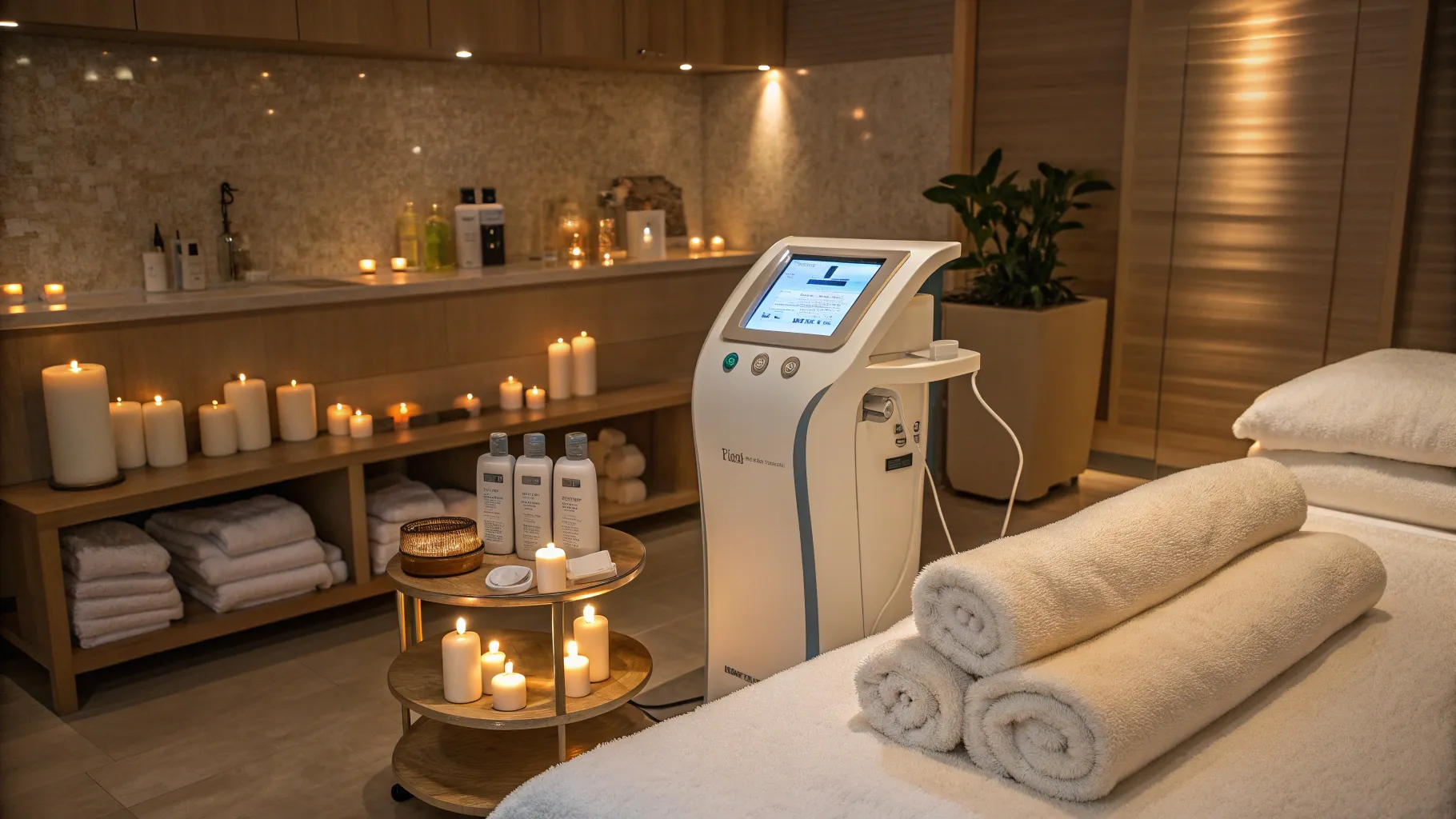
Key Technologies Driving Non Surgical Results
The most proven and popular methods rely on delivering thermal energy precisely to the deeper foundational tissues without damaging the surface of the skin (epidermis).
1. Focused Ultrasound (e.g., Ultherapy)
- Mechanism: This technology delivers focused sound waves that bypass the surface of the skin to heat the foundational tissue layers, including the Superficial Musculoaponeurotic System (SMAS) which is the layer targeted in surgical facelifts.
- Best For: Treating moderate laxity in the neck, chin, and brow area. It is known for achieving significant lifting and requires only a single session for initial results.
- Downtime: Minimal to none, though some temporary redness or slight swelling may occur.
2. Radiofrequency (RF) Energy (e.g., Thermage, Morpheus8)
- Mechanism: RF technology uses electrical current to generate bulk heat in the dermis. Newer **Microneedling RF** devices (like Morpheus8) combine microneedles to deliver the RF energy directly and precisely to specific depths, maximizing collagen induction both through heat and mechanical injury.
- Best For: Improving skin texture, addressing fine lines, tightening the jawline, and reducing small pockets of fat.
- Downtime: Typically minimal for traditional RF; slightly longer (1 to 3 days) for Microneedling RF due to the needle penetration.
3. Laser and Light Systems
- Mechanism: Certain non ablative lasers (Nd:YAG, broadband light) can penetrate the skin to induce mild heat, primarily targeting the surface layers to improve skin tone and produce subtle tightening over multiple sessions.
- Best For: Treating minor skin laxity and simultaneous correction of pigmentation and texture issues.
Candidate Profile and Expected Outcomes
Non surgical treatments are highly effective, but they cannot replicate the results of plastic surgery. Setting realistic expectations is essential.
- Ideal Candidate: Individuals experiencing mild to moderate skin laxity (not severe sagging). Candidates should have good general health and realistic expectations about non surgical limitations.
- Timeline: Results are typically **gradual** and appear over 2 to 6 months as the body naturally produces new collagen. Maintenance sessions may be recommended.
- Safety: These procedures must be performed by or under the supervision of a licensed dermatologist or plastic surgeon to ensure proper technique and safety protocols are followed.
Authored by FreshLifeWire team