Non Irritating Foods for Pelvic Floor and Bladder Comfort: A Complete Guide
Facts:
- Diet is a primary trigger for bladder irritation.
- A non irritating urinary tract diet is a growing trend for managing pelvic health.
The Crucial Link: How Your Diet Impacts Pelvic Cavity Health
Navigating daily life with bladder or pelvic floor discomfort can be challenging, but understanding the triggers is the first step toward relief. Many common foods, particularly those that are acidic, spicy, or contain artificial ingredients, can irritate the sensitive lining of the urinary tract and exacerbate symptoms. Adopting a diet focused on non irritating foods for pelvic floor bladder comfort is a cornerstone of managing these conditions. This approach, often referred to as a non irritating urinary tract diet, prioritizes whole foods that are gentle on your system. It's not about restriction, but rather about making informed choices that support your body's natural balance. By focusing on an informative guide to pelvic cavity health through nutrition, you can significantly reduce inflammation and discomfort, paving the way for better overall well-being and control.
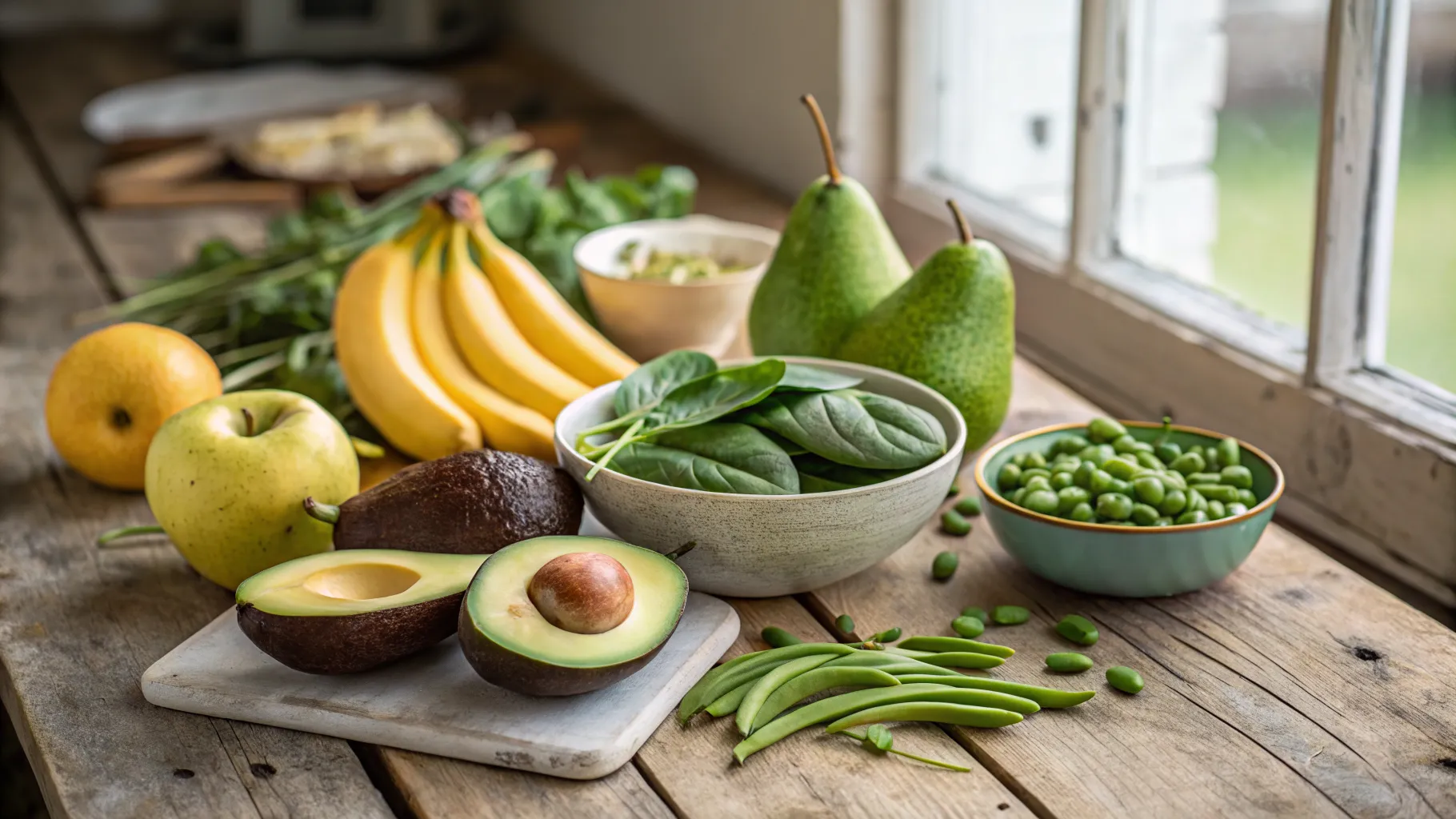
Your Go-To List of Bladder Friendly Low Acid Foods
Creating a diet that supports your pelvic floor and bladder doesn't have to be complicated. The key is to focus on foods that are naturally low in acid and free from common irritants. These foods help maintain a more neutral pH balance in the body, reducing the likelihood of triggering inflammation in the urinary tract. Here is a detailed breakdown of some of the best bladder friendly low acid foods to add to your grocery list.
Pears and Bananas
These fruits are excellent choices because they are low in acid compared to citrus fruits or tomatoes. Pears are particularly beneficial as they are high in fiber and water content, which aids in healthy digestion and hydration—both crucial for bladder health. Bananas are a great source of potassium, which can help counteract high sodium levels that may irritate the bladder. Incorporating these fruits into your daily routine is a simple step in your journey to understanding alkaline mineral food selection.
Lean Proteins: Chicken, Turkey, and Fish
Protein is essential, but some sources are better than others. Opt for baked, broiled, or steamed lean proteins like skinless chicken, turkey, and low-mercury fish such as salmon or cod. Avoid processed meats, which are often high in nitrates and sodium that can be harsh on the bladder. These lean options provide essential amino acids without adding inflammatory elements, making them a staple in effective pelvic floor layer comfort recipes.
Oats and Rice
Whole grains like oatmeal and brown rice are fantastic complex carbohydrates that provide sustained energy without causing irritation. They are naturally low in acid and provide soluble fiber, which can help prevent constipation—a condition known to put extra pressure on the pelvic floor and bladder. They serve as a perfect base for many meals in a non irritating urinary tract diet.
Low-Acid Vegetables
Focus on vegetables like cucumbers, broccoli, cauliflower, mushrooms, asparagus, and leafy greens. These are not only packed with vitamins and minerals but are also alkaline-forming, which helps to soothe the urinary system. They form the foundation of a diet aimed at supporting pelvic cavity health and are versatile enough for countless recipes.
Building Delicious Pelvic Floor Layer Comfort Recipes
Eating for bladder health can and should be delicious. The focus is on combining gentle ingredients in creative ways. Forget bland and boring; it's time to embrace flavorful meals that soothe. A successful non irritating urinary tract diet is built on simple, wholesome recipes. For example, a breakfast of oatmeal with sliced bananas and a sprinkle of cinnamon provides fiber and potassium. For lunch, a grilled chicken salad with mixed greens, cucumber, and a simple olive oil vinaigrette is both satisfying and safe. Dinner could be baked salmon with a side of roasted asparagus and brown rice. These pelvic floor layer comfort recipes prove that you don't have to sacrifice taste for comfort.
Understanding Alkaline Mineral Food Selection for Bladder Health
The concept of an alkaline diet is central to bladder comfort. Foods are categorized as acidic or alkaline based on the residue they leave after being metabolized. Irritating foods like coffee, alcohol, citrus, and tomatoes are highly acidic. In contrast, most vegetables, low-acid fruits, and certain whole grains promote an alkaline environment. This is the core principle behind understanding alkaline mineral food selection. An alkaline-focused diet helps reduce the acid load on your kidneys and bladder, minimizing irritation and inflammation. Keeping a food diary can be an invaluable tool in this process, helping you identify which specific foods trigger your symptoms and which ones help you feel your best. This personalized approach is a key part of any informative guide to pelvic cavity health.
Actionable Steps for Your Non Irritating Urinary Tract Diet
Making lasting dietary changes can feel overwhelming, but breaking it down into manageable steps makes it achievable. Here are practical tips to get you started on creating a sustainable, bladder-friendly lifestyle.
- Hydrate with Water: Aim to drink plenty of plain water throughout the day. Water helps dilute urine, making it less concentrated and less likely to irritate the bladder lining. Avoid sugary drinks, caffeine, and alcohol.
- Read Labels Carefully: Many processed foods contain hidden irritants like citric acid, monosodium glutamate (MSG), and artificial sweeteners. Become a savvy shopper and always check the ingredient list before you buy. This is crucial for maintaining a strict diet of bladder friendly low acid foods.
- Cook at Home: Preparing your own meals gives you complete control over the ingredients. This allows you to create delicious pelvic floor layer comfort recipes without worrying about hidden triggers found in restaurant or takeout food.
- Introduce New Foods Slowly: When reintroducing foods or trying new ones, do so one at a time. This helps you accurately pinpoint any potential triggers and fine-tune your personal non irritating urinary tract diet for optimal results.
Frequently Asked Questions
What are the worst foods for bladder irritation?
The most common bladder irritants are often referred to as the '4 Cs': caffeine (coffee, tea, soda), carbonated beverages, citrus fruits and juices, and chocolate. Other major triggers include tomatoes, spicy foods, alcohol, and artificial sweeteners. Avoiding these is a primary goal of a non irritating urinary tract diet.
Can a diet really improve pelvic floor health?
Absolutely. Diet directly impacts inflammation, muscle function, and nerve sensitivity. By choosing non irritating foods for pelvic floor bladder comfort, you reduce the inflammatory load on your body, which can decrease pain signals and support muscle relaxation. Furthermore, avoiding foods that cause constipation reduces physical strain on the pelvic floor muscles.
How long does it take to see results from a bladder-friendly diet?
While some people notice improvements within a few days, it can take several weeks for the full benefits to become apparent as your body heals and inflammation subsides. Consistency is key. Sticking to a diet rich in bladder friendly low acid foods gives your urinary system the best chance to recover.
References
- Interstitial Cystitis Association (ICA) - Diet and Nutrition Information
- National Institute of Diabetes and Digestive and Kidney Diseases (NIDDK)
- Pelvic Pain Foundation of Australia - Dietary Guidelines
- Urology Care Foundation - Bladder Health and Diet
Authored by FreshLifeWire team