Non-invasive Cardiac Imaging for Seniors Heart Health
Understanding Non-invasive Cardiac Imaging for Heart Health Diagnostics
As we continue to navigate through an era where healthcare technology is advancing at a rapid pace, non-invasive cardiac imaging has emerged as a pivotal tool in heart health diagnostics. Especially for seniors, the implications of these advancements are profound, with various modalities such as cardiac CT and MRI gaining traction in clinical environments. This article delves into these imaging techniques, examining their accuracy, costs, risks, and their role in comprehensive follow-up care.
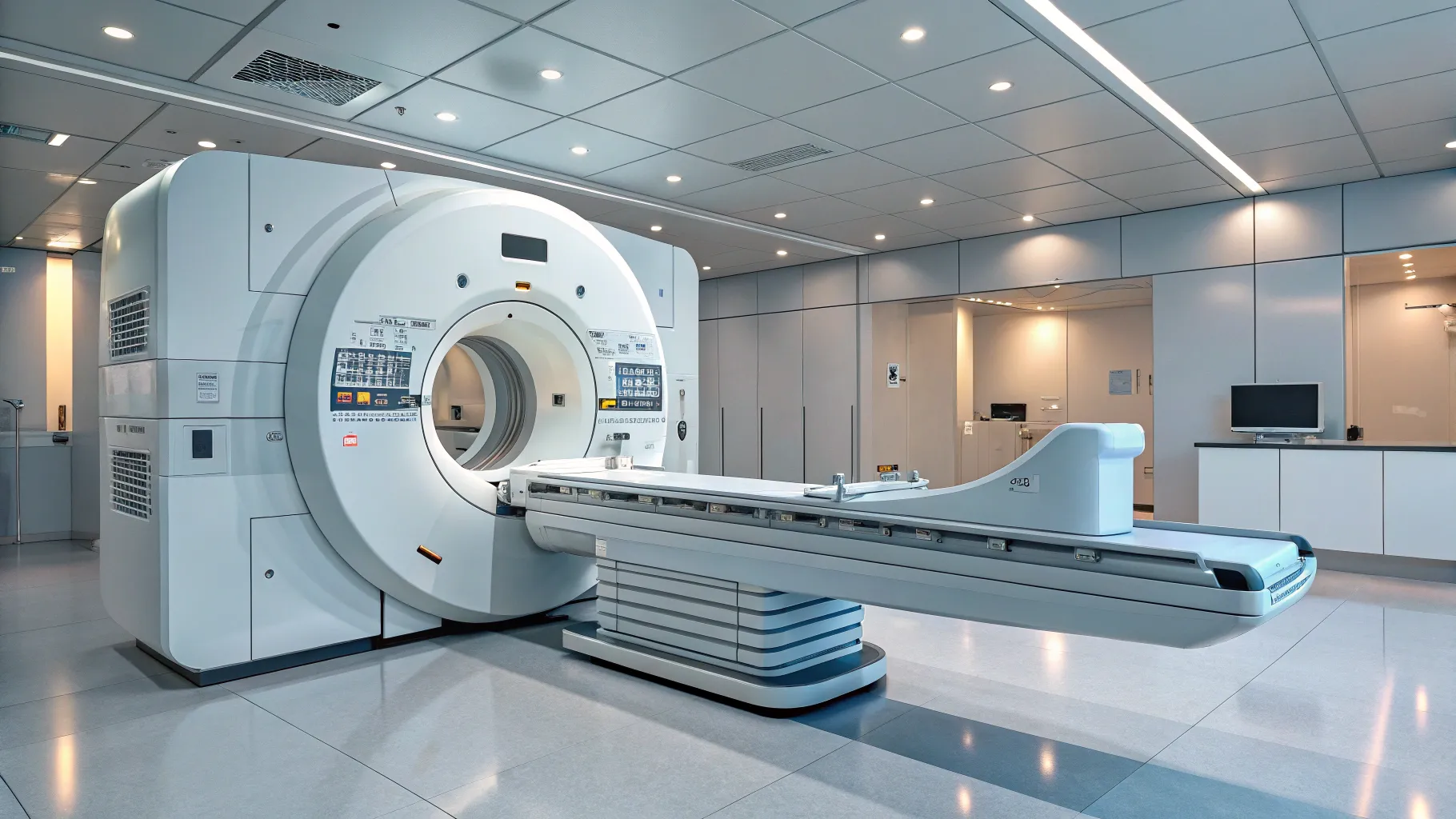
What is Non-invasive Cardiac Imaging?
Non-invasive cardiac imaging refers to a group of diagnostic techniques that allow healthcare professionals to visualize the heart and its surrounding structures without the need for surgical procedures. These methods are particularly vital for seniors who may have multiple health concerns, increasing the urgency for accurate and safe diagnostic pathways.
Among the most utilized non-invasive imaging techniques are:
- Cardiac CT: This method uses X-ray technology to create detailed images of the heart and blood vessels, enabling detection of coronary artery disease and other heart conditions.
- MRI for Seniors: Cardiac Magnetic Resonance Imaging (MRI) allows for an in-depth analysis of both the structure and function of the heart, providing data that is crucial in managing heart disease.
Cardiac CT: A Reliable Imaging Modality
Cardiac CT is known for its speed and accuracy. Recent studies affirm that the accuracy of cardiac CT scans has reached levels over 90% in diagnosing coronary artery disease, making it a first-line imaging choice for many patients. The scan takes only minutes, requiring minimal preparation and typically involving no more than a simple medication to heart rates if needed.
For seniors particularly, cardiac CT presents a non-invasive option that minimizes the physical risk associated with traditional procedures. Moreover, advancements have reduced radiation exposure. In fact, many modern cardiac CT scanners can provide high-resolution images with reduced doses by up to 50% compared to older technologies.
On the financial side, costs for cardiac CT vary significantly depending on location, facility, and the specific technology used. On average, a cardiac CT scan can range between $1,000 and $2,500. While this price point may seem daunting, it is essential to consider this as a preventative measure, potentially saving thousands in later treatments for advanced heart disease. Health insurance plans often cover these costs, especially if a patient has a clinician referral.
Risks and Considerations of Cardiac CT
While the benefits of cardiac CT are substantial, it is not without its risks. Radiation exposure, although much lower now due to technological advancements, is still a concern especially in a demographic such as seniors who may have other risk factors. Additionally, there is a small risk of contrast-induced nephropathy if contrast dye is used, an important consideration for patients with pre-existing kidney conditions.
Discussing any potential risks with a healthcare provider is crucial, as they can provide tailored advice based on individual health histories.
MRI for Seniors: A Doorway to Detailed Heart Analysis
MRI for seniors provides an entirely different approach to cardiac assessment. Unlike cardiac CT, MRI uses magnetic fields and radio waves to generate images, making it safer in terms of radiation exposure. Its use has become more prevalent in recent years due to its unparalleled capability to capture detailed images of soft tissues, such as heart muscle, which is critical for diagnosing cardiomyopathy or heart valve issues.
New advancements in MRI technology allow for real-time imaging, significantly enhancing diagnostics. Research shows that cardiac MRI can detect subtle changes in myocardial viability which can be pivotal for treatment decisions. For seniors, this means a more precise analysis of heart conditions that may have been missed by other imaging modalities.
Despite the advantages, there are challenges. The cost of a cardiac MRI can be high, often ranging from $1,500 to $4,000, and it may not always be covered by insurance, particularly when used for routine screening rather than specific symptoms. Therefore, it's vital for individuals to consult their healthcare provider regarding the appropriateness and necessity of the test.
Follow-up Care and Implications for Heart Health
One of the most significant benefits of non-invasive cardiac imaging is its role in follow-up care. These imaging techniques allow for better monitoring of heart conditions, ensuring that any changes in health status can be detected early. For seniors, regular monitoring is particularly critical given the increased likelihood of developing heart-related issues.
After initial imaging, doctors can effectively devise treatment plans, which may include lifestyle modifications, medications, or further interventions. A proactive approach can substantially improve heart health outcomes, especially when combined with routine lifestyle factors such as diet, exercise, and regular check-ups.
In recent months, clinicians have underscored the importance of integrating these imaging tools with comprehensive care pathways. This multidisciplinary approach ensures that seniors are not only receiving appropriate diagnostics but are also offered holistic support tailored to their unique health needs.
In summary, the field of non-invasive cardiac imaging stands as an invaluable asset in heart health diagnostics for seniors. Techniques such as cardiac CT and MRI bridge the gap between safety, accuracy, and effective patient care. By leveraging these technologies, healthcare providers can enhance the management of cardiovascular diseases, paving the way for healthier futures. As we step further into 2025, it is clear that this evolution in cardiac imaging will continue to transform how we view and treat heart health.
Authored by FreshLifeWire team