New Build vs Refurbished Properties Pros Cons Prices Guide
New Build vs Refurbished Properties – A Comprehensive Comparison
When it comes to selecting a home, one of the first questions prospective buyers or investors grapple with is whether to choose a new build or a refurbished property. Each option has distinct advantages and disadvantages that cater to a variety of lifestyles, budgets, and investment goals. As we delve into this comparison, it becomes necessary to consider aspects such as cost, maintenance, energy efficiency, and overall lifestyle experience. In 2025, understanding the real estate landscape is crucial for making informed decisions.
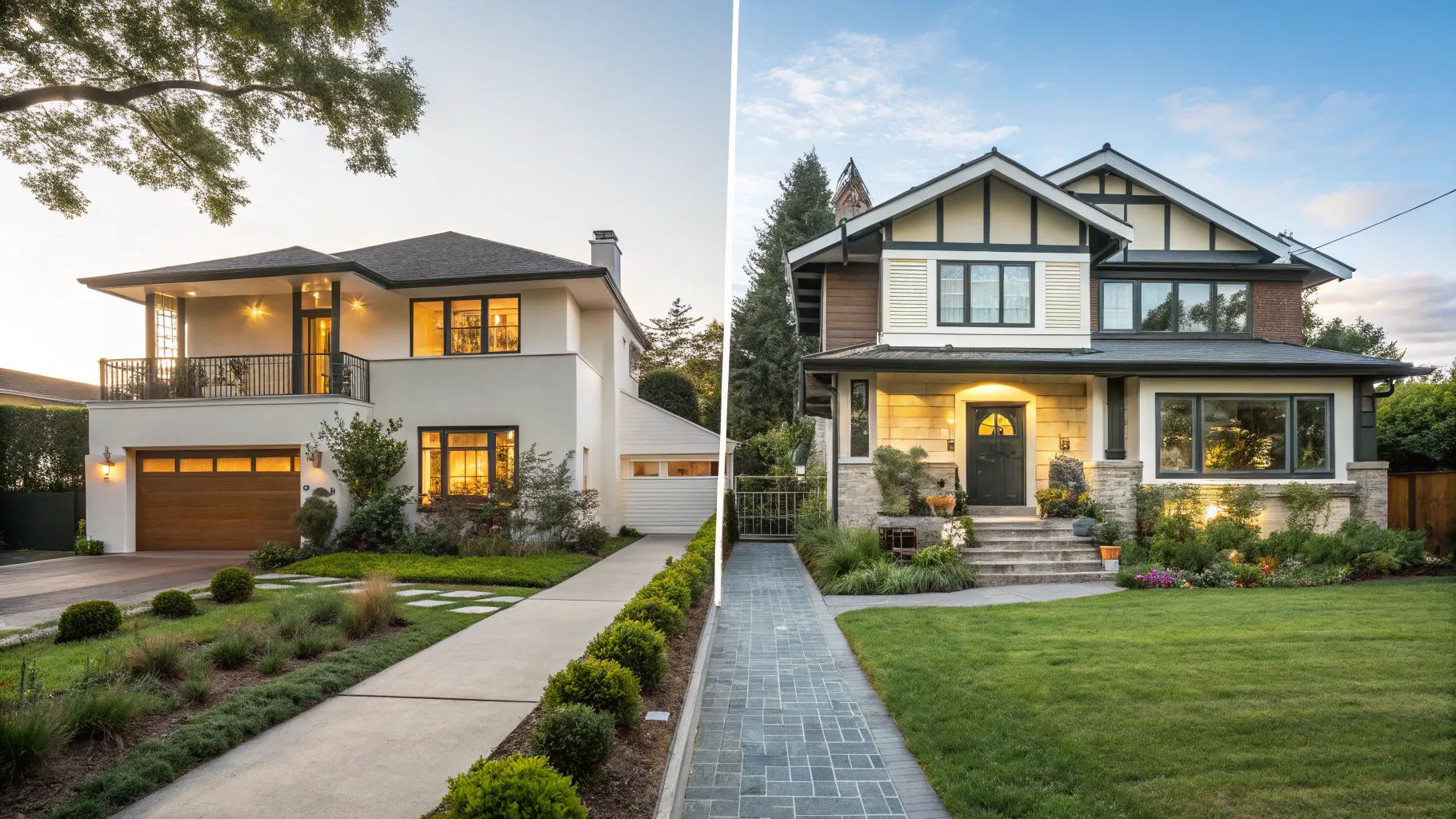
Cost Considerations for New Build vs Refurbished Properties
Cost is often the primary factor influencing home-buying decisions. On average, new builds typically represent a higher initial investment compared to refurbished homes. In 2025, the average cost of a newly constructed home stands at approximately £320,000 in the UK, influenced by rising material costs, labor shortages, and demand in urban centers.
In contrast, refurbished properties can range significantly in price. Basic refurbishments may see homes priced around £250,000, but comprehensive renovations can push costs to near or above new build prices. This is particularly common in popular neighborhoods where older properties are situated, providing the allure of charm combined with modern amenities, a vital consideration for buyers looking for character.
Maintenance and Upkeep: New vs Refurbished
Maintenance needs can vary drastically between new builds and refurbished homes. New builds often come with guarantees – usually around ten years – covering structural defects and providing peace of mind for buyers. The latest materials and construction methods are also designed to minimize future maintenance, which can save homeowners significant time and money.
Conversely, refurbished properties can come with hidden costs. Depending on the extent of renovation, older homes may require ongoing maintenance for plumbing, electrical systems, or roofing. Recent data suggests that homeowners of refurbished properties should budget around 1% to 3% of their home’s value for annual maintenance, reflecting the reality of managing older systems and materials.
Energy Efficiency: A Key Consideration
Energy efficiency is more than just a buzzword; it’s a vital consideration when choosing between new builds and refurbished properties. New builds are constructed with stringent energy standards in mind. Features such as superior insulation, double-glazing, and eco-friendly heating systems have made these homes essential in reducing energy bills and minimizing environmental impacts.
In 2025, statistics show that new properties can be up to 30% more energy efficient compared to their older counterparts. On the other hand, refurbished homes can achieve improved energy efficiency, but this often depends on the quality of the refurbishments. Buyers should seek out homes that have undergone significant upgrades, particularly those that have earned energy performance certificates (EPC) rated "B" or above.
Investment Value: Long-Term Returns on New vs Refurbished Properties
Investment value is another critical point in deciding between buying a new build or a refurbished property. Generally, new builds maintain their value better over the years. Their modern features and appeal tend to attract buyers more rapidly, especially among families and first-time buyers.
However, refurbished homes often provide significant potential for appreciation. Properties in desirable areas that have been improved can increase in value more dramatically than their newer counterparts. Data from last year shows that well-refurbished homes outperformed new builds in the boutique neighborhoods, showing a price rise of up to 15% compared to the overall housing market growth of 10%.
Lifestyle Differences: What to Expect
The choice between new builds and refurbished properties goes beyond just costs and investment returns; it often reflects a preference for lifestyle. New builds generally offer modern layouts, open floor plans, and community amenities that appeal to younger buyers. In contrast, refurbished homes can deliver unique character, historical touches, and established neighborhoods that resonate with those seeking charm and personality.
Furthermore, location plays a pivotal role. Many new builds are popping up in outskirt neighborhoods where land is more affordable, while refurbished properties are often found in established urban areas, attracting buyers who prioritize convenience and community. This significant difference shapes the kind of lifestyle one can lead in either type of property.
Tips for Choosing Between New Build and Refurbished Homes
- Assess Your Budget: Determine how much you can afford, factoring in both initial costs and potential maintenance expenses.
- Research Locations: Look for areas where property values are on the rise and consider the lifestyle each neighborhood offers.
- Inspect Thoroughly: For refurbished homes, hire professionals to check for structural issues, as this can save you from costly repairs later.
- Consider Energy Efficiency: Look for energy ratings on new builds and any green upgrades on refurbished ones.
- Think Long-Term: Consider how long you plan to stay in the property and whether potential resale value aligns with your investment goals.
Ultimately, the choice between a new build and a refurbished property hinges on personal preferences, financial constraints, and long-term goals. In 2025, as the property landscape continues to evolve, remaining informed about these nuances will empower buyers to make choices that not only meet their immediate needs but also pave the way for a stable and fulfilling future.
Authored by FreshLifeWire team