A Definitive Guide to Neutralizing Musty Basement and Crawlspace Smells
Facts:
- Musty odors are primarily caused by mold and mildew.
- A growing trend for homeowners is installing smart dehumidifiers with app control.
Decoding the Musty Scent: Your First Step to a Fresher Home
That distinct, earthy smell in your basement or crawlspace is more than just an annoyance; it's a clear signal of excess moisture and potential mold or mildew growth. Ignoring it can lead to worsening air quality and even structural issues over time. The key to successfully neutralizing these stubborn odors is a multi-pronged approach that starts with identifying the moisture source and ends with proactive air quality management. Whether you're looking for quick solutions or a permanent fix, understanding how to remove basement musty smell is essential for maintaining a healthy and pleasant living environment. This guide will walk you through everything from simple DIY tricks to comprehensive strategies designed to clean lower foundation air and ensure the problem is gone for good.
Identifying the Root Cause of Persistent Musty Odors
Before you can begin any treatment, you must play detective. The first step to permanently remove basement musty smell is to pinpoint the source of the moisture that fuels mold and mildew. Common culprits include foundation cracks, leaking pipes, window well drainage issues, high humidity from condensation on pipes and walls, or even improper exterior grading that directs rainwater toward your home. A thorough inspection is crucial. Check all corners, behind stored items, and around plumbing fixtures for visible signs of water, dampness, or discoloration. A high-quality hygrometer can help you measure the ambient humidity; levels consistently above 50-60% create a perfect breeding ground for mold. Addressing the underlying water problem is the only way to achieve long-term success in your crawlspace odor clearing efforts.
Your Guide to Effective DIY Basement Moisture Absorbers
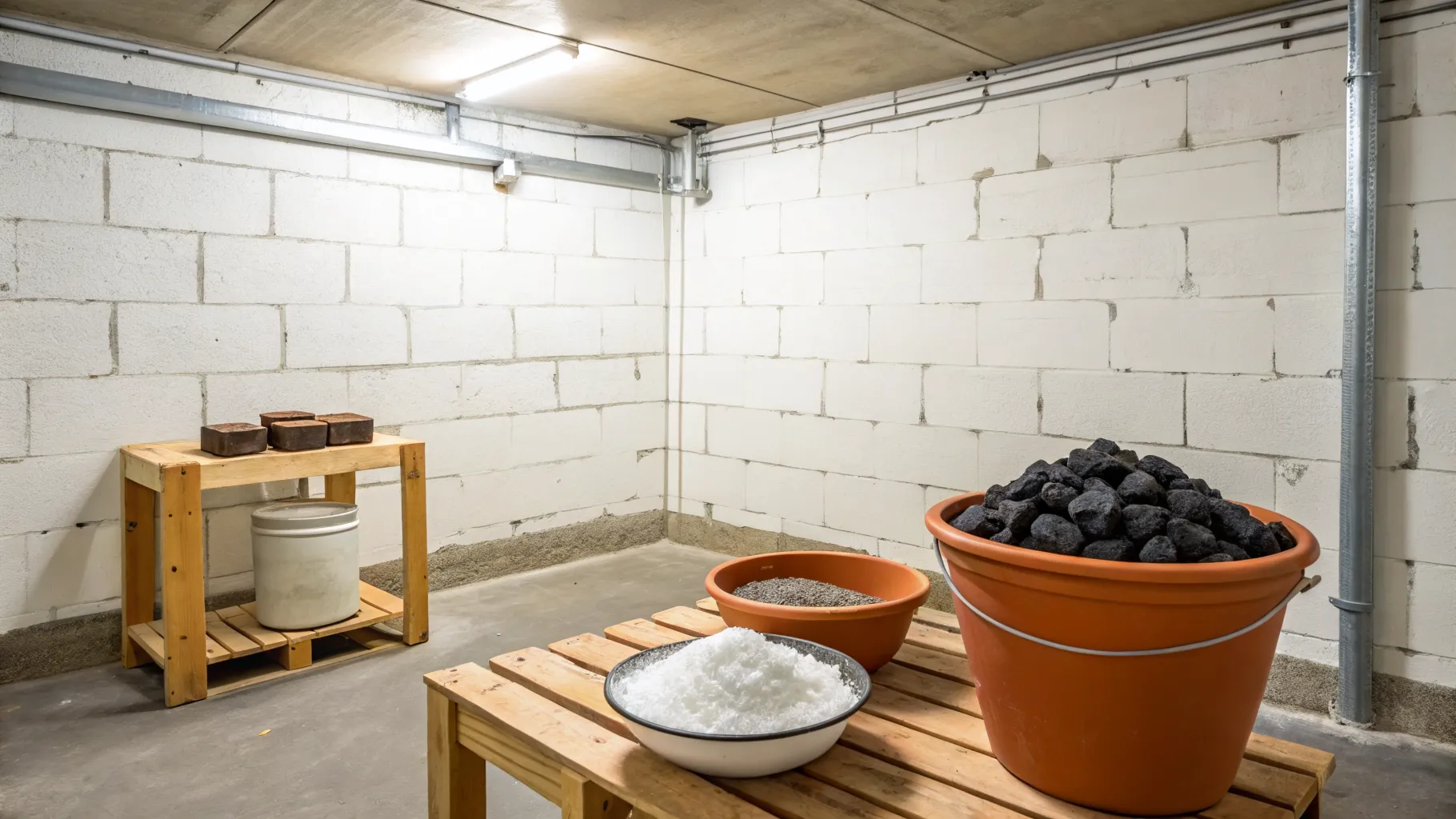
Once you've begun addressing any major leaks, you can tackle the ambient dampness with cost-effective solutions. Creating your own diy basement moisture absorbers is an excellent way to manage humidity levels without a significant investment. These methods are particularly useful for smaller areas or as a supplementary measure alongside a dehumidifier. They work by drawing moisture out of the air through a process of absorption or adsorption. Many households already have the necessary materials, making this a convenient starting point to remove basement musty smell. Here are some of the most effective options:
- Baking Soda: A fantastic natural deodorizer and mild moisture absorber. Simply open a few boxes of baking soda and place them around the basement. For more surface area, spread it thinly in shallow bowls or pans. It not only soaks up moisture but also neutralizes the acidic compounds that cause odors.
- Charcoal Briquettes: Not just for grilling, activated charcoal is incredibly porous and highly effective at trapping both moisture and odor-causing impurities. Place standard charcoal briquettes (without lighter fluid) in a bucket or container with holes poked in the lid to allow for airflow. This is one of the most popular diy basement moisture absorbers.
- Rock Salt (Sodium Chloride): A powerful and inexpensive desiccant. Fill a large bucket halfway with rock salt. As it pulls a significant amount of water from the air, you will see a pool of water collect at the bottom. Be sure to empty the collected water periodically and replace the salt as it becomes saturated.
- Silica Cat Litter: The crystal-style cat litter is made of silica gel, the same material found in desiccant packets. It has a high capacity for moisture absorption. Place it in socks, breathable bags, or trays in damp corners or closets to help clean lower foundation air effectively.
Harnessing Natural Damp Room Deodorizers for a Healthy Home
After absorbing excess moisture, the next step is to neutralize any lingering odors. Commercial air fresheners often just mask smells with heavy perfumes. Using natural damp room deodorizers is a healthier and more effective approach. These solutions work by neutralizing or eliminating the odor-causing bacteria and mold spores at their source. White vinegar is a powerhouse in this category; its acidic nature allows it to break down mold and mildew. Fill a spray bottle with undiluted white vinegar and lightly mist affected surfaces, or simply place bowls of it around the room to deodorize the air over a few days. For a more pleasant scent, you can add a few drops of tea tree oil, which has natural antifungal properties. Another excellent option is placing bowls of used or fresh coffee grounds, which are known for their potent ability to absorb and eliminate strong odors, contributing to a better strategy for how to remove basement musty smell.
Proactive Strategies to Clean Lower Foundation Air
True odor neutralization requires a long-term strategy focused on air quality. Your goal should be to continuously clean lower foundation air to prevent odors from returning. The single most effective tool for this is a high-quality dehumidifier. Running a dehumidifier consistently will keep humidity levels below the 50% threshold that mold needs to thrive. For more severe issues, an air purifier equipped with a HEPA filter can capture airborne mold spores, dust, and other microscopic particles. Improving ventilation is also critical. If possible, open windows on dry, low-humidity days. Installing exhaust fans or even simple circulation fans can help prevent stagnant air pockets where moisture can condense and odors can concentrate. These mechanical solutions are the cornerstone of any serious effort at crawlspace odor clearing and basement air improvement.
Specialized Tactics for Crawlspace Odor Clearing
Crawlspaces present a unique and often more difficult challenge than full basements due to their exposed earth floors and limited access. Effective crawlspace odor clearing almost always requires addressing the ground moisture directly. The most effective professional solution is encapsulation, which involves laying down a heavy-duty vapor barrier across the entire floor and sealing it at the walls and support piers. This barrier prevents ground moisture from evaporating into the crawlspace air. A properly installed sump pump may also be necessary to manage any groundwater intrusion. Ensuring all vents are properly sealed (if you have a conditioned crawlspace) or open (for a vented one, depending on your climate) is also vital for managing airflow and humidity. For persistent issues, professional remediation may be required to safely remove contaminated soil or insulation.
Frequently Asked Questions
How often should I replace my diy basement moisture absorbers?
This depends on the humidity level in your basement. For baking soda and coffee grounds, plan to replace them every 30-60 days. For rock salt and charcoal, you may need to replace or refresh them every 2-3 months, or sooner if you notice they have become saturated with water.
Can I just use an air freshener to remove basement musty smell?
No, air fresheners only mask odors temporarily. They do not address the root cause, which is moisture and mold/mildew growth. To truly solve the problem, you must eliminate the moisture source and clean the affected areas.
What are some effective natural damp room deodorizers besides vinegar?
Besides vinegar, bowls of activated charcoal, baking soda, and coffee grounds are excellent natural deodorizers. Essential oils like tea tree, eucalyptus, and peppermint can also be diffused or used in sprays for their antimicrobial and air-freshening properties.
Is professional help necessary for crawlspace odor clearing?
For minor dampness, DIY methods can help. However, due to the complexities of ground moisture, poor ventilation, and potential for widespread mold, professional help is often recommended for effective crawlspace odor clearing, especially if it involves encapsulation or mold remediation.
References
- United States Environmental Protection Agency (EPA): A Brief Guide to Mold, Moisture, and Your Home.
- American Society of Home Inspectors (ASHI): Standards of Practice for Home Inspections.
- International Association of Certified Home Inspectors (InterNACHI): Moisture Intrusion.
- Building Science Corporation: Guides on Crawlspace and Basement Moisture Control.
Authored by FreshLifeWire team