Neck Pain Causes and Exercises for Relief and Prevention
Common Causes of Neck Pain
Neck pain has become a prevalent issue in our fast-paced world, affecting millions of individuals each year. Understanding the common causes of neck pain is crucial for effective treatment and prevention. Among the leading culprits is neck strain, which can often stem from poor posture. Whether you're hunching over your laptop, leaning forward to check your phone, or sleeping in an awkward position, these habits can contribute significantly to strain on your neck muscles.
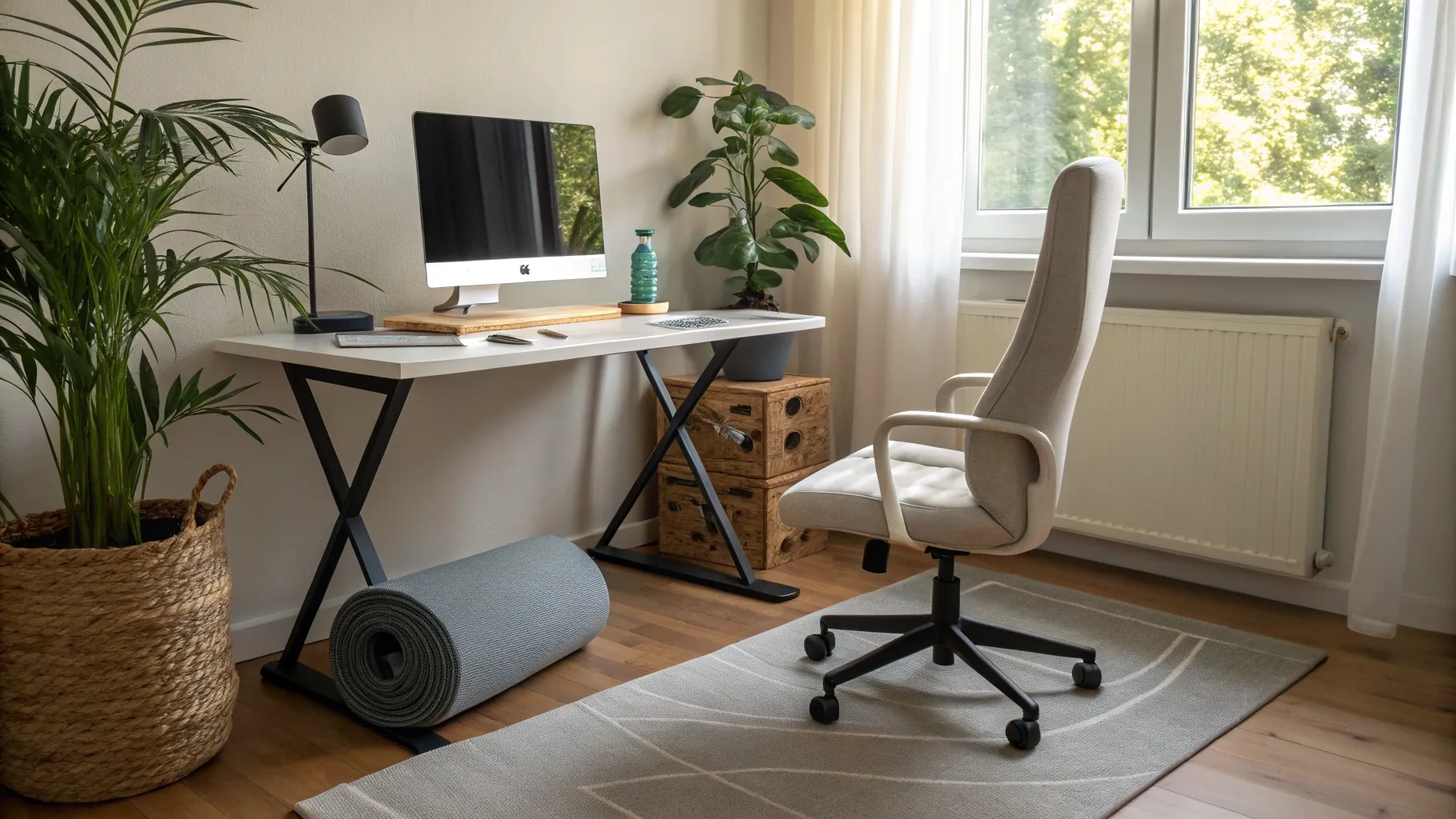
Posture and Its Impact
In 2025, a growing number of studies highlight the alarming impact that prolonged screen time has on our posture. Research conducted within the past year suggests that nearly 80% of office workers experience neck discomfort due to poor posture. This statistic is particularly concerning as more people abandon traditional office roles for remote work, often neglecting ergonomic setups.
Another factor contributing to neck pain is muscle tension. Stress and anxiety frequently manifest physically, leading to tightened muscles that cause discomfort and can radiate pain down the shoulders and upper back. Additionally, injuries—such as whiplash from car accidents—remain a significant cause of acute neck pain and may require comprehensive rehabilitation.
Simple Neck Exercises for Pain Relief
Once you're aware of the underlying factors causing your neck pain, the next step is incorporating simple exercises into your daily routine. Regular movement and stretching can alleviate tension and prevent recurrent pain. Here are some effective simple neck exercises for pain relief you can try:
- Neck Tilts: Gently tilt your head towards one shoulder, hold for 15 to 30 seconds, and repeat on the other side. This helps stretch the side muscles, releasing tension.
- Chin Tucks: Sit or stand up straight and gently tuck your chin towards your chest. Hold this position for a few seconds, and then release. This exercise strengthens the neck muscles and promotes better posture.
- Shoulder Shrugs: Raise your shoulders towards your ears and hold for a few seconds before relaxing. This can relieve built-up tension in the trapezius muscle.
Consistency is key when incorporating these exercises into your routine. Aim to engage in these stretches at least three times a week. Making them a habit not only aids in immediate relief but also enhances long-term neck health.
Daily Stretches for Neck Tension
Alongside specific exercises, daily stretches can play a pivotal role in combatting neck tension. Integrating these stretches into your day, perhaps during work breaks or in the morning, can yield substantial benefits.
- Upper Trapezius Stretch: Sit or stand comfortably, and gently tilt your head to one side while grasping the opposite side of your head with your hand. This targets the upper trapezius area, relieving tightness.
- Neck Flexion Stretch: Interlace your fingers behind your head and gently pull downwards while tucking your chin to your chest. This stretch helps to elongate the back of the neck.
- Neck Rotation Stretch: Slowly turn your head to one side, aiming to align your chin with your shoulder. Hold for 15 to 30 seconds, and switch sides. This stretch improves flexibility in the neck muscles.
Research in 2025 has shown that those who incorporate daily neck stretching into their routines report a 45% decrease in neck pain and discomfort. These simple yet effective stretches can substantially improve your daily function and overall well-being.
Lifestyle Modifications
A key component to managing neck pain is understanding the lifestyle modifications that can further enhance your neck health. Since many work-related habits contribute to discomfort, consider the following tips:
- **Ergonomics Matter:** Make sure your workstation is set up in an ergonomic manner. Your computer screen should be at eye level, and your chair should provide adequate support to maintain a neutral spine.
- **Stay Active:** Regular physical activity, whether it’s walking, cycling, or swimming, can help reduce muscle tension and improve overall posture.
- **Mindfulness Practices:** Incorporating stress-reduction techniques such as yoga or meditation can significantly alleviate mental stress, which often translates into physical tension.
Staying hydrated and ensuring adequate sleep are also essential to maintaining muscle health. In a recent survey, individuals who reported better hydration levels also noted a decrease in muscle cramps and tension, including in the neck.
When to Seek Professional Help
While most neck pain can be managed effectively with lifestyle changes and exercises, persistent or severe pain warrants professional attention. In 2025, healthcare professionals advocate for early intervention. If you experience symptoms such as numbness, tingling, or radiating pain down the arms, consult a physician or a physical therapist for appropriate evaluation and treatment.
In many cases, a tailored treatment plan may include physical therapy, which often involves personalized exercises and stretches. Physical therapists can also provide insights on correcting postural issues that might be contributing to your pain.
Remember that while self-care plays a vital role in managing neck pain, seeking guidance from professionals can enhance your recovery journey and prevent further complications. Listening to your body is key, as is prioritizing your neck health amidst a busy lifestyle.
Authored by FreshLifeWire team