Natural Teeth Whitening Guide Baking Soda Charcoal vinegar
Complete Guide to Natural Teeth Whitening in 2025
Brightening your smile naturally is becoming a go-to trend for many seeking a healthy, confident appearance. As we continue our journey through 2025, more individuals are embracing the power of natural ingredients found right in their homes. The demand for safe and effective alternatives to commercial whitening products has soared, prompting a deeper dive into methods like baking soda whitening, activated charcoal, and more. This guide focuses on effective natural teeth whitening techniques, underpinned by recent testimonials and findings.
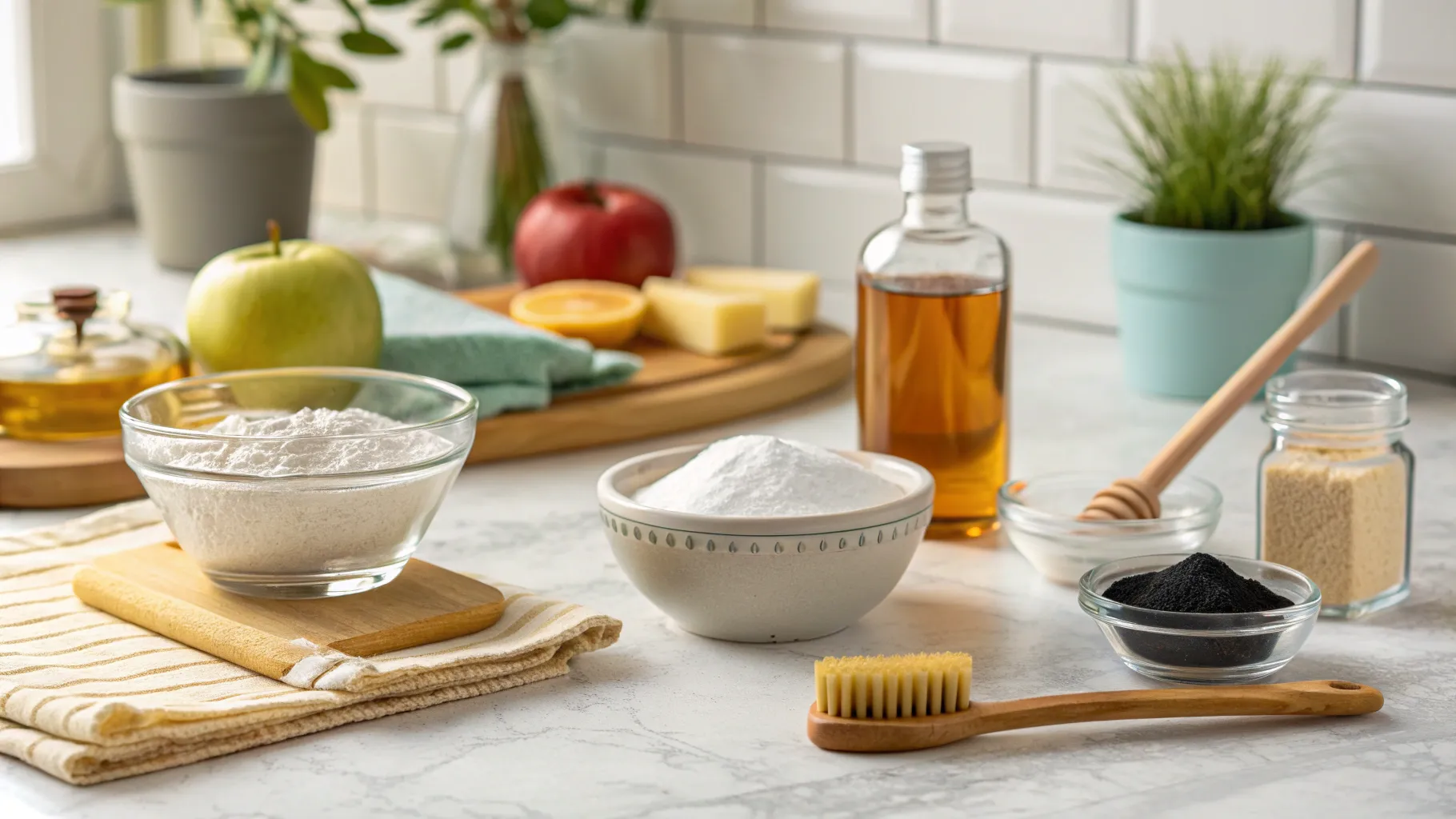
Top Natural Teeth Whitening Techniques
Have you ever found yourself wondering how to achieve a dazzling smile without resorting to harsh chemicals? Let’s explore some of the most popular and effective natural teeth whitening methods trending right now, complete with practical applications and insights from those who have tried them.
Baking Soda Whitening
Baking soda, or sodium bicarbonate, has long been hailed for its ability to tackle surface stains. Its mild abrasive nature is instrumental in lifting discoloration without causing extensive damage to teeth. Here’s a simple way to incorporate this method:
- Method: Combine a tablespoon of baking soda with a few drops of water to create a paste. Apply the paste to your toothbrush and gently scrub your teeth for about two minutes.
- Frequency: Limit this process to twice a week to protect your enamel from wear.
Users have reported visible improvement in their smiles within six weeks of consistent use. A study conducted in early 2025 showed that baking soda effectively lifts stains, but it’s crucial to monitor how often you use it to avoid enamel erosion.
Activated Charcoal for Teeth Whitening
Activated charcoal has quickly gained a reputation in the wellness community as a potent natural remedy. This fine black powder is capable of adsorbing stains and toxins due to its vast surface area. Here’s how to harness its whitening potential safely:
- Method: Dampen your toothbrush and dip it into activated charcoal powder. Brush gently for approximately two minutes. Remember to rinse thoroughly afterward.
- Frequency: Using it once or twice a week is ideal.
Reports from users indicate that regular application can significantly diminish stains caused by beverages like coffee and tea. Recent research also suggests that while activated charcoal can enhance the whitening process, it should be used moderately as its abrasiveness can lead to enamel wear if overused.
Hydrogen Peroxide as a Home Whitener
Hydrogen peroxide stands out as a common ingredient in numerous whitening formulas but can be effectively utilized at home in its diluted form. Here’s a straightforward guide to using hydrogen peroxide as part of your teeth whitening regimen:
- Method: Combine equal parts of 3% hydrogen peroxide and water. Swish this mixture in your mouth for about one minute, taking care not to swallow any.
- Frequency: You can employ this technique about two to three times a week.
Dentists often recommend hydrogen peroxide due to its dual role: optimizing oral health while whitening teeth. Feedback from users suggests significant improvements appear within a month of use, supporting how effective this method can be.
Apple Cider Vinegar for Stain Breakdown
Apple cider vinegar (ACV) is gaining attention not just as a culinary staple but also for its teeth-whitening benefits. The acetic acid in ACV can aid in breaking down surface stains:
- Method: Mix one tablespoon of ACV with a cup of water for a mouthwash solution. Swish it around for about 30 seconds, then rinse well with water.
- Frequency: Limit use to once a week to prevent damaging your enamel.
Reports from the last few months reveal that many users see a notable increase in brightness when including ACV in their routines. However, its acidic nature requires caution, as frequent use can wear down enamel.
Protecting Your Enamel While Whitening
While pursuing a whiter smile through natural means is commendable, it’s essential to prioritize the health of your tooth enamel throughout the process. Enamel shields your teeth from decay, and maintaining its integrity should be a top priority:
- Moderation is Key: Stick to recommended frequencies for any natural whitening method you choose.
- Manage Your Diet: Be mindful of the consumption of acidic foods and fizzy drinks, which can weaken enamel over time.
- Stay Hydrated: Drinking ample water is vital; it supports saliva production, which aids in maintaining teeth' brightness.
- Consistent Oral Care: Ensure you brush your teeth regularly with fluoride toothpaste to stave off cavities and safeguard enamel.
Recent studies highlight how crucial it is to find a balance between whitening and protecting enamel. More people in 2025 are opting for safe practices, aligning their whitening routines with regular dentist visits, reinforcing the importance of professional guidance.
In the push for a radiant smile, the kitchen holds the secrets to natural teeth whitening. Techniques like baking soda whitening, activated charcoal, hydrogen peroxide, and apple cider vinegar are not only accessible but can yield impressive results when used properly. Prioritizing enamel care alongside these methods will ensure you maintain a bright smile for years to come. So, why not take a step toward a whiter, healthier smile today?
Authored by FreshLifeWire team