Natural Remedies for Nasal Polyps: A Comprehensive Guide
Facts:
- Nasal polyps are benign, teardrop-shaped growths.
- A key trend in management involves anti-inflammatory lifestyle factors.
Understanding Holistic Approaches to Nasal Polyp Relief
Nasal polyps can cause significant discomfort, leading to symptoms like a blocked nose, reduced sense of smell, and facial pressure. While medical treatments are available, many individuals seek complementary options. This guide explores a range of natural nasal polyp remedies designed to address symptoms and underlying inflammation. By integrating specific routines and lifestyle changes, it's possible to find significant relief. These methods focus on gentle, consistent care, utilizing symptom management approaches that work with your body to promote better nasal health and clearer breathing.
Effective Inflammation Reduction Methods for Nasal Health
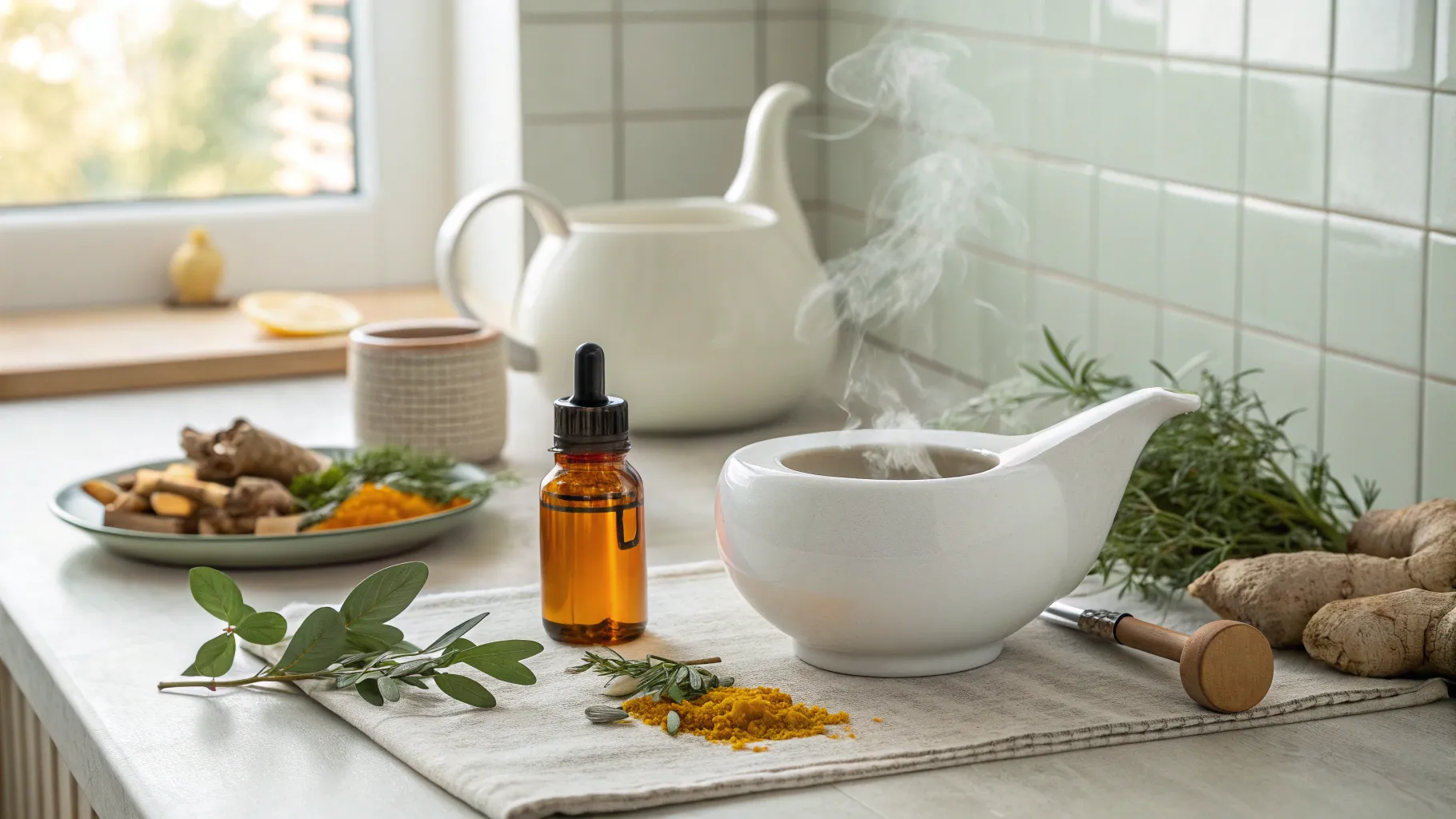
The cornerstone of managing nasal polyps naturally is reducing inflammation. Chronic inflammation is what allows these growths to develop and persist. One of the most effective inflammation reduction methods is dietary modification. Incorporating foods rich in omega-3 fatty acids, such as salmon and flaxseeds, and antioxidants found in berries and leafy greens can have a systemic anti-inflammatory effect. Spices like turmeric, containing the active compound curcumin, and ginger are renowned for their potent anti-inflammatory properties. Furthermore, steam inhalation with a few drops of tea tree or eucalyptus oil can help soothe nasal passages, reduce swelling, and loosen mucus. This simple yet powerful technique provides immediate, temporary relief and is a fundamental part of many natural nasal polyp remedies.
Establishing Consistent Nasal Care Routines
A proactive approach is crucial for long-term management. Establishing daily nasal care routines can make a significant difference in keeping symptoms at bay. Saline nasal rinses, often performed with a neti pot or a squeeze bottle, are highly recommended. This practice helps to wash away allergens, irritants, and excess mucus that contribute to inflammation and blockage. Using a saline solution helps to moisturize the nasal passages and can shrink swollen tissues over time. For best results, use distilled or previously boiled water to ensure safety. Complementing this with a humidifier in your bedroom at night can also be beneficial, as it prevents the nasal lining from drying out, especially in arid climates or during winter. Consistent nasal care routines are essential for maintaining a healthy nasal environment and are a key component of effective symptom management approaches.
Key Lifestyle Factors That Impact Nasal Polyp Symptoms
Beyond direct treatments, broader lifestyle factors play a pivotal role in managing nasal polyps. Identifying and avoiding triggers is paramount. Common irritants include tobacco smoke, chemical fumes, dust, and pollen. Improving indoor air quality with HEPA filters can help remove these airborne particles. Hydration is another critical factor; drinking plenty of water throughout the day helps to thin mucus, making it easier to clear from nasal passages. Stress management is also important, as high stress levels can exacerbate inflammation throughout the body. Practices like yoga, meditation, and regular exercise not only reduce stress but also improve overall circulation and immune function, which supports the body's ability to manage inflammation. Addressing these foundational lifestyle factors provides a holistic framework for long-term wellness and complements other natural nasal polyp remedies.
Actionable Steps for Daily Symptom Management
To effectively integrate these strategies, it's helpful to have a clear plan. The following are actionable steps that combine various symptom management approaches into a cohesive daily regimen. Consistency is the most important element for seeing positive results.
- Morning Routine: Start your day with a warm saline nasal rinse using a neti pot to clear any mucus that has built up overnight. This is a fundamental part of successful nasal care routines.
- Dietary Focus: Plan meals around anti-inflammatory foods. Include a source of omega-3s, such as walnuts or chia seeds, and add turmeric and ginger to your cooking. Avoid pro-inflammatory foods like processed sugars and refined carbohydrates. This is one of the most impactful inflammation reduction methods.
- Environmental Control: Use an air purifier in your most frequented rooms, especially the bedroom. Ensure you are vacuuming and dusting regularly to minimize allergens, a key consideration within lifestyle factors.
- Evening Ritual: Perform steam inhalation for 10-15 minutes before bed. You can add a few drops of tea tree oil for its antimicrobial and anti-inflammatory benefits. This helps clear your airways for a more restful sleep.
Frequently Asked Questions
How long does it take for natural nasal polyp remedies to work?
The timeframe for seeing results can vary widely among individuals. Consistent application of nasal care routines and lifestyle factors is key. Some people may notice a reduction in symptoms within a few weeks, while for others, it may take a few months to experience significant changes. The goal is long-term management, not an overnight cure.
Can these inflammation reduction methods replace medical treatment?
Natural remedies should be viewed as complementary therapies. It is essential to consult with a healthcare professional to determine the best course of action for your specific condition. These symptom management approaches can work alongside conventional treatments to improve overall outcomes, but they should not replace medical advice, especially for severe cases.
References
- Journal of Otolaryngology - Head & Neck Surgery
- American Academy of Allergy, Asthma & Immunology
- International Forum of Allergy & Rhinology
- Annals of Allergy, Asthma & Immunology
Authored by FreshLifeWire team