Natural Homemade Bug Sprays for Safe Bug Management
Natural Homemade Bug Sprays for Effective Bug Management
As we embrace the warm summer months, the challenge of dealing with pests becomes increasingly relevant. Whether it's the buzzing of mosquitoes or the sight of ants marching through our kitchens, taking control of these nuisances is essential for a comfortable home. While chemical insecticides may seem like a quick fix, they often pose risks to children, pets, and the ecosystem. Thankfully, in 2025, there is a growing awareness and accessibility of natural homemade bug sprays that provide effective solutions without the toxic side effects of synthetic chemicals.
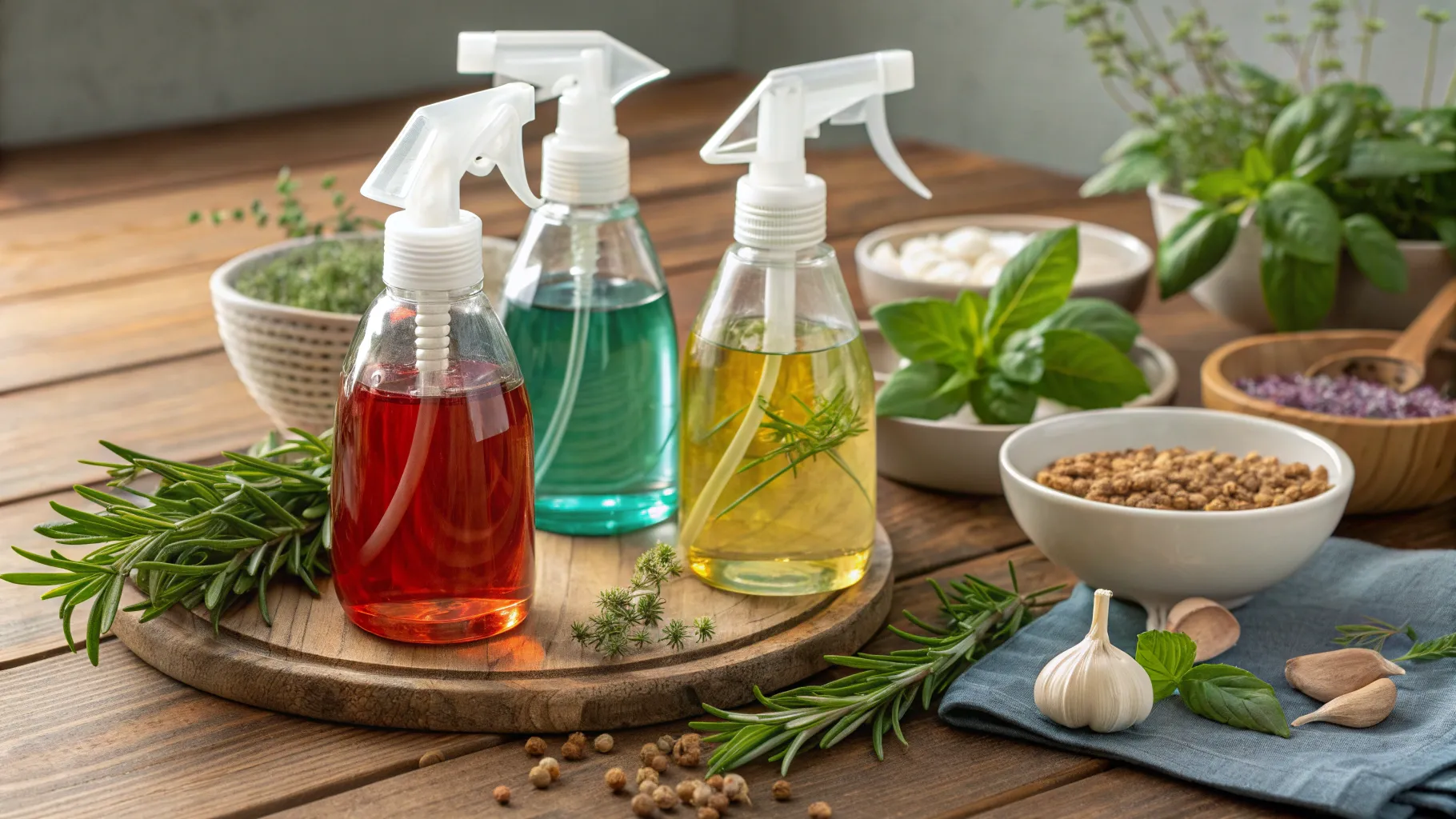
Why Choose Natural Bug Sprays?
Natural bug sprays not only protect your living space but also promote a healthier interaction with our environment. Many studies conducted over the past year show that essential oils and common household ingredients offer potent insect-repelling properties. Moreover, homemade solutions allow for customized formulations, enabling you to target specific pests effectively. Families are increasingly looking toward sustainable practices, and making your own bug spray fits seamlessly into an eco-friendly lifestyle.
DIY Mosquito Repellent Spray
Mosquitoes are not just annoying; they can pose significant health risks. To fend them off, consider crafting your own diy mosquito repellent spray. Here’s how to create a simple yet effective formula:
- 10 drops of lavender essential oil
- 10 drops of eucalyptus essential oil
- 2 tablespoons of witch hazel
- 3 tablespoons of distilled water
Combine these ingredients in a dark glass spray bottle and shake well before each use. By applying this bug repellent to your skin and clothing, you’ll create an aromatic barrier that keeps mosquitoes at bay. Recent research indicates that the efficacy of essential oils can rival traditional chemical repellents, making this a viable option for families keen to avoid toxins.
Essential Oils for Bug Control
Utilizing essential oils can diversify your bug management practices. Tea tree oil, peppermint oil, and citronella oil offer not just repellent properties but also antimicrobial benefits, promoting a healthier home environment. To create a potent non-toxic bug spray, mix the following ingredients:
- 20 drops of tea tree oil
- 20 drops of peppermint oil
- 1 cup of water
- 1 tablespoon of natural soap
This mixture is effective against various household pests, from ants to spiders. Proper dilution ensures safety for both children and pets, so you can use it around your home without worry.
Vinegar Spray for Ants
If ants have invaded your space, a straightforward solution is to make a vinegar spray for ants. Mix equal parts of water and white vinegar in a spray bottle. Spraying this mixture along ant trails and potential entry points disrupts their scent trails and eradicates the pheromones guiding them. This simple yet effective method has gained traction among eco-conscious families, offering a hassle-free solution to ant invasions.
Garlic Spray for Garden Pests
For those passionate about gardening, pests can be a significant concern. Instead of using harmful pesticides, a garlic spray for garden pests serves as a powerful deterrent. Here's a simple recipe:
- 2 cloves of garlic
- 1 tablespoon of vegetable oil
- 1 tablespoon of natural soap
- 4 cups of water
Blend the ingredients, let the mixture steep for a day, strain it, and spray it directly onto your plants. The pungent smell of garlic effectively keeps pests like aphids and spider mites at bay while being safe for beneficial insects. Recent trends in organic gardening highlight the effectiveness of such homemade remedies.
Homemade Fly Repellent Spray
Enjoying time outdoors can quickly turn sour with an influx of flies. Fortunately, a homemade fly repellent spray can help minimize this nuisance. To create the spray, combine:
- 1 cup of apple cider vinegar
- 1 cup of water
- 2 tablespoons of dish soap
This effective mixture attracts flies and ensnares them, reducing their population in your proximity. You can set up small containers around your yard or even use them in your kitchen to keep flies at bay naturally.
Herbal Bug Spray for Home
Creating a herbal bug spray for home is not just a functional endeavor but can also add lovely aromas to your living space. To craft such a blend, infuse witch hazel with dried herbs like basil, rosemary, or mint. After allowing it to steep for about a week in a cool, dark area, strain the mixture and use it as a refreshing room spray that naturally repels insects without imposing harmful chemicals.
Natural Insect Spray for Plants
Dealing with plant pests like aphids or whiteflies? Fear not, as a natural insect spray for plants can restore your garden's health. Combine 1 tablespoon of liquid soap with 4 cups of water in a spray bottle and apply it directly onto affected plants. This mixture works by suffocating pests while being gentle on the plants. Agricultural experts emphasize that adopting organic pest control methods can significantly boost your garden's vitality.
With an ever-growing range of resources for crafting homemade bug sprays, now is the perfect time for families to transition away from chemicals. Whether you're combating mosquitoes outdoors or creating a pest-free haven indoors, these natural tactics not only protect your loved ones but also promote a safer environment. Turn your DIY efforts into a delightful routine, ensuring your home remains a safe refuge from unwanted bugs.
Authored by FreshLifeWire team