Natural Approaches to Seasonal Allergy Relief
When spring and fall arrive, many people find themselves battling sneezing, congestion, and itchy eyes.
Understanding the Root Causes of Seasonal Allergies
Seasonal allergies, often referred to as hay fever, occur when the immune system overreacts to harmless outdoor substances. The body perceives these particles as dangerous invaders, prompting the immune system to release histamine and other chemicals into the bloodstream. This chemical release is what triggers the familiar symptoms of a runny nose, watery eyes, and an itchy throat.
The most common triggers are pollen from trees, grasses, and weeds, as well as mold spores that multiply in damp conditions. Because these triggers are airborne, they easily enter the respiratory system and make contact with the mucous membranes. Understanding this underlying biological process is the first step in identifying ways to manage the symptoms naturally.
The Role of Local Honey in Allergy Management
One of the most frequently discussed natural approaches to hay fever involves the consumption of raw, local honey. The underlying theory is similar to that of allergy shots. Local bees collect pollen from the very plants that cause seasonal allergies. By consuming small amounts of this pollen through honey, it is believed that a person might gradually build up a tolerance to the local allergens in their environment.
While scientific studies on local honey as an allergy treatment are mixed, many people report experiencing milder symptoms when they incorporate it into their daily routine. To try this method, individuals usually seek out raw and unfiltered honey harvested within a few miles of their home. It can be added to warm tea, spread on toast, or taken directly from the spoon.
Herbal Teas and Plant Supplements for Symptom Relief
Nature provides a variety of plants that have been traditionally used to soothe respiratory ailments and reduce allergic reactions. Some of these botanicals act as natural antihistamines or anti-inflammatory agents, offering a gentler alternative to over-the-counter medications.
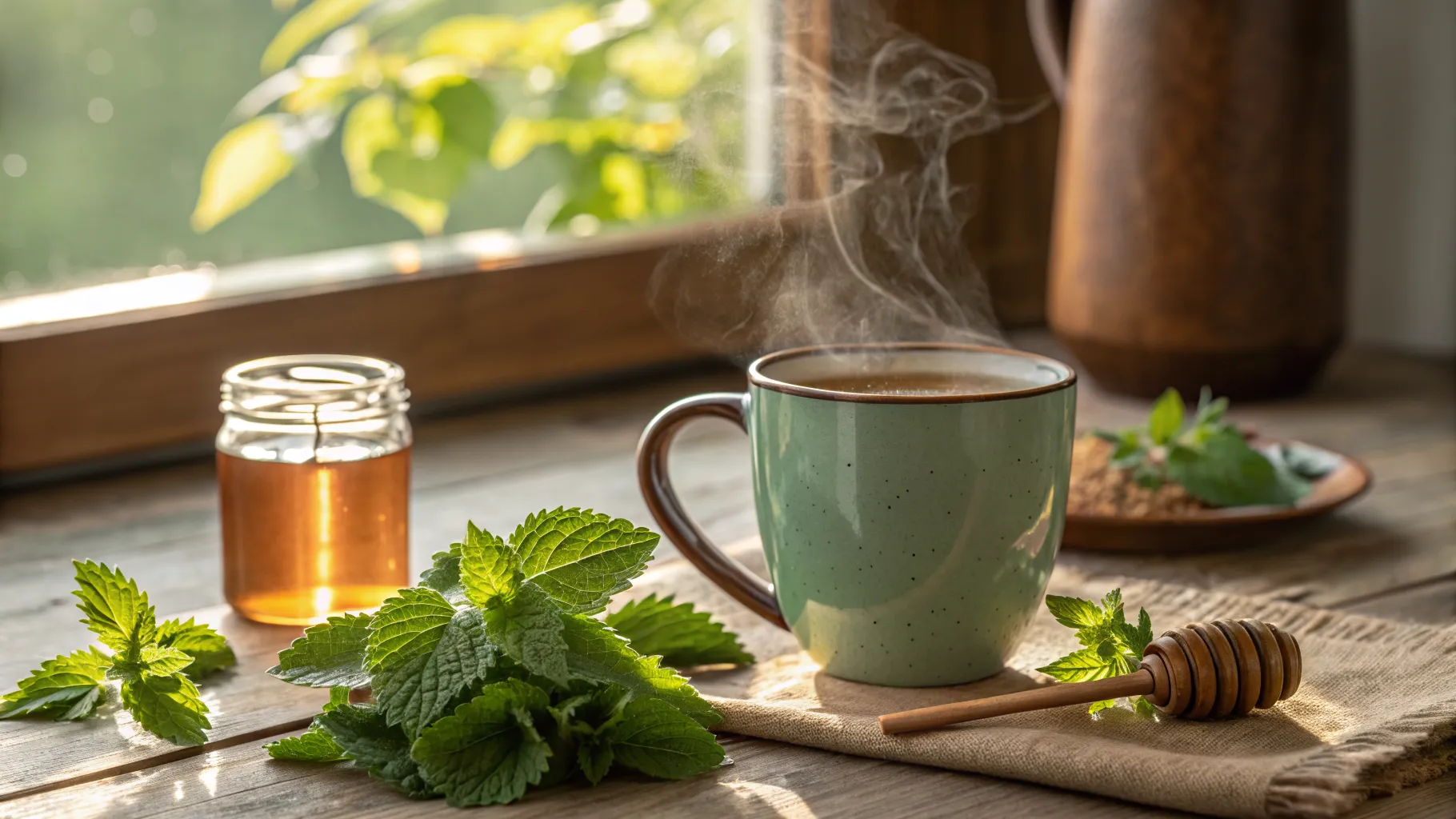
- Stinging Nettle: Often consumed as a tea or taken in capsule form, stinging nettle is widely regarded for its ability to naturally reduce histamine levels in the body.
- Butterbur: This shrub extract has shown promise in relaxing swollen nasal membranes. It is important to look for butterbur supplements labeled as PA-free to ensure safety.
- Quercetin: Found abundantly in apples, onions, and green tea, quercetin is a powerful antioxidant that helps stabilize the cells responsible for releasing histamine.
Dietary Changes That May Reduce Inflammation
Diet plays a significant role in how the body handles inflammation and immune responses. An anti-inflammatory diet can help reduce the severity of allergy symptoms by lowering the overall inflammatory burden on the body. Incorporating foods rich in omega-3 fatty acids, such as salmon, chia seeds, and walnuts, can support a balanced immune system.
Conversely, it may be beneficial to limit foods that are known to increase mucus production or trigger inflammation. Some individuals find that reducing their intake of dairy products, processed sugars, and refined carbohydrates leads to clearer airways and fewer congestion issues during peak allergy seasons. Adding vitamin C-rich foods like citrus fruits and bell peppers also provides natural antihistamine properties.
Saline Rinses and Nasal Irrigation Techniques
Nasal irrigation is a highly effective, non-pharmacological method for clearing allergens directly from the nasal passages. Devices like Neti pots or saline squeeze bottles allow users to flush out pollen, dust, and excess mucus using a gentle saltwater solution. This physical removal of irritants provides immediate relief for sinus pressure and congestion.
When utilizing nasal irrigation, safety and hygiene are paramount. It is crucial to use only distilled, sterile, or previously boiled and cooled water to prevent serious infections. The saline packets provided with these devices ensure the water has the correct salt balance, making the rinse soothing rather than irritating to the delicate nasal tissues.
Modifying Your Indoor Environment
While you cannot control the pollen count outdoors, you can take strategic steps to turn your home into an allergy-free sanctuary. Minimizing indoor exposure to seasonal triggers gives the immune system a much-needed break, especially during the night when the body is trying to rest and repair.
- Keep windows closed during high pollen days and rely on air conditioning to filter the indoor air.
- Invest in a high-quality HEPA air purifier for the bedroom to capture microscopic pollen and mold spores.
- Take a shower and wash your hair before going to bed to remove any pollen that has accumulated on your body throughout the day.
- Wash bedding weekly in hot water and leave outdoor shoes at the entryway to prevent tracking allergens inside.
Essential Oils and Aromatherapy Options
Aromatherapy offers another avenue for managing seasonal allergy symptoms, particularly when dealing with stubborn nasal congestion. Certain essential oils contain compounds that promote clear breathing and provide a cooling sensation to irritated respiratory tracts. Eucalyptus oil, for instance, contains citronellal, which has both anti-inflammatory and mild analgesic properties.
Peppermint oil is another popular choice due to its high menthol content, which acts as a natural decongestant. These oils can be diffused in the air, added to a bowl of hot water for steam inhalation, or diluted with a carrier oil and applied to the chest. It is always important to use essential oils safely, ensuring they are well-diluted for topical use and keeping diffusers away from pets and small children.
Authored by FreshLifeWire team