Nasal Polyps Symptoms Causes and Treatment Options Explained
Nasal Polyps Explained How They Form Appearance Symptoms and Treatments
Nasal polyps are soft, painless, and noncancerous growths that develop on the lining of the nasal passages or sinuses. For many individuals, these growths can become a painful inconvenience, leading to various symptoms and health complications. But what exactly are nasal polyps and how do they form? In this article, we will explore their appearance, symptoms, and the treatments available while also addressing how to potentially prevent further growth.
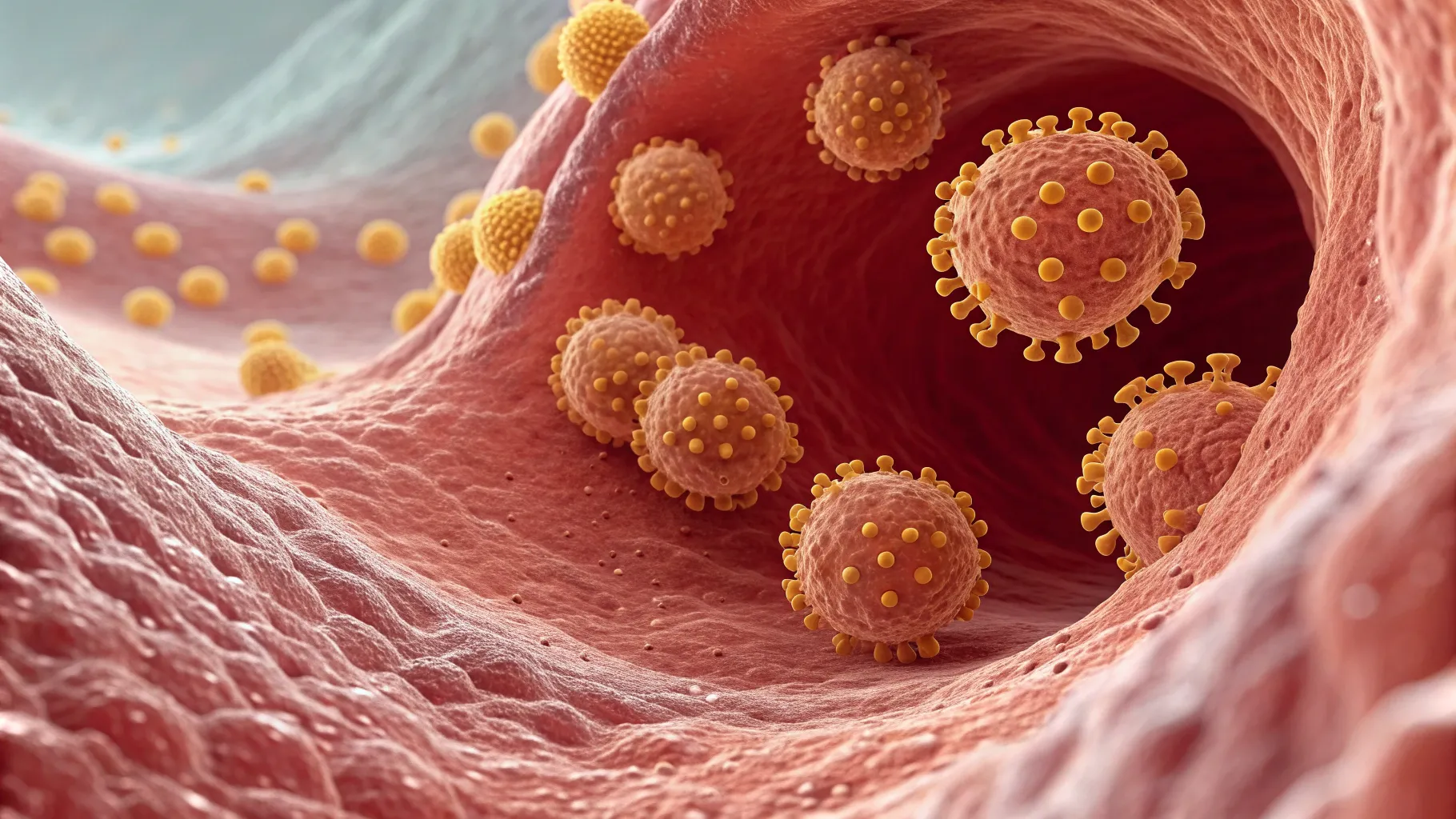
What are nasal polyps and how do they look
Nasal polyps resemble teardrop-shaped blobs or grape-like structures that can vary in size. Although they can occur in anyone, they are particularly prevalent among individuals with asthma, allergies, and chronic sinus infections. When viewed using an endoscope, they appear as pale, jelly-like swellings that line the nasal cavity. They can occur in pairs or clusters and may block airflow, contributing to feelings of nasal congestion.
The exact size of nasal polyps can vary greatly. Small polyps may go unnoticed, while larger polyps might create significant health issues, leading to breathing difficulties. A key feature of nasal polyps is that they are often painless; however, their presence can mask other underlying conditions, making them a common concern among patients with chronic sinus disorders.
How do nasal polyps form
Nasal polyps form as a result of chronic inflammation of the nasal and sinus mucosa. Inflammation can stem from various conditions including:
- Allergies: Allergens like dust, pollen, and animal dander can trigger an inflammatory response, leading to the formation of polyps.
- Asthma: Individuals suffering from asthma often experience nasal inflammation, making them more susceptible to polyp development.
- Chronic sinusitis: Ongoing sinus infections can maintain inflammation in nasal tissues, creating an environment conducive to polyp growth.
- Environmental irritants: Exposure to smoke, pollution, and strong odors can also provoke chronic inflammation, contributing to polyp formation.
Statistically, an estimated 4% of the general population suffers from nasal polyps. Recent studies have shown a rising prevalence in urban centers, potentially linked to higher levels of air pollution and increased rates of asthma. Interestingly, individuals with familial history of nasal polyps appear to have a higher risk, indicating a possible genetic link.
What are symptoms of nasal polyps
The symptoms of nasal polyps can vary significantly based on their size and location. Commonly reported symptoms include:
- Nasal congestion: This is often the most noticeable symptom and can lead to mouth breathing.
- Reduced sense of smell or taste: Larger polyps can obstruct airflow to the olfactory receptors, diminishing the sense of smell.
- Runny or stuffy nose: Chronic nasal discharge often accompanies the presence of polyps.
- Facial pain or pressure: When polyps block sinus openings, they can cause discomfort due to increased pressure.
- Frequent sinus infections: Repeated bouts of sinusitis may occur if nasal polyps are present.
In children, nasal polyps may cause symptoms such as snoring, sleep apnea, or chronic mouth breathing. Recognizing early signs of nasal polyps is important to prevent complications such as chronic infections and complications with quality of life.
How are sinus polyps treated
Treating nasal polyps primarily focuses on reducing their size and symptoms. Common treatment options include:
- Medications: Corticosteroid nasal sprays are commonly prescribed to reduce inflammation. In some instances, oral corticosteroids are used for short periods to shrink the polyps.
- Saline nasal sprays or rinses: These can help to keep the nasal passages moist, flush out allergens, and soothe inflammation.
- Allergy therapies: Identifying and treating allergies through medications like antihistamines or allergy shots can help manage underlying inflammation.
- Surgery: If medications fail, surgery may be recommended to remove large nasal polyps. Endoscopic sinus surgery is the most common method, enabling surgeons to remove polyps without making external incisions.
The choice of treatment varies based on individual circumstances, including the severity of symptoms and the overall health of the patient. Regular follow-up with healthcare providers is essential for those prone to polyp recurrence.
What causes frequent nasal polyp growth
Frequent growth of nasal polyps can often be traced to unaddressed chronic inflammation. Conditions such as asthma, sinusitis, and allergies exacerbate the persistent inflammation that leads to polyp development. Additionally, individuals who do not adhere to management strategies for their allergies or asthma are at greater risk of developing subsequent polyps.
Moreover, ongoing exposure to irritants in the environment, particularly for those living in smog or allergy-prone areas, contributes to the likelihood of frequent growth. Stress and hormonal changes, although not direct causes, may also exacerbate inflammation and polyp recurrence.
Do polyps cause nasal congestion
Yes, nasal polyps are known to cause nasal congestion. As these growths increase in size or number, they can obstruct airflow through the nasal passages, leading to a sensation of blocked sinuses and nasal congestion. Individuals may find it increasingly difficult to breathe through their nose, which can influence their overall quality of life.
How to prevent nasal polyps
While not all nasal polyps can be prevented, there are several strategies that may help reduce the risk of developing new polyps:
- Manage allergies: Keeping allergies under control through avoidance of known allergens and using antihistamines or nasal corticosteroids can reduce inflammation.
- Avoid irritants: Steering clear of smoking, secondhand smoke, and other environmental pollutants can minimize irritation to the nasal passages.
- Regular nasal hygiene: Saline rinses can help keep nasal passages clear from mucus and nasal irritants.
- Seek therapy for asthma: Managing asthma effectively with the help of healthcare providers can reduce the inflammation that leads to polyp formation.
In summary, understanding nasal polyps—how they form, their symptoms, treatment options, and prevention strategies—can empower individuals to take proactive steps toward better sinus health. Being aware of personal health triggers and seeking medical advice are crucial in managing this common yet frustrating condition.
Authored by FreshLifeWire team