Mycosis Fungoides Rash Symptoms Skin Lymphoma Guide
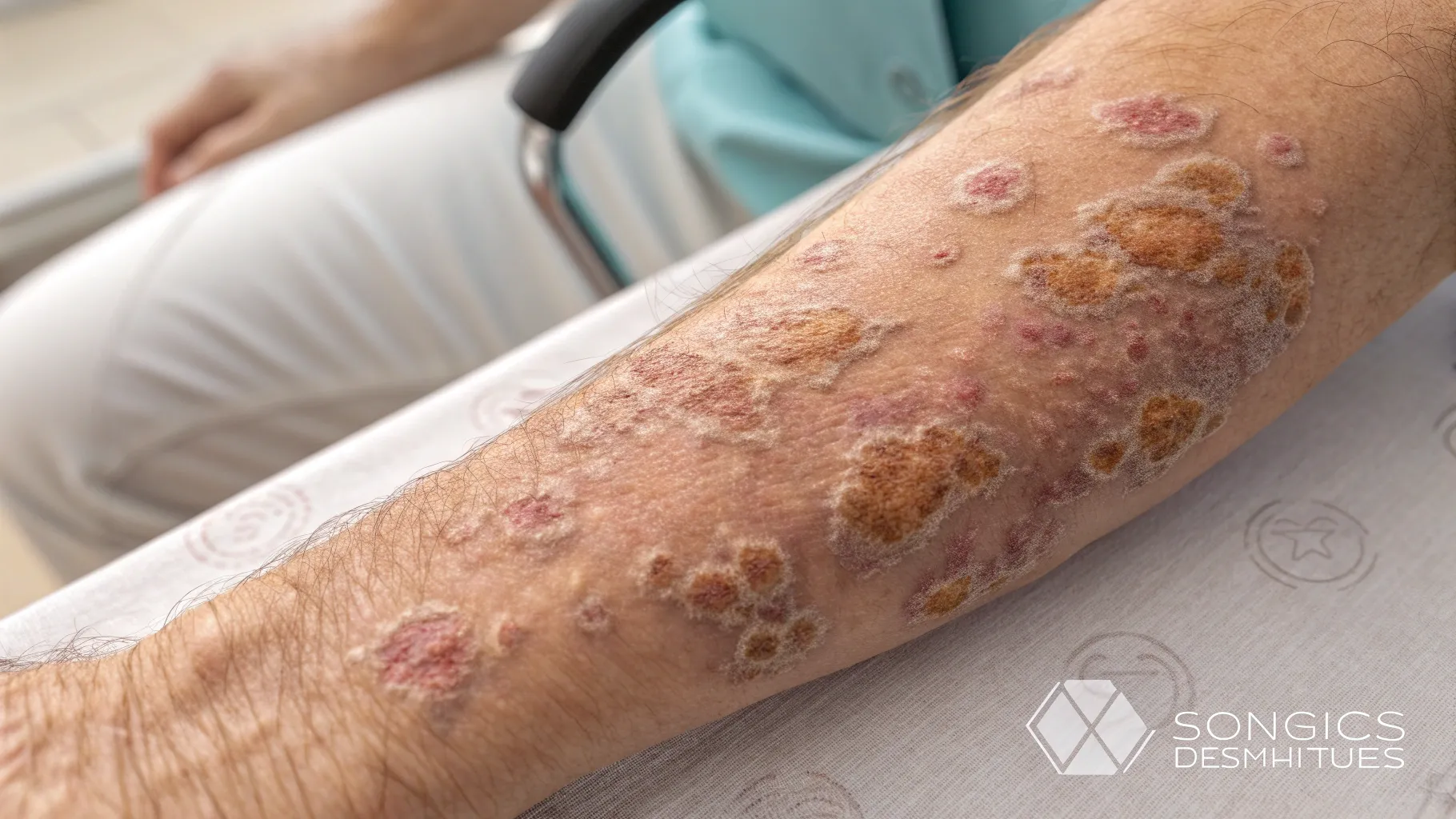
Mycosis Fungoides Rash Symptoms in 2025
Mycosis fungoides remains the most common form of cutaneous T cell lymphoma in 2025. It often starts as a rash that can resemble eczema or psoriasis, which can slow diagnosis when patients and clinicians focus only on surface symptoms. The hallmark for many people is itching that lasts beyond a few weeks, sometimes worse at night, and does not fully respond to ordinary creams. Awareness matters because early insight leads to timely skin biopsy and specialist care.
Dermatologists describe patterns where patches or plaques appear on sun exposed areas, the trunk, and then the arms or thighs. The texture tends to be dry and scaly, and colors range from pale pink to brown. Some patients notice a slow progression from flat patches to slightly thickened plaques. This gradual evolution helps distinguish MF rash symptoms from common dermatitis, but the overlap can be real in the early stages.
- Persistent itching especially at night
- Rash that lasts months without clearing
- Patches or plaques on trunk arms or thighs
- Lesions that do not respond to standard anti inflammatory creams
- Possible oozing or crusting in advanced stages
In 2025, doctors emphasize that a skin biopsy confirms the diagnosis. Immunohistochemistry and T cell receptor studies may be used to separate MF from eczema and other skin conditions. Once MF is confirmed, staging looks at skin involvement and whether lymph nodes or organs are affected. Early recognition matters because treatments and prognosis shift with stage. Across modern cohorts, early stage MF has a favorable prognosis, with 5 year survival commonly reported in the 85 to 95 percent range for stage IA to IIA in many registries, while survival for advanced stages drops substantially. Between careful skin surveillance and timely referrals, many people maintain good quality of life for years. Recent reviews from 2024 to 2025 highlight that early skin directed therapy, including phototherapy and topical steroids, yields meaningful itch relief and patch stabilization in many patients.
Real world cases illustrating 2025 rash patterns
In early 2025, a 41 year old teacher presents with patches that have persisted for seven months. A skin biopsy confirms mycosis fungoides stage IA. The patient begins skin directed therapy, often with corticosteroid creams or retinoid creams, and experiences noticeable relief in itching along with slower patch growth. Regular follow ups help keep the plan on track while monitoring for any changes that could signal progression.
In another scenario a 63 year old patient has plaques on the arms and trunk and reports swelling in nearby lymph nodes. Biopsy and imaging place him in stage IIA. He uses phototherapy and topical steroids, with careful surveillance for potential progression. These real world examples show how a stubborn rash can be the first clue that leads to a correct diagnosis and a tailored care plan.
Recognizing Mycosis Fungoides Rash Symptoms Pattern in 2025
A practical patient centered approach focuses on duration and response. Typical dermatitis improves with moisturizers and standard steroids within weeks, while MF rash symptoms often persist for months and may gradually evolve to thicker plaques. Beyond itching and color changes, some patients report a burning sensation or skin that looks uneven under certain lighting. Itch that worsens at night or after warm showers can be a helpful clue, but it should be evaluated when the pattern recurs or worsens.
What you can do today is track the rash changes, note any new lesions or swelling, and keep a simple diary for your dermatologist. If you notice a patch that spreads quickly, enlarges, or begins to ulcerate, seek care promptly. In 2025 guidelines emphasize confirming the diagnosis with a biopsy when a persistent rash defies conventional treatment. Timely recognition supports better management outcomes and helps separate MF from other common skin conditions.
When discussing testing options, your doctor may mention immunohistochemistry or T cell receptor gene rearrangement studies as part of the evaluation. These tests help distinguish MF from benign eczema and other skin diseases. Treatment plans vary by stage and patient preferences, but many individuals benefit from a combination of skin directed therapies, phototherapy, and careful surveillance. The goal is to control symptoms such as itch and rash while delaying progression and maintaining quality of life.
In 2025 the conversation around mycosis fungoides rash symptoms remains practical and hopeful. With early detection, ongoing research, and broader access to dermatology and oncology expertise, people living with MF can pursue active lives with less discomfort. If you notice a stubborn rash that does not clear with standard care, a consultation with a dermatologist specializing in skin lymphoma can be a transformative step.
Authored by FreshLifeWire team