Museum Guide Roles: Embrace Tech for a Richer Experience
Revamping Museum Guide Roles: The Intersection of History and Technology
In 2025, the landscape of museum guide positions is dramatically different. Traditional roles have evolved into multifaceted duties, harmonizing the rich tapestry of history with the cutting-edge tools of modern technology. This shift is vital to enriching visitor experiences and ensuring museums remain relevant in an increasingly digitized world. As cultural institutions embrace these changes, the demand for skilled and adaptable guides continues to grow.
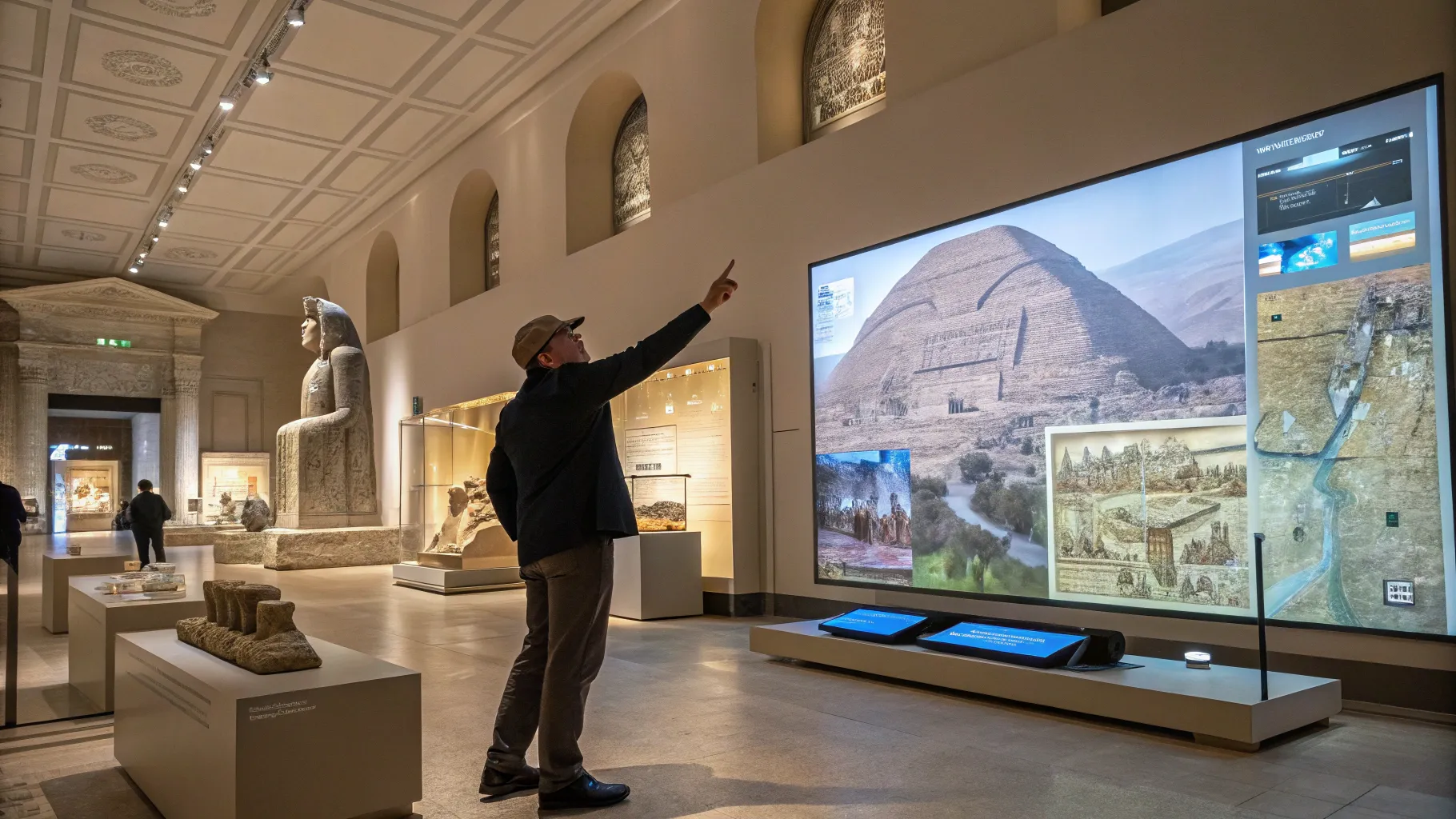
The Expanding Skillset of Modern Museum Guides
Gone are the days when museum guides merely followed a script. Today’s guides are expected to be cultural ambassadors, educators, and tech enthusiasts. The union of technology and history provides an innovative platform for storytelling. Consider standing before an ancient artifact — with a virtual reality headset, a visitor can now witness a dynamic reconstruction of the artifact's historical context. Such experiences are made possible through the adept guidance of tech-savvy museum personnel.
The integration of tools like augmented reality (AR) and virtual reality (VR) has become a staple in contemporary exhibitions, making proficiency in these technologies essential for museum guides. This transformation allows visitors to interact with exhibits in ways previously unimaginable, creating a more engaging and educational experience.
Moreover, the proliferation of social media provides an avenue for museum guides to extend their influence beyond the physical walls of the institution. Virtual tours and interactive live sessions have become commonplace, broadening reach and accessibility globally. These platforms provide a unique opportunity for guides to engage with international audiences, further establishing a museum's global presence.
Essential Skills and Qualifications
With expanding roles, modern museum guides must possess a diverse skill set. A deep understanding of history remains fundamental, but it is equally important to be well-versed in the latest technological developments.
- Technical Proficiency: Familiarity with digital tools and platforms like AR, VR, and mobile applications is paramount.
- Communication Skills: Effective communication is crucial as guides often interact with diverse audiences, from schoolchildren to history buffs.
- Multilingual Abilities: In a global landscape, guides who can converse in multiple languages can offer tailored experiences to international visitors.
- Cultural Sensitivity: Respect and understanding of diverse cultural narratives enhance the authenticity and inclusivity of the museum experience.
Advancing Diversity and Inclusion
Promoting diversity and inclusion is a priority in modern museum guide roles. Museums recognize that a variety of voices is essential to convey the complexities of history authentically. This commitment involves actively recruiting from diverse backgrounds and providing mentorship and training opportunities to empower underrepresented communities.
Such initiatives not only enrich the narrative landscape but also foster empathy and understanding. By presenting history through multiple perspectives, visitors gain a broader comprehension of the world's past and its current implications.
Guides as Educational Catalysts
Education remains at the heart of museum guide responsibilities. In 2025, guides are increasingly collaborating with educational institutions to bridge academic learning and real-world history. This relationship transforms museum visits into dynamic extensions of classroom lessons.
Take Jamie Tran from the National Gallery in London as an example. Their innovative, curriculum-aligned tours ignite curiosity and foster a lifelong passion for learning among students. Guides like Jamie are integral in making history tangible and inspiring the next generation of thinkers.
The metamorphosis of museum guide positions encapsulates a blend of history, technology, and education — a trifecta that ensures cultural institutions remain indispensable to society. As museums embrace new dimensions of visitor interaction, opportunities for growth and development in guide roles are boundless. In the present year of 2025 and beyond, museum guides will continue to serve as crucial links between the storied past and our collective future, creating compelling and enlightening journeys for all who walk through museum doors.
Authored by FreshLifeWire team