Most Common Skin Rashes Types Causes and Treatment Guide
Most Common Skin Rashes That Everyone Should Know
Skin rashes can develop for numerous reasons, and they vary greatly in appearance, sensation, and duration. Understanding the most common skin rashes is essential for identifying issues and seeking appropriate care. In this article, we’ll explore different types of skin rashes and their causes, how you can identify them, and when you should consider consulting a healthcare professional.
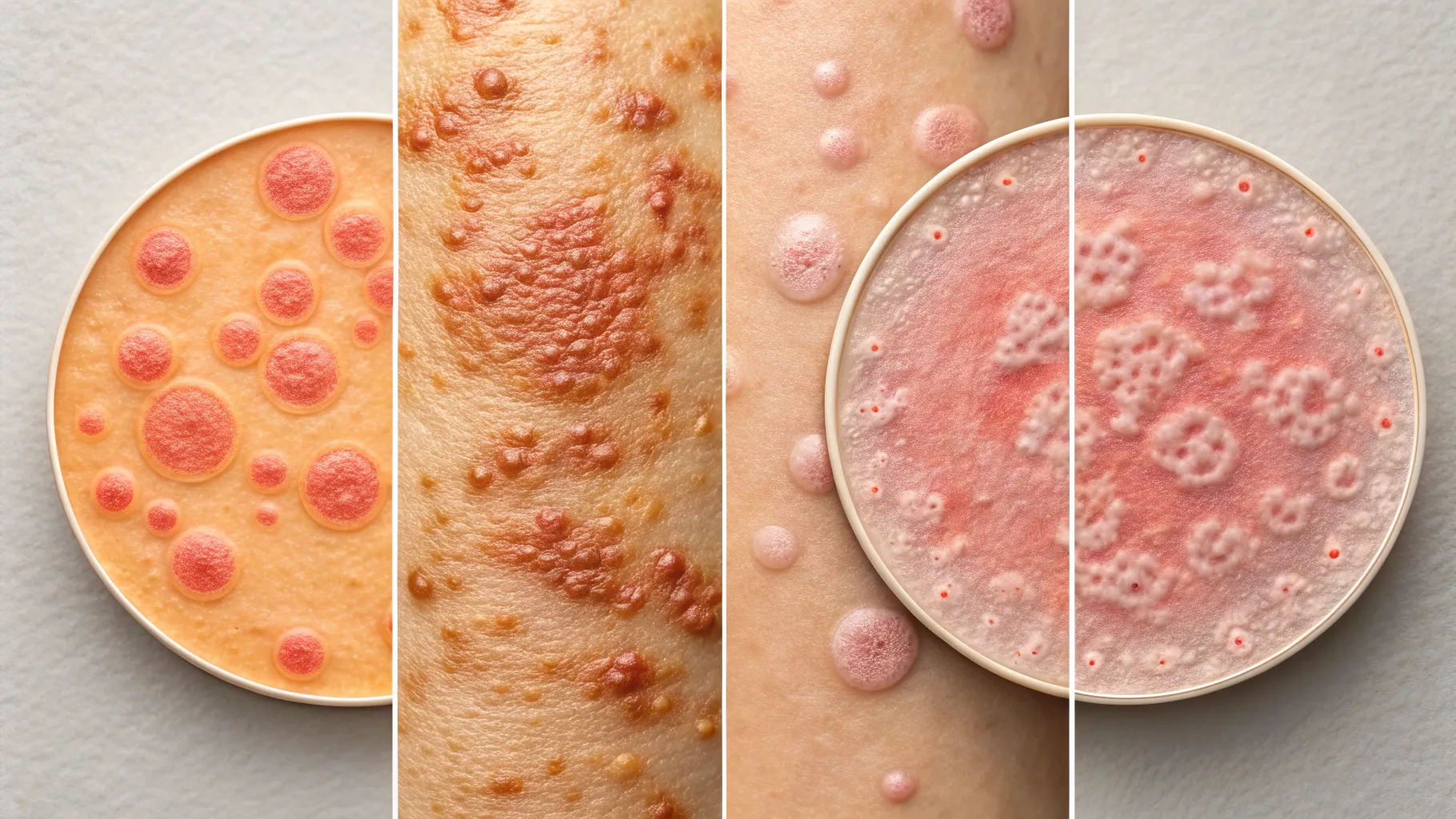
Types of Skin Rashes and Their Causes
There are many types of skin rashes, with some being more prevalent than others. Here’s a detailed look at some of the most common skin rashes:
- Contact Dermatitis: This rash occurs when the skin reacts to a substance it has come into contact with, such as poison ivy or certain soaps. Symptoms often include redness, itching, and blisters.
- Atopic Dermatitis (Eczema): Common in children, eczema is characterized by dry, itchy patches on the skin. It can be triggered by environmental factors like pollen, dust mites, or pet dander.
- Psoriasis: This chronic autoimmune condition leads to thick, red patches covered with silvery scales. It can be triggered by stress, infections, or certain medications.
- Hives (Urticaria): Hives are raised, itchy welts that develop in response to allergens, such as food, medications, or insect stings. They may be acute or chronic and often resolve within hours or days.
- Viral Rashes: Certain viral infections, like chickenpox or measles, can result in distinctive rashes. These are typically accompanied by other symptoms, such as fever or respiratory issues.
- Bacterial Rashes: Infections like impetigo produce crusty, oozing sores and often require medical treatment. Staphylococcal and streptococcal bacteria are common culprits.
How to Identify a Skin Rash
Identifying a skin rash involves recognizing its key characteristics. Begin by observing the following aspects:
- Appearance: Note the color, texture, and size of the rash. Is it flat, raised, dry, or blistered?
- Location: Rashes can appear anywhere on the body. Understanding where it appears can help identify the cause.
- Symptom Assessment: How does the rash feel? Is it itchy, painful, or sensitive to touch? Pay attention to any sensations accompanying the rash.
- Duration: Note how long the rash has been present and whether it has changed in appearance over time.
Keeping a record of these factors can help a healthcare provider make a more accurate diagnosis.
Allergic Skin Rash Symptoms
If you suspect that your rash is allergic in origin, look for these common symptoms: redness, swelling, intense itching, and perhaps a burning sensation. You might also notice the rash appearing in areas that came into direct contact with the allergen. Allergic reactions can be triggered by foods such as nuts or shellfish, medications, dyes from clothes, or plant materials like poison ivy.
Common Viral and Bacterial Rashes
Viral rashes, such as those caused by human papillomavirus (HPV), can lead to warts or other skin lesions and are transmitted through skin-to-skin contact. On the other hand, bacterial rashes, notably impetigo, are often contagious and can spread through close contact. They appear as red sores on the face, hands, and around the mouth. In both cases, recognizing the symptoms early can help prevent complications and spread.
Current data from 2025 indicates that viral skin infections remain one of the leading causes of skin rashes among children, contributing to significant health visits annually. For example, with over a million reported cases of chickenpox each year, understanding these rashes is crucial for timely management.
Skin Rash Pictures and Descriptions
Images are powerful tools for identifying skin rashes. Many health resources provide pictures that illustrate the various types of skin rashes, helping individuals distinguish one from another. However, self-diagnosis can be misleading, so it’s advisable to seek professional evaluation if there’s any uncertainty. Utilizing a trusted health website for illustrations can assist you in recognizing potential signs and symptoms effectively.
When to See a Doctor for a Rash
While many rashes may resolve on their own, some situations warrant a doctor’s visit. If you experience any of the following, seek medical advice:
- The rash is accompanied by fever or joint pain.
- The rash spreads quickly or covers a large area of the body.
- You notice signs of infection, such as pus, increasing redness, or warmth.
- The rash is severe and does not improve with over-the-counter treatments.
- You are experiencing a rash for the first time, especially if it is causing significant discomfort.
How to Care for Irritated Skin
When dealing with irritated skin, the following strategies can help soothe and care for the area:
- Keep it clean: Gently wash the affected area with mild soap and water.
- Moisturize: Use fragrance-free moisturizers to alleviate dryness and restore the skin barrier.
- Avoid irritants: Identify and steer clear of products that may further aggravate the rash.
- Cold compress: Applying a cold, damp cloth can ease itching and inflammation.
- Over-the-counter remedies: Options like hydrocortisone cream can provide relief; however, consult a doctor if symptoms persist.
By understanding the nature of skin rashes and their management, you are better equipped to promote skin health and ensure timely professional intervention when needed. Monitoring changes on your skin and seeking appropriate care is critical in maintaining overall skin wellness.
Authored by FreshLifeWire team