Morocco vs Canary Islands Best Winter Sun for UK Travelers
Morocco vs Canary Islands for Winter Sun 2025
As the cold winds of winter sweep across the UK, many travelers begin to dream of sun-drenched escapes. When considering where to head for winter sun, two enticing options come to mind: Morocco and the Canary Islands. Both destinations offer unique experiences and vibrant cultures, but how do they stack up against each other for those seeking warmth during the chilly months? In this article, we delve into the pros and cons of each destination, their cost differences, and what unique offerings they bring to travelers from the UK.
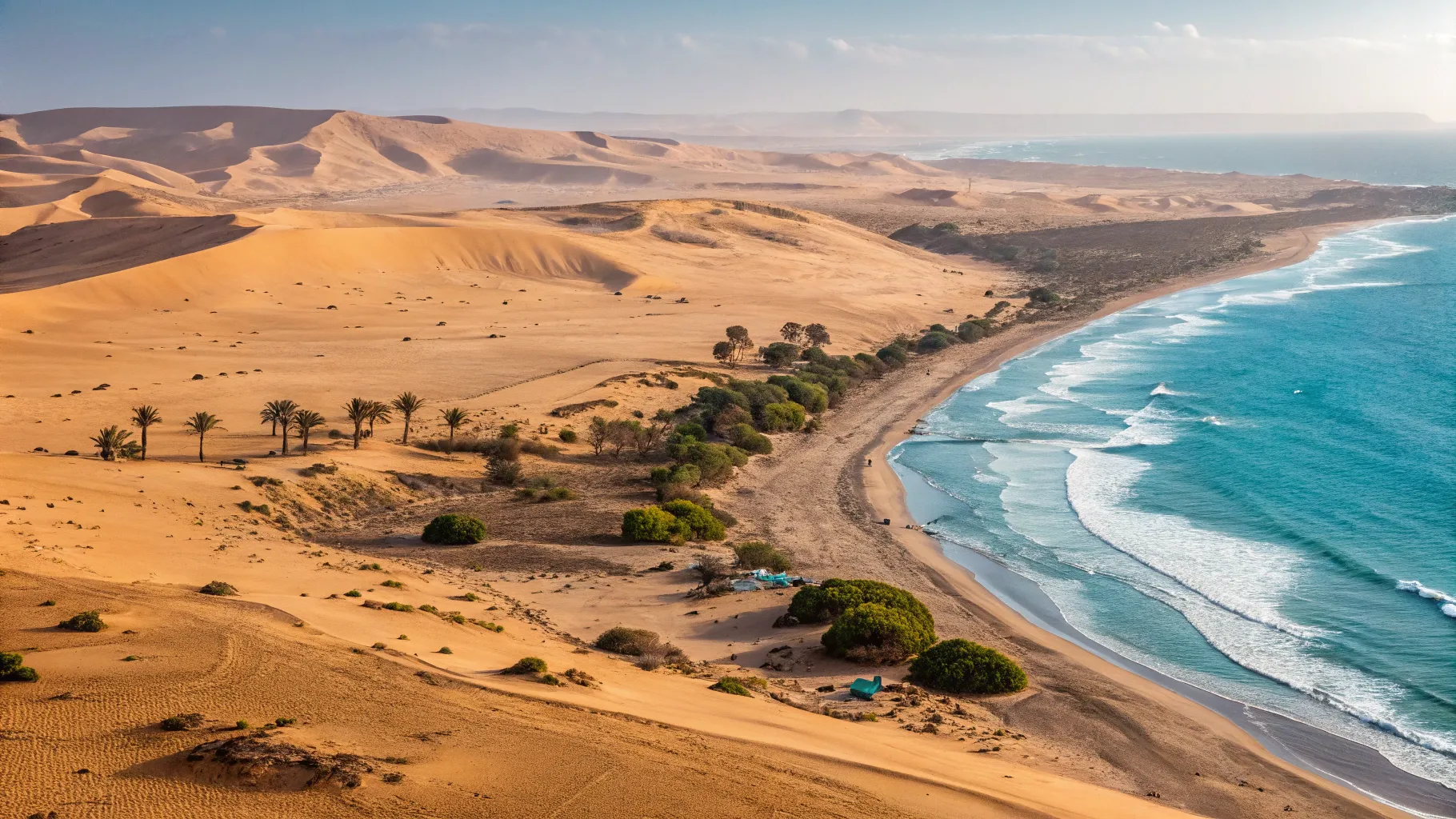
Is Morocco or the Canary Islands Better for Winter Sun from the UK?
When weighing your options between Morocco and the Canary Islands, several factors come into play: climate, cost, activities, and overall experience. Let's take a closer look at what each destination has to offer during the winter months.
The Climate Comparison
Mild winter temperatures are one of the biggest draws for both locations. In winter, the Canary Islands enjoy an average temperature ranging from 18°C to 22°C (64°F to 72°F), often accompanied by plenty of sunshine. It's not uncommon for visitors to bask in the sun on beaches like Playa de las Américas or Costa Adeje, making it a popular choice for those looking to unwind by the ocean.
Morocco, on the other hand, offers diverse climates depending on the region you choose to visit. Coastal cities like Agadir and Essaouira typically experience temperatures of 16°C to 20°C (61°F to 68°F) in winter. If you venture into the Sahara Desert, nights can be quite chilly, but days can warm up dramatically, reaching up to 22°C (72°F). Those who want to explore Marrakesh or Fes will find daytime temperatures comfortable for sightseeing, though it’s essential to prepare for cooler evenings.
Cost of Morocco vs Canary Islands Winter Holiday
Cost is always a crucial factor in planning travel, especially for budget-conscious UK travelers. Currently, the average flight price to the Canary Islands hovers around £150 to £200 for round-trip flights from major UK airports, depending on how early you book. Accommodations vary widely from all-inclusive resorts to affordable guesthouses. A one-week all-inclusive holiday can range from £600 to £1,200.
In contrast, flights to Morocco can be even more economical, often available for under £100 round trip. Furthermore, a week-long stay in Morocco can be a delightful bargain, with decent hotels or riads starting at just £30 a night. Meals are also less expensive, allowing you to experience local dining without breaking the bank. Travelers should expect to spend around £400 to £800 for a week in a comfortable yet local setup.
Activities and Experiences
For adventurers, both destinations offer a range of activities. The Canary Islands boast an impressive variety of outdoor activities such as hiking, surfing, and exploring national parks like Teide National Park. For those interested in culture, the islands feature charming towns and local markets, and you can experience the famous Carnival of Santa Cruz de Tenerife if your travel coincides with the festival season.
Morocco is equally rich in activities and experiences. The bustling souks of Marrakesh provide a sensory overload of colors and flavors that excite and entice travelers. Tourists can explore the majestic Atlas Mountains or take a camel ride in the Sahara, where they can sleep under the stars in a desert camp. Cities like Essaouira and Fez offer deep dives into history and culture that are incredibly appealing to those passionate about exploring their surroundings.
The Cultural Experience
Another aspect to consider is the cultural immersion each destination offers. Morocco is steeped in history with influences from Berber, Arabic, and French cultures. From the stunning architecture of the Medinas to traditional Moroccan meals like tagine, the experience is filled with unique flavors and sights.
Conversely, the Canary Islands, though part of Spain, have their own diverse history and rich traditions, influenced by Spanish, African, and Portuguese heritages. Visitors will find vibrant festivals, delicious local cuisine such as papas arrugadas, and hospitable locals willing to share their stories.
Pros and Cons of Morocco in Winter
- Pros:
- Affordable accommodation and food costs.
- Diverse cultural experiences.
- Unique landscape from mountains to deserts.
- Fewer tourist crowds compared to more established winter sun spots.
- Cons:
- Variable weather, especially in inland areas.
- More travel logistics if visiting multiple cities.
Pros and Cons of Canary Islands in Winter
- Pros:
- Consistently warm weather with plenty of sunshine.
- Well-developed tourism infrastructure.
- Variety of beach, outdoor, and cultural activities.
- Cons:
- Higher overall costs compared to Morocco.
- Can be crowded, especially at popular tourist spots.
Ultimately, the choice between Morocco and the Canary Islands for winter sun from the UK comes down to personal preference. If you seek an affordable, culturally rich experience with stunning landscapes, Morocco is your best bet. However, if you’re after guaranteed warmth, beautiful beaches, and a range of leisure activities, the Canary Islands may be the destination for you.
No matter which destination you choose, both Morocco and the Canary Islands present tantalizing options for winter sun that can lift your spirits during the colder months ahead.
Authored by FreshLifeWire team