Monitor Hypertension: 5 Key Warning Signs
Identifying the 5 Warning Signs of Hypertension in 2025
Recognizing the subtleties of high blood pressure, or hypertension, is more vital than ever in 2025. Dubbed the "silent killer," hypertension contributes insidiously to heart disease, often without clear warning until severe complications arise. Now, with almost a third of the American adult population affected, understanding its early signs can significantly mitigate health risks.
A Primer on Blood Pressure and Its 2025 Standards
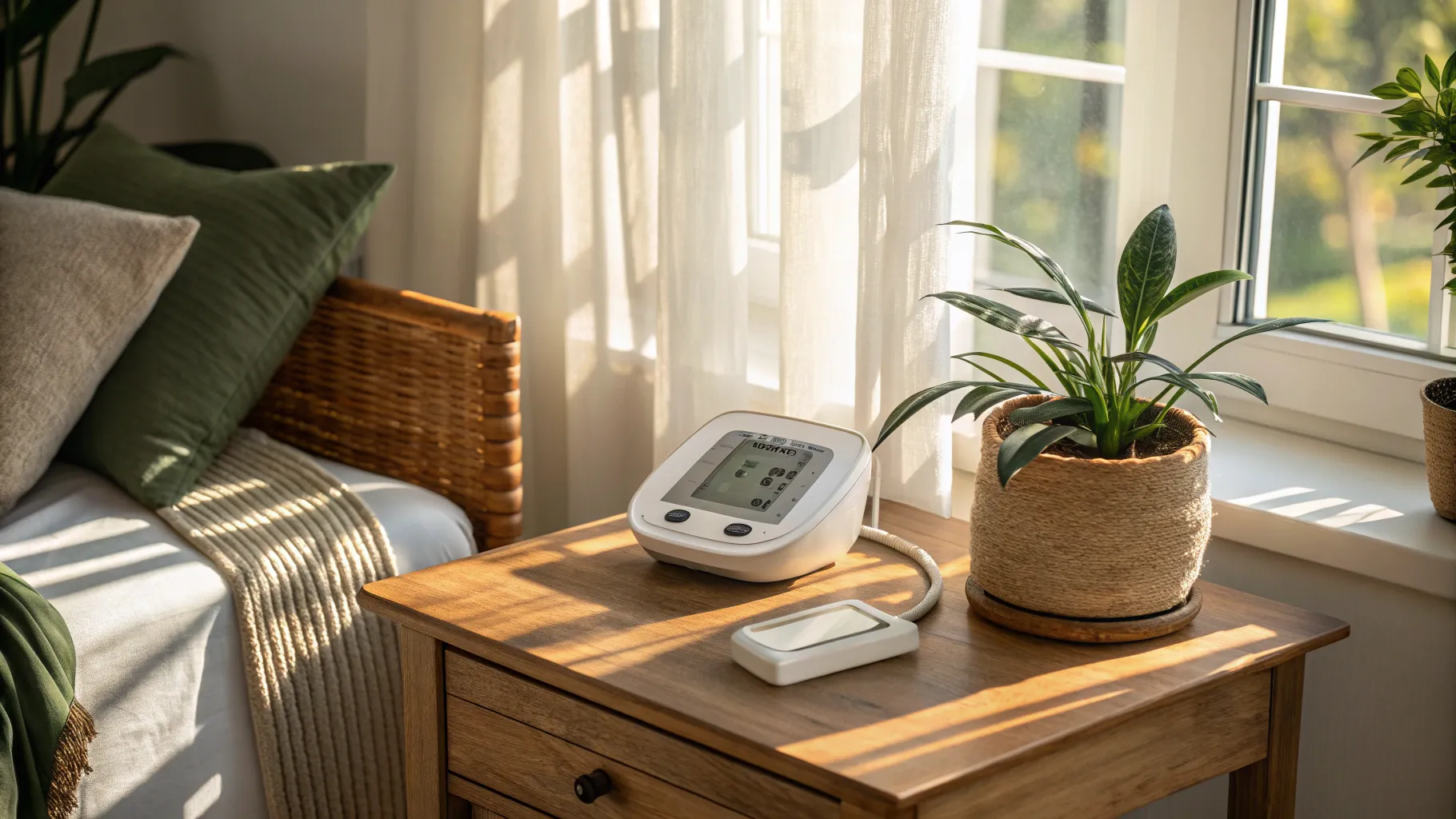
Before exploring symptoms, it's crucial to grasp how blood pressure operates. Blood pressure measurements are presented as two numbers: systolic, recording heart contractions, and diastolic, capturing resting phases. As of now, a reading surpassing 130/80 mm Hg signals hypertension. As symptoms barely show up initially, regular measurement remains the cornerstone of preventive health care.
1. Headaches and Dizziness: Unveiling the Silent Signs
A constant headache might seem trivial or attributed to daily stresses. However, don't ignore its potential link to hypertension. The same goes for dizziness, particularly noticeable during sudden movements or standing quickly. It’s crucial to assess these symptoms for possible underlying blood pressure issues beyond just tiredness or dehydration.
2. Breathing Difficulties and Chest Pain: Alarming Yet Often Overlooked
Experiencing episodes of chest pain or unexplained shortness of breath could be symptomatic of uncontrolled hypertension. While these sensations might prompt concerns about cardiac issues, they're just as pertinent in the realm of blood pressure irregularities. If these symptoms persist regularly or increase in severity, seeking immediate medical advice is paramount.
- Pay attention to patterns of discomfort — even brief chest pains shouldn’t be casually dismissed.
- Coupled with dizziness and headache, these might indicate a hypertensive emergency, demanding prompt intervention.
3. Vision Changes: Not Just an Optical Problem
Blurriness or other visual disturbances might not immediately suggest high blood pressure, but they often are a red flag for hypertensive damage to ocular blood vessels. In particular, the risk of hypertensive retinopathy grows with prolonged high blood pressure. If vision issues persist, connecting with a healthcare provider becomes essential.
Delving into Additional Symptoms and Vulnerabilities
4. The Underestimated Nosebleed Signal
While not commonly associated with hypertension, frequent nosebleeds can point to elevated blood pressure, especially if there's no apparent cause. It’s advisable to consult a healthcare professional if this occurs, to identify if hypertension is the underlying factor.
5. Fatigue and Sudden Mental Cloudiness
Fatigue combined with sudden confusion can easily be overlooked, yet signify vital warnings of high blood pressure. When the brain receives inadequate blood flow due to hypertension, cognitive functions such as concentration and memory can suffer. Sudden energy dips or difficulty in thinking clearly should prompt medical assessment.
Adopting Health-Promoting Lifestyles Remains Key: Poor dietary habits and sedentary living significantly escalate hypertension risk, spanning across younger demographics increasingly. In 2025, data from health authorities highlight that lifestyle choices profoundly influence blood pressure. Prioritizing a well-balanced diet abundant in vegetables, while minimizing salty and processed foods, can substantially reduce hypertension risk.
Pro tips: Early Intervention and Regular Checkups
The line between well-being and the onset of hypertension can be remarkably thin due to its silent progression. Nonetheless, several indicators within this article help highlight when it's crucial to consult a doctor, particularly when:
- Symptoms continue to impede daily life.
- Blood pressure frequently measures above 130/80 mm Hg.
- There's a verified family history of hypertension or cardiovascular conditions.
In 2025, smart technology like wearable devices makes monitoring blood pressure easier and more consistent, supporting everyday health oversight. This shift in personal health management underscores the importance of proactive intervention.
Almost universally, recognizing early symptoms and readily seeking medical assessment pave the way for effective management of hypertension. Although the threat remains significant, adaption to healthier lifestyles, coupled with advanced health monitoring, puts power squarely in our hands. Listen to our bodies, prioritize well-being, and counteract the silent but impactful threat of hypertension through informed choices and regular health check-ups.
Authored by FreshLifeWire team