Essential Tips for Mold Removal and Health Risks in 2025
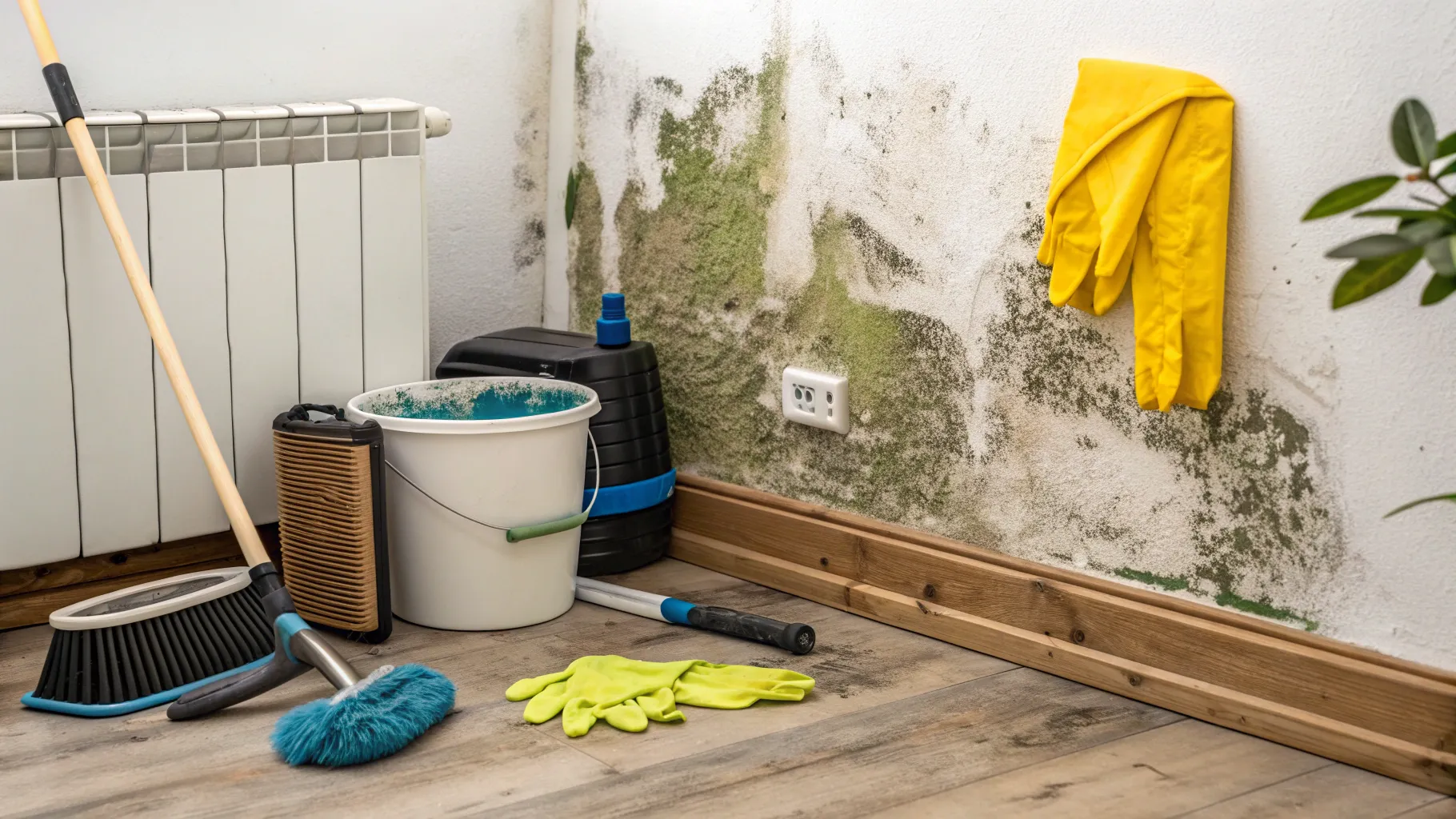
Mold Removal in 2025 Everything You Need to Know
Mold isn’t just an unsightly blemish in our homes; it represents a significant health risk for everyone residing there. As awareness of the dangers of mold grows, especially in 2025, it is crucial for homeowners to stay informed about how to manage and mitigate these risks effectively. This guide will walk you through identifying mold, understanding its health implications, and implementing robust removal strategies to ensure your home environment remains healthy.
Mold Health Risks and Effects
Mold flourishes in damp, humid conditions—making many households susceptible to infestation. Recent studies reveal that approximately 15% of homes across the United States contend with mold issues, as highlighted in reports by the Environmental Protection Agency. This statistic is alarming, emphasizing the importance of grasping the health risks associated with mold exposure.
When inhaled or contacted, mold spores can lead to a myriad of health complications. Vulnerable groups such as children and the elderly are particularly at risk. Here’s a breakdown of key health risks linked to mold exposure:
- Allergic Reactions: Many people experience sneezing, rashes, and itchy eyes when exposed to mold spores. For those with pre-existing allergies, symptoms can worsen significantly.
- Respiratory Issues: Individuals suffering from asthma or chronic respiratory conditions find that mold can trigger attacks and exacerbate their symptoms, leading to severe health outcomes.
- Mycotoxin Exposure: Certain strains of mold produce toxins that can cause everything from headaches to cognitive impairments, affecting the nervous system.
- Infections: For individuals with weakened immune systems, mold exposure carries higher risks, potentially leading to infections that require medical attention.
Early detection of mold is crucial for mitigating these risks. Signs to look out for include musty odors, visible mold patches, and moisture damage in various corners of your home. The sooner you react to these indicators, the more effective your mold removal strategy will be.
How to Identify Mold in Your Home
Identifying mold in your residence is vital for preserving a safe living space. Here are some common indicators that might suggest a mold problem:
- Visible Mold Growth: Mold typically presents itself as dark spots or patches which may appear fuzzy or slimy. Focus particularly on high-moisture areas like bathrooms, kitchens, and around windows.
- Excess Moisture: Mold thrives in areas with elevated humidity. Check basements, bathrooms, and worriedly inspect any locations prone to leaks or spills.
- Health Changes: Unexplained allergy-like symptoms among household members can hint at mold presence. If someone suddenly develops persistent coughs or skin reactions, it may be worth investigating.
By remaining alert to these signs, homeowners can prevent potential health complications and achieve peace of mind. Addressing mold issues promptly can safeguard both health and property.
Common Causes of Mold Growth
The primary requirements for mold proliferation include moisture and warmth. Here are several prevalent factors that contribute to mold presence:
- Water Leaks: From leaky pipes to roof damages, any water accumulation can create ideal conditions for mold to develop.
- High Indoor Humidity: Indoor humidity levels that exceed 60% facilitate mold growth. You might consider using dehumidifiers to maintain stable humidity levels.
- Condensation: Places with minimal insulation, like windows and poorly insulated walls, can gather moisture due to condensation—an ideal environment for mold.
- Poor Ventilation: Areas like attics and bathrooms lacking proper airflow become damp, prompting favorable conditions for mold.
Implementing routine inspections for moisture issues and enhancing ventilation in your home can significantly reduce the risk of mold development. Investing in good quality ventilation systems can be a game changer in your battle against mold.
Effective Mold Removal Techniques
Once you discover mold in your home, swift action is necessary to prevent further spread. Below are effective mold removal methods:
- DIY Mold Removal: For small patches of mold (less than 10 square feet), homeowners can often tackle the issue with a simple cleaning solution made of water and detergent. Remember to don protective gear, including gloves and a mask, to safeguard against inhaling spores.
- Professional Mold Remediation: If the infestation is extensive or affects structural materials, it's prudent to contact mold remediation experts. They possess advanced techniques and equipment to conduct thorough assessments and effective mold removal.
- Post-Removal Monitoring: After addressing mold, consider applying mold-resistant coatings to affected surfaces. Regularly monitoring humidity levels and utilizing exhaust fans in damp areas can further enhance prevention strategies.
In our current year of 2025, technological advancements have brought about innovative tools for mold prevention. Smart home devices now exist that can track humidity levels and even alert you to potential leaks before they escalate into mold issues. Such proactive measures help homeowners maintain healthier living spaces.
The fundamental takeaway is the necessity of being proactive when it comes to understanding mold, recognizing its health implications, and implementing effective elimination tactics. By remaining vigilant and taking decisive action, you can significantly minimize mold-associated risks and create a safer haven for your family and loved ones. Crafting a solid plan for mold management will become an integral part of maintaining a happy, healthy home.
Authored by FreshLifeWire team