Modern Modular Homes: Costs, Designs and Financing
Modern Modular Homes: An Overview
Modular homes are prefabricated structures built in sections at a factory and assembled on-site. They offer a flexible and efficient alternative to traditional homes, allowing homeowners to customize layouts while reducing construction time and costs. With modern techniques, these homes are increasingly durable, stylish, and energy-efficient.
Modular Home Cost
The modular home cost depends on size, materials, and customization. On average, costs can range from $100 to $200 per square foot, which is often lower than conventional construction. Additional expenses may include land preparation, permits, and utility hookups. Compared to traditional homes, modular construction can save both time and money.
Modular Home Financing
Securing modular home financing works similarly to traditional mortgages, but some lenders specialize in prefab or modular construction loans. It’s important to check loan eligibility, interest rates, and payment terms to ensure a smooth home-buying process. Many buyers combine standard mortgages with construction loans for efficiency.
Modern Modular Homes and Designs
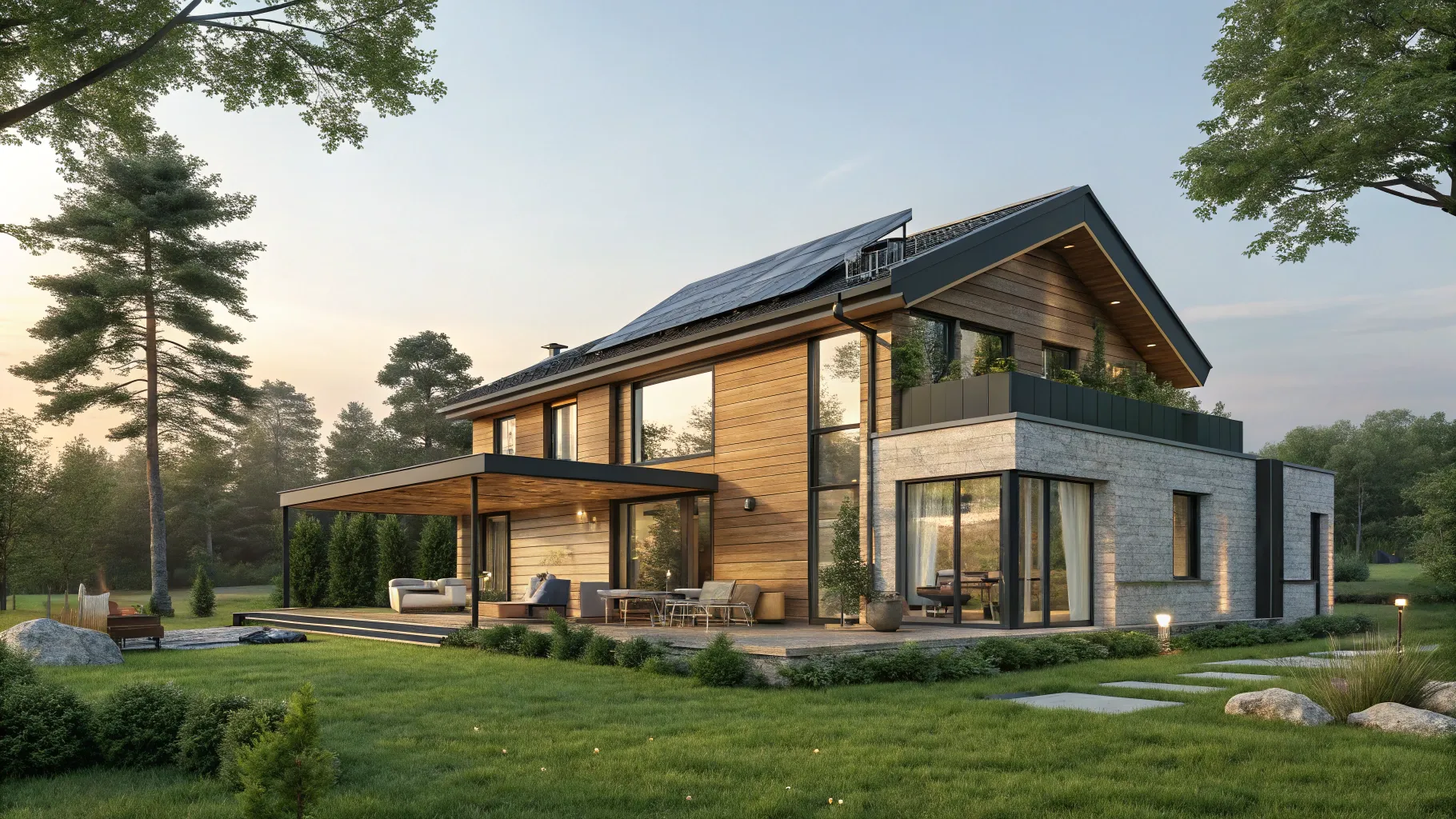
Today’s modern modular homes offer diverse layouts and sleek modular home designs suitable for families, retirees, or eco-conscious buyers. Modular homes can include open floor plans, multiple bedrooms, and sustainable materials. Designs often focus on maximizing natural light and energy efficiency.
Modular Home Construction
Understanding modular home construction is key. The building process involves:
- Factory fabrication of modules to ensure quality and precision.
- Transportation of modules to the site.
- On-site assembly and final finishing work.
- Inspections and approvals to meet local building codes.
This approach reduces weather-related delays and allows homeowners to move in faster than with traditional construction methods.
Sustainable Modular Homes
Sustainable modular homes focus on energy efficiency, eco-friendly materials, and low environmental impact. Many use solar panels, efficient insulation, and water-saving fixtures. Choosing sustainable options can reduce long-term costs while contributing to a greener future.
Advantages of Modular Homes
Modular homes provide several advantages:
- Faster construction and move-in times.
- Lower costs compared to traditional homes.
- Customizable layouts and modern designs.
- Energy efficiency and sustainable building practices.
- Durable and compliant with strict building codes.
Conclusion
Whether considering modular homes for cost savings, modern modular home designs, or sustainable living, modular construction offers a smart solution for contemporary homeowners. With proper financing and planning, it’s possible to enjoy a beautiful, efficient, and eco-friendly home in significantly less time than traditional construction.
Authored by FreshLifeWire team