Mobility Aids for Seniors for Safe Comfortable Use
Safe and Comfortable Mobility Choosing the Best Aids for Older Adults
As our loved ones age, the challenge of ensuring their independence while maintaining their safety becomes increasingly vital. In 2025, mobility aids for seniors have evolved significantly, offering various options that prioritize stability, support, and comfort. The right walking sticks, rollators, and walkers for elderly individuals can help prevent falls and enhance the overall quality of life for older adults.
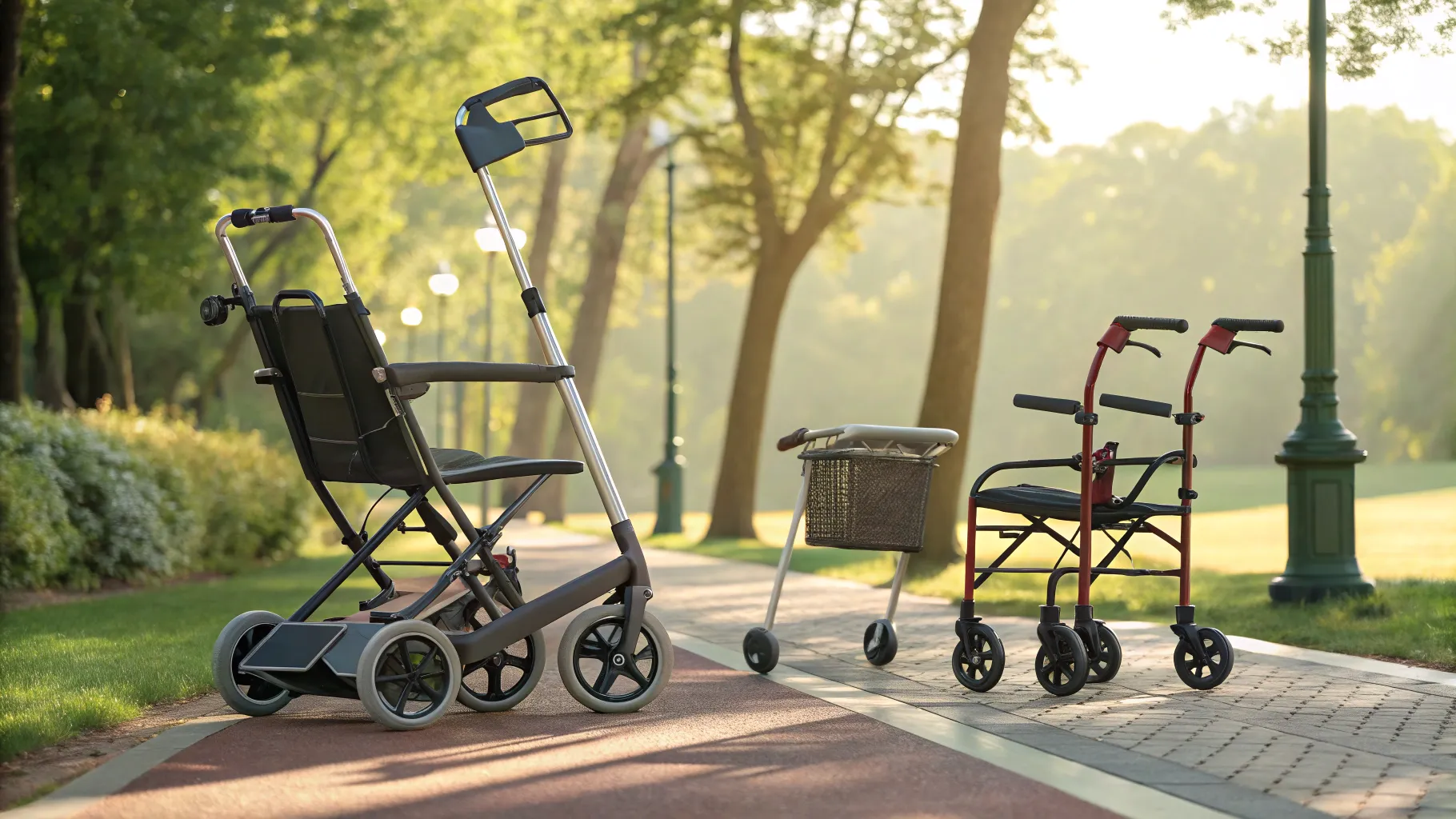
Understanding Mobility Aids for Seniors
Mobility aids are essential tools designed to assist individuals who may struggle with balance, strength, and coordination. Recent studies reveal that approximately one in four older adults experiences a fall each year, underscoring the need for effective strategies in enhancing senior health and safety.
There are several key types of mobility aids:
- Walking Sticks: These provide excellent stability support and are available in various styles to match individual preferences.
- Rollators: Equipped with wheels, rollators facilitate easier movement and often include a seat, allowing seniors to rest as needed.
- Walkers: Traditional walkers offer sturdy support while requiring minimal effort to use, making them a popular choice among older adults.
- Adaptive Mobility Tools: Innovations like seated scooters and power chairs help those with limited mobility navigate comfortably through their environments.
In 2025, walking sticks for the elderly have transformed beyond simple canes. Many present-day models boast ergonomic grips, adjustable heights, and even built-in lights for nighttime navigation. This evolution allows older adults to personalize their mobility aids, significantly enhancing both their utility and comfort.
Choosing the Right Mobility Aid
Selecting the appropriate mobility aid requires consideration of several critical factors. Tailoring choices to the individual's specific needs, lifestyle, and daily environment is essential. For example, someone who enjoys walks in nature may benefit more from a rollator, while a person living in a smaller space might find a lightweight walker more suitable.
Follow these steps to help guide you in selecting the most effective mobility assistance:
- Assess Mobility Level: It's essential to understand the person's ability to stand, walk, or maintain balance. Consulting with a healthcare provider can provide valuable insights.
- Understand the Environment: Analyze where the mobility aid will primarily be used—indoors or outdoors—to determine if a wheeled option or fixed support is preferred.
- Evaluate Comfort and Fit: Testing different models for comfort is crucial. The grip should feel natural, and seat heights should match personal preferences.
- Consult with a Specialist: Occupational therapists can provide tailored recommendations based on assessments of physical capabilities, which can significantly simplify the selection process.
Real-world examples illustrate the profound impact of these choices. Take the case of Mrs. Thompson, an 82-year-old resident of a suburban community. Transitioning from a standard walker to a rollator has transformed her daily life. The added mobility provided by the rollator gives her confidence while navigating her neighborhood, ultimately enhancing her daily walks and overall mood.
Ensuring Safety with Mobility Aids
Implementing a mobility aid requires mindfulness about safety precautions. Training elderly users on proper usage techniques can drastically reduce the risk of falls. Furthermore, maintaining the condition of these aids is vital for their ongoing effectiveness.
Here are essential safety tips to consider:
- Regular Maintenance: Regularly check for wear and tear, ensuring that all parts are functioning correctly to prevent accidents or injuries.
- Proper Usage Training: Teach seniors how to maintain balance, keep their focus ahead, and adjust their pace correctly while using their mobility aids.
- Home Safety Review: Conduct a review of the home environment to minimize hazards, which includes securing area rugs, installing grab bars in key locations, and ensuring proper lighting throughout the living space.
- Incorporate Technology: Leverage advancements in technology, such as smart walkers equipped with built-in alarms or smartwatches offering fall detection, to enhance safety effectively.
Innovative health devices currently available provide a wealth of data on mobility patterns, enabling caregivers to monitor their elderly loved ones and intervene when necessary. Wearable technology, increasingly popular in 2025, offers alternative ways to ensure safety and connectivity.
Preventing Falls Through Educated Choices
Data analysis conducted over the last six months indicates that using mobility aids effectively can reduce the risk of falls by up to 40%. By thoughtfully choosing equipment and providing education on proper usage, we can significantly reduce the incidence of injuries among older adults. Rollators, in particular, support a natural walking posture that helps mitigate stress on joints and prevent slips, which can arise from improper gait.
It's worth noting that adopting mobility aids can also have emotional benefits for seniors. These aids promote independence, allowing older adults to engage socially without feeling restricted by their mobility concerns. The sense of achievement gained from mastering a walking stick or rollator can greatly enhance their self-esteem, making a considerable difference in their mental health.
As we navigate 2025, understanding the dynamics of mobility aids is crucial to fostering a safer, more active lifestyle for seniors. The present time equips us with a variety of tools to enhance stability support, allowing older adults to thrive during their golden years. Taking the time to select the right walking aids, paired with a proactive approach to safety, lays the foundation for longer, healthier lives filled with activity and joy.
Authored by FreshLifeWire team