Minimally Invasive Spinal Fusion Benefits for Seniors
Understanding Minimally Invasive Spinal Fusion
Minimally invasive spine surgery (MISS) has emerged as a groundbreaking approach in the field of spinal procedures, transforming the experience of patients suffering from debilitating back pain and related conditions. Unlike traditional spinal surgeries that involve large incisions and significant disruption of surrounding tissues, MISS utilizes smaller incisions, leading to a range of advantages including faster recovery and reduced postoperative discomfort. As technology advances, the effectiveness and accessibility of minimally invasive spinal fusion techniques have seen significant improvements, paving the way for many individuals to reclaim a pain-free life.
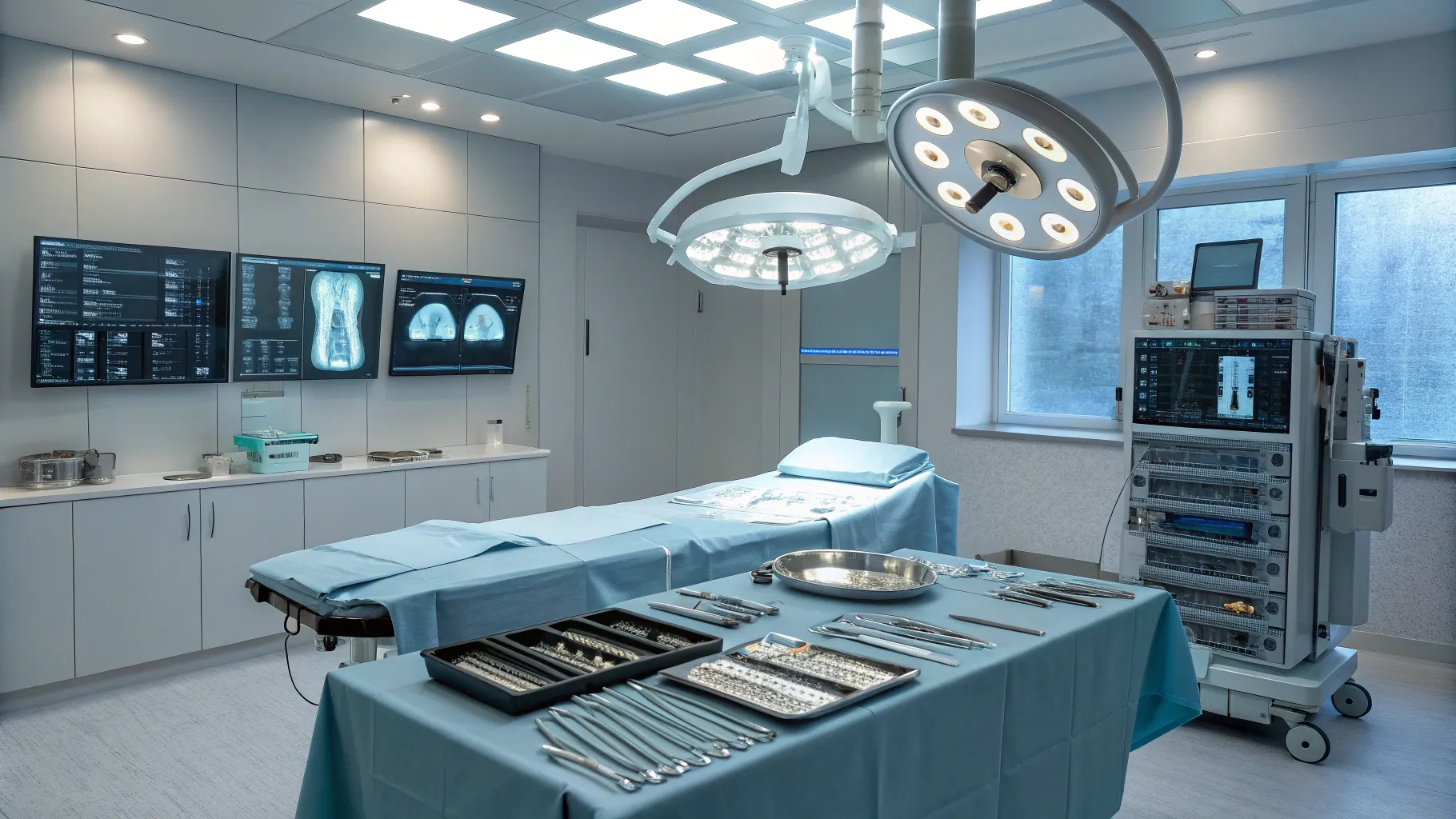
The Advantages of Minimally Invasive Spine Surgery
The benefits of minimally invasive spine surgery are numerous, making it an attractive option for both patients and surgeons alike. One of the most significant advantages is the reduced recovery time associated with the procedure. As reported by the American Academy of Orthopaedic Surgeons in 2025, patients often experience a much quicker return to their daily lives compared to those who undergo traditional spinal fusion. Most patients can expect to resume their normal activities within four to six weeks, whereas traditional methods typically require a recovery period of two to three months.
- Reduced Pain: Smaller incisions mean less trauma to the body, which translates to less postoperative pain. Many patients report needing less pain medication following minimally invasive procedures.
- Lower Risk of Complications: Due to the reduced muscle and tissue dissection, there is a notable decrease in the likelihood of complications such as infections, anesthesia issues, and prolonged recovery times.
- Minimal Scarring: The small incisions required for minimally invasive techniques result in significantly less visible scarring, which is a concern for many patients, enhancing their overall aesthetic satisfaction with the procedure.
According to recent studies, over 80% of patients undergoing minimally invasive spinal fusion report substantial gains in pain relief and functionality. This statistic highlights the successful outcomes that this innovative surgical method can achieve.
Costs and Considerations of Minimally Invasive Spinal Fusion Techniques
While the advantages of minimally invasive spinal fusion are compelling, it is crucial to consider the associated costs. As of 2025, the average price for minimally invasive spinal fusion surgery in the United States ranges from $30,000 to $50,000. Factors influencing the price include the complexity of the procedure, the specific hospital facility, and the surgeon's level of expertise. This investment in health can be daunting, and many patients are understandably concerned about out-of-pocket expenses.
Insurance coverage plays a significant role in making these procedures accessible. Many insurance companies will cover minimally invasive spinal fusion when it is determined to be medically necessary. Patients are encouraged to inquire about their insurance plans and request detailed estimates from healthcare providers to fully understand potential costs. Planning ahead can help mitigate financial stress as they prepare for their surgeries.
Is Minimally Invasive Spine Surgery Right for Seniors?
Seniors often face a unique set of challenges when it comes to spinal problems, including conditions like degenerative disc disease and spinal stenosis. Minimally invasive spinal fusion can be incredibly beneficial for older patients due to its less invasive nature, resulting in shorter recovery times and a mitigated risk of complications. A recent study conducted in early 2025 indicated that seniors exercising the option of minimally invasive techniques experienced faster recovery rates. Approximately 75% reported feeling more confident about resuming physical activities post-surgery compared to traditional surgical methods.
It is vital for both healthcare providers and patients to engage in thorough discussions regarding treatment plans, considering age-related factors and overall health. Older adults will often have multiple medical issues, making the gentle approach of minimally invasive surgery more appealing.
Risks and the Rehabilitation Process
Though minimally invasive spinal fusion is generally recognized for its safety profile, it's essential to discuss the potential risks associated with any surgical procedure. These risks can include bleeding, infection, nerve damage, and reactions to anesthesia. However, selecting a highly qualified and experienced surgeon who specializes in these techniques can help to significantly lower the risks involved.
After surgery, patients typically enter a tailored rehabilitation program that focuses on recovery and spinal health restoration. Physical therapy is often initiated within days of the surgery, helping patients regain strength and mobility. The rehabilitation process usually spans three to six months, depending on individual recovery progress and health status. It incorporates core strengthening, flexibility training, and low-impact activities designed to reduce stiffness and enhance overall vigor.
Success Stories and Patient Experiences
Stories from real patients illustrate the profound impact of minimally invasive spinal fusion techniques. For instance, there’s the inspiring journey of Linda, a 68-year-old retired teacher who had long struggled with persistent back pain due to degenerative disc disease. After a thorough consultation with a specialist, she opted for minimally invasive spinal fusion. Remarkably, within six weeks of her surgery, she was back in her garden, enjoying time with her grandchildren—a lifestyle she thought she had lost forever.
Linda's story is not isolated. Many individuals are sharing how minimally invasive spinal fusion has allowed them to rediscover activities they cherish, often returning with renewed enthusiasm. The technological advancements and personalization of surgical approaches significantly increase the likelihood of positive outcomes, enriching the lives of countless patients.
As we move forward in 2025, the focus on spine care is shifting towards minimally invasive procedures that prioritize not only effectiveness but also patient comfort and quality of life. For those grappling with chronic spinal ailments, consulting a spine specialist to explore the possibility of minimally invasive spinal fusion could be a pivotal step towards regaining a fulfilling and active lifestyle.
In summary, with the continued evolution of surgical techniques, minimally invasive spinal fusion is increasingly becoming a beacon of hope for those suffering from spinal disorders, allowing them to live without the constraints of pain and limitation.
Authored by FreshLifeWire team