Explore Military Trucks for Civilian Use Benefits and Prices
Military Trucks for Civilian Use: Unlocking Their Potential
Across the globe, military trucks are increasingly finding a second life as civilian vehicles, proving their versatility and reliability in a variety of roles. From farmers needing robust transportation for equipment to adventure enthusiasts seeking off-road capabilities, military trucks for civilian use are gaining popularity for their durability and rugged design.
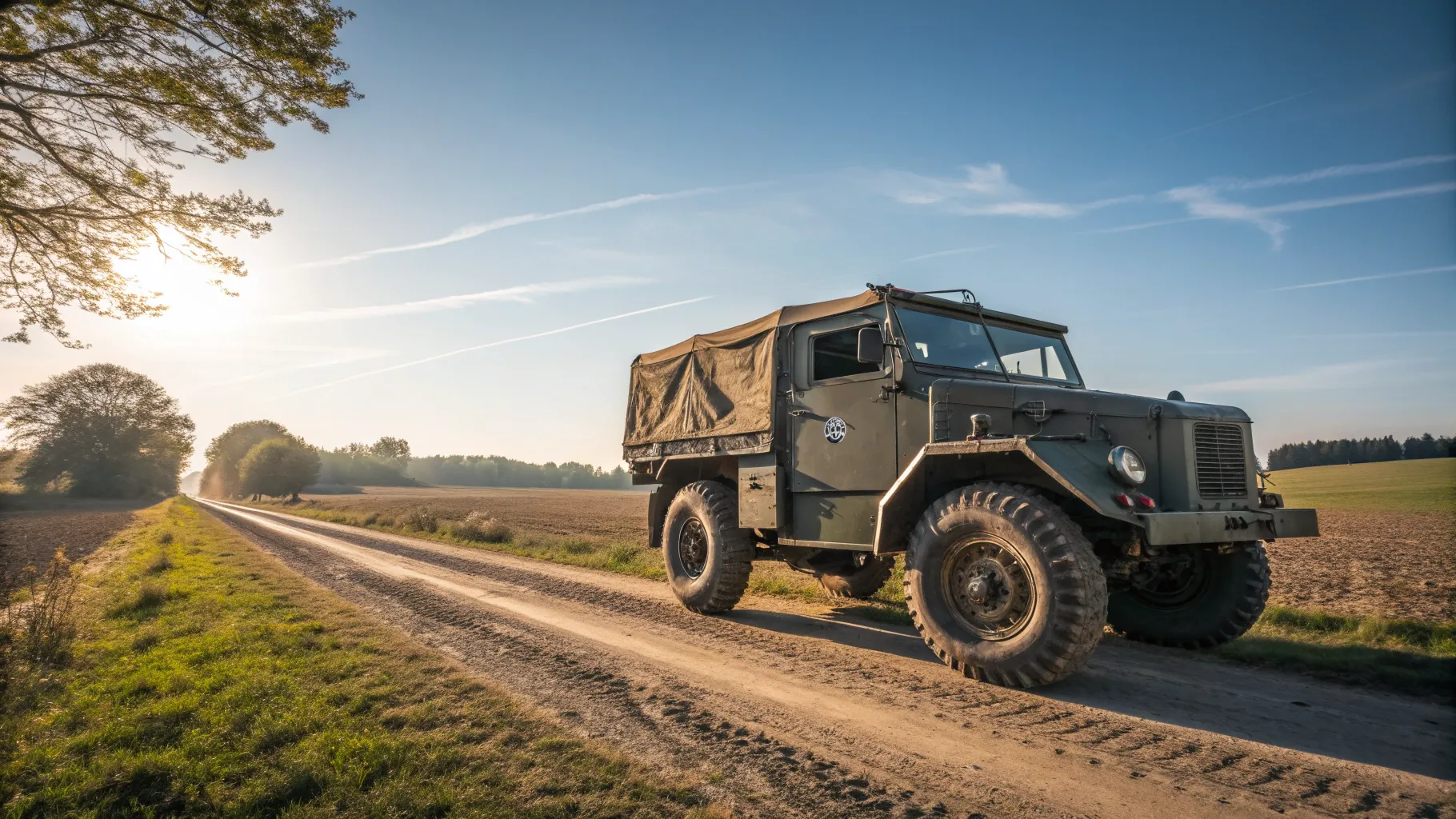
Benefits of Using Military Trucks in Civilian Life
The shift of military trucks into civilian use is not merely trend-driven; it comes with substantial benefits. Apart from their hardy frameworks, military vehicles are built to endure extreme conditions, making them suitable for various applications. Here are some key advantages of integrating these powerhouse vehicles into everyday civilian life:
- Durability: Military trucks are engineered to withstand harsh environments. Their robust frames and powerful engines can handle everything from uneven terrain to severe weather conditions, ensuring longevity and reliability.
- Affordability: Refurbished military trucks offer significant savings compared to new civilian models. Reports show that prices for refurbished military trucks range from $10,000 to $30,000, depending on the model and condition, making them accessible to a wider audience.
- Versatility: These trucks can be adapted for numerous roles, whether it’s for transporting goods, off-road adventures, or as a reliable work vehicle on construction sites. Their customizable nature is appealing for different types of users.
- Low Maintenance Costs: Given their rugged construction, these trucks typically have lower maintenance costs than many civilian vehicles. This means less down-time and more time on the road or at the job site.
These benefits have led many people to consider military trucks for their needs, highlighting the balance between cost and efficiency.
How to Register Ex-Military Trucks
Transitioning from military use to civilian application involves navigating through registration processes that can vary widely by state. Here’s a step-by-step guide to help you understand how to register ex-military trucks:
- Research State Regulations: Begin by visiting your local Department of Motor Vehicles (DMV) website or office. Each state has different requirements regarding weight classifications, emissions, and safety checks.
- Ensure Compliance: Before registration, ensure that the truck meets necessary safety standards. Some vehicles may require modifications to comply with civilian road laws.
- Gather Necessary Documentation: Common documents required include the original military title, proof of purchase, and a bill of sale. Additionally, you may need to provide documentation regarding any modifications made.
- Submit Vehicle for Inspection: Many states require a safety inspection, particularly for heavy-duty vehicles. This could include checking lights, brakes, and tires to ensure the vehicle is roadworthy.
- Complete Registration Process: After passing inspection, fill out the registration application. Fees will vary but are often reasonable, especially considering the vehicle's versatility.
Completing this registration process not only unlocks the truck for use but ensures its compliance with local laws, thus opening the door to its many uses.
Inspection Checklist for Ex-Army Trucks
Proper inspection is essential, ensuring safety and functionality when transitioning military trucks to civilian use. Here’s an effective checklist to avoid any potential problems:
- Frame and Body Integrity: Check for rust, corrosion, and any signs of previous damage. The frame should be solid, with no significant bends or cracks.
- Engine Performance: Start the engine and listen for any unusual noises. Check oil levels, and inspect belts and hoses for any wear and tear.
- Braking System: Ensure brakes are responsive. Inspect the brake lines for leaks, and check brake pads for wear.
- Tires: Review tire tread depth and check for uneven wear. Proper inflation levels should also be ensured for optimal performance.
- Electrical Systems: Verify that all lights (headlights, signal lights, brake lights) are functioning. Check wiring for any exposed or damaged areas.
- Interior Components: Inspect the interior for functionality - the heating and cooling system, adjustable seats, and instrument panel need to be operational.
Keeping this checklist in hand while inspecting can save time, cost, and potential issues later on!
Refurbished Military Truck Prices
If you're curious about refurbished military truck prices, the market has seen a notable increase in demand over the past year, attributed largely to heightened interest in diverse transportation solutions. On average, these vehicles are priced between $10,000 to $30,000, depending on their age, condition, and model specifications. Recently, auctions and specialized dealers have emerged, showcasing refurbished military trucks tailored for civilian purposes.
Buyers are keen to invest in these vehicles, motivated by their capabilities and the substantial savings compared to traditional civilian trucks. Moreover, financing options are becoming more accessible, paving the way for more individuals and businesses to acquire these remarkable vehicles.
In summary, military trucks are proving to be a formidable asset in civilian life, serving various needs across industries. Their resilience, affordability, and adaptability are tailor-made for today's market. Whether tackling tough terrains or transporting heavy loads, ex-military trucks represent a wise choice for those looking to invest in reliable and functional vehicles.
Authored by FreshLifeWire team