Military Truck vs Civilian Truck Durability Comparison Guide
Military Truck vs Civilian Truck Durability Compared
In the dynamic world of truck manufacturing, the divide between military and civilian vehicles becomes increasingly pronounced, especially in the realm of durability. As we step into 2025, advancements in technology and engineering continue to shape these two sectors—a crucial comparison of military trucks and civilian trucks allows us to understand their respective capabilities and costs. This evaluation is essential for businesses, government agencies, and consumers looking to make informed decisions.
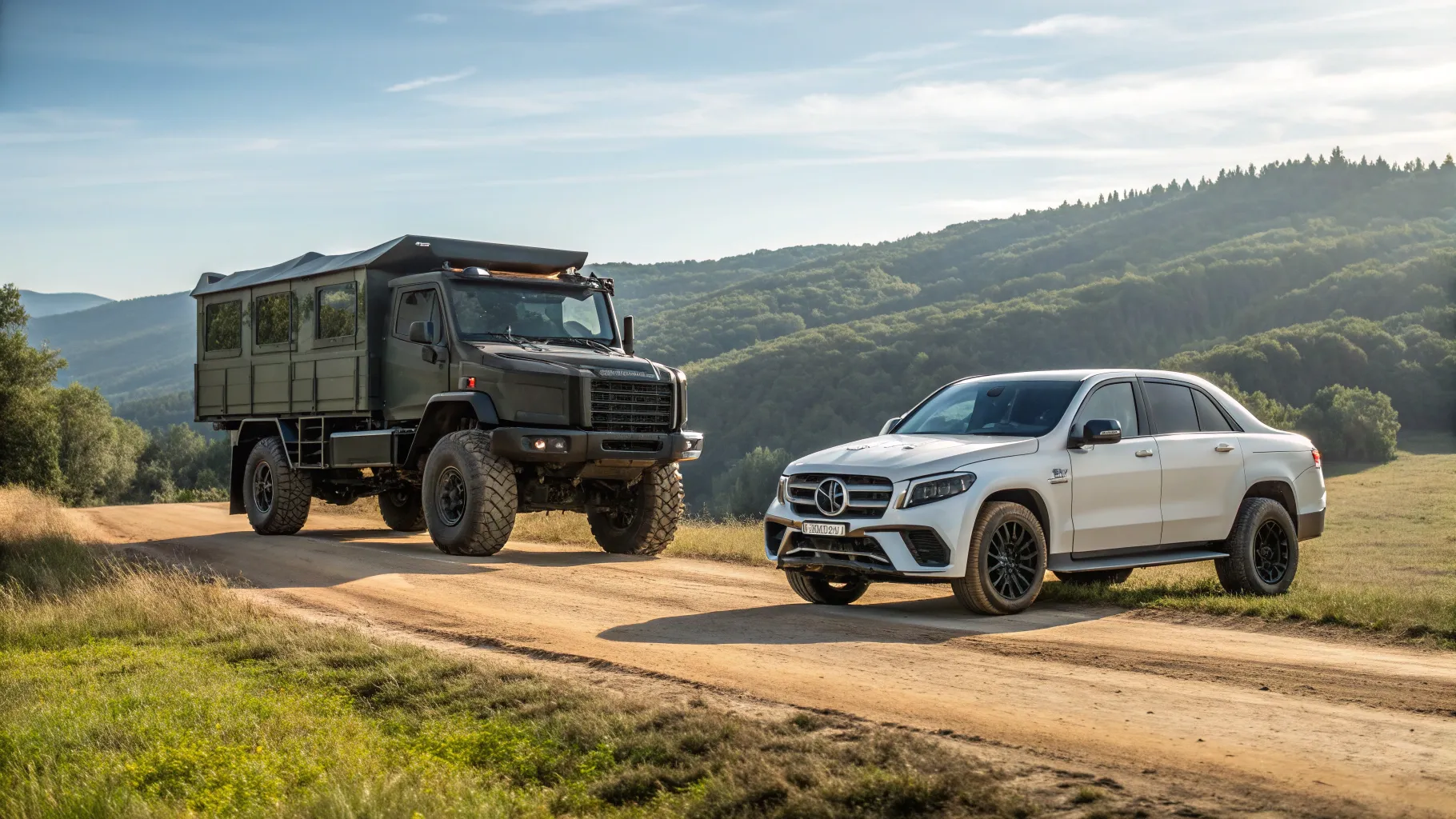
Delving into Military and Civilian Truck Durability
Military trucks are built with the utmost resilience, engineered to withstand extreme environments that range from scorching deserts to frigid tundras. This means that every component, from the chassis to the tires, is selected for strength and durability. Constructed from heavy-duty metals and specialized composite materials, military trucks are designed not just to endure rough handling but to thrive in combat situations where external threats such as blasts or enemy fire can occur.
Conversely, civilian trucks prioritize features that cater to everyday usage. While built to offer reliability, they place a greater emphasis on comfort and fuel efficiency rather than raw durability. Civilian models are typically optimized for urban use and occasional off-road excursions, with less concern for the kind of extreme wear and tear military vehicles regularly face.
Analyzing Costs of Military vs Civilian Trucks
Cost is a significant factor in the ongoing debate about military trucks versus civilian trucks. Military-grade vehicles can command prices that soar above $100,000, reflecting their advanced engineering and materials. In contrast, a civilian truck typically costs between $30,000 and $50,000, making them more accessible to the average consumer.
- Initial Investment: The higher price tag of military trucks is offset by their durability, offering long-term value for agencies that require robust transport solutions.
- Operational Costs: While civilian vehicles are cheaper initially, they may incur higher maintenance costs due to increased frequency of repairs, as daily usage often takes its toll on performance.
Additionally, maintaining military trucks often calls for specialized training and equipment, adding layers to operational costs. In contrast, civilian trucks can be serviced by practically any mechanic, a significant advantage for non-military users.
Exploring Maintenance Protocols
The maintenance regimes for military and civilian trucks starkly differ. Military vehicles undergo rigorous inspections at defined intervals—checking not just standard components but also elements like armor integrity and performance under load. Such thoroughness is non-negotiable, as these trucks can be called into action in critical situations.
On the civilian side, maintenance schedules tend to be less stringent. While mundane tasks such as oil changes and brake checks are essential, they often lack the detail-oriented approach of military inspections. Recent industry studies reveal that civilian trucks may regain their reliability over time due to periodic repairs—but they also risk malfunctioning if deep inspections are neglected.
Pros and Cons of Military vs Civilian Trucks
When discussing military and civilian trucks, understanding the pros and cons requires a context-driven approach. The intended use plays a crucial role in determining which vehicle is more appropriate.
- Military Trucks:
- Pros:
- Unmatched durability and potential lifespan.
- Designed for harsh conditions and heavy payloads.
- Equipped with cutting-edge technology for navigation and communication.
- Cons:
- Significant upfront costs and ongoing maintenance expenses.
- Limited options for civilian usage and availability.
- Pros:
- Civilian Trucks:
- Pros:
- More affordable purchase price and maintenance costs.
- Abundant choices catering to diverse needs.
- Cons:
- Less robust in extreme conditions.
- Potential for greater frequency of repairs over time.
- Pros:
Historical Context of Military Trucks in the Civilian Sphere
Over the years, military trucks have found their way into civilian life, especially after conflicts, often through surplus sales or repurposing efforts. Vehicles like the iconic Humvee have transitioned from battlefield to commercial utility roles, demonstrating their versatility. They are now utilized in various capacities, from emergency response vehicles to recreational overlanding units, signaling their adaptability.
This crossover highlights not only the strong build of military trucks but also a sense of nostalgia that draws both enthusiasts and businesses alike. Such versatility has led to increased interest in military trucks for civilian applications, showcasing their robustness.
Comparing Features of Military and Civilian Trucks
The features embedded in military and civilian trucks illustrate major contrasts tailored to their operating environments. Military vehicles boast essential survival features crucial for combat environments, including:
- Bulletproof armor that provides protection against various threats.
- Advanced tactical navigation systems that enhance maneuvering capabilities.
- Heavy-duty suspensions designed to handle off-road conditions effectively.
In stark contrast, civilian trucks focus on comfort and utility, providing:
- Enhanced seating and infotainment systems that improve the driving experience.
- Fuel-efficient engines designed to minimize operation costs.
- Modern safety technologies such as backup cameras and lane assistance systems.
Fuel Efficiency Insights
Another vital aspect is fuel efficiency, a critical consideration in today’s economic climate. Military trucks generally achieve lower fuel economy, averaging only 8 to 12 miles per gallon due to their heavier construction and intended performance metrics. Civilian trucks, leveraging technological advancements, regularly reach fuel efficiencies exceeding 25 miles per gallon on highways and utilize eco-friendly innovations. This disparity confirms that while military trucks dominate in durability, civilian trucks provide significant economic benefits for daily applications.
Finding the right balance between durability and cost-effectiveness remains essential for any buyer—be it for military agencies, businesses, or everyday consumers making an investment. Understanding these differences can greatly influence the decision-making process and lead to better outcomes.
Authored by FreshLifeWire team